

Table of Contents
Introduction: Why You Feel Tired All the Time
You wake up after a full night’s sleep, yet something feels off. There’s no spark, no excitement—just a lingering heaviness. If you’ve ever wondered why you feel tired all the time, you’re not alone. This isn’t just about sleep—it goes much deeper.
Surprisingly, many people report tiredness as their dominant daily feeling. Not stress. Not sadness. Just tired. However, this kind of fatigue often has less to do with your body and more to do with your mental energy, emotional load, and hidden psychological patterns.

🔹 Is Tiredness an Emotion or Physical State?
At first glance, tiredness seems purely physical. You assume it comes from lack of sleep or long hours. However, when you pause and reflect, you’ll notice that tiredness is something you feel, much like anxiety or frustration. That shifts the perspective entirely.
In reality, tiredness often behaves like an emotion. It reflects your internal state, not just your physical condition. This explains why you can feel exhausted even after rest. Understanding this is key to solving why you feel tired all the time.
🔹 Why You Feel Tired All the Time (Real Reason)
- Most people treat tiredness as a problem to eliminate. However, your brain doesn’t create feelings randomly. Every emotion exists for a reason. Instead of asking how to remove tiredness, ask what it’s trying to tell you.
- Tiredness is often a signal, not a flaw. It reflects perceived overload, stress, or resistance. When you understand this, you begin to see chronic fatigue, low motivation, and mental exhaustion as messages—not weaknesses.
🔹 Your Brain Uses Tiredness as a Warning Signal
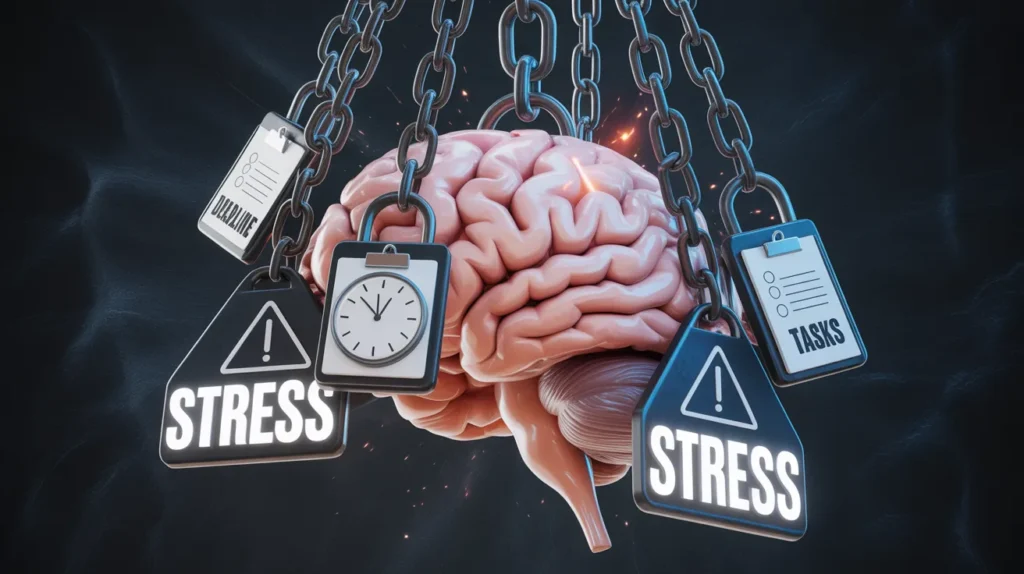
Think of tiredness as your brain’s early warning system. When something feels overwhelming, uncertain, or emotionally draining, your mind steps in. It doesn’t shout—it whispers through fatigue.
For example, you may suddenly feel drained before a difficult task. That’s not random. Your brain is predicting effort and conserving energy. This explains mental fatigue, emotional burnout, and why you feel tired all the time unexpectedly.
| Type of Tiredness | Primary Cause | Solution Strategy |
| Physiological | Lack of sleep/nutrition | Rest and proper fueling |
| Emotional | Stress and relationships | Boundaries and processing |
| Cognitive | High perceived workload | Task fragmentation |
🔹 Sudden Tiredness: Why It Hits Instantly
- Have you ever felt exhausted just seeing a notification or thinking about a task? That sudden drop in energy can feel confusing. After all, you haven’t done anything yet. So why does your body react this way?
- The answer lies in perception. Your brain calculates effort instantly. If something feels too demanding, it triggers tiredness. This explains instant fatigue, emotional drain, and hidden reasons behind why you feel tired all the time.

🔹 The Brain’s Energy-Saving Mechanism
Your brain is wired to protect you. When it detects a task that seems too large or overwhelming, it tries to conserve energy. It does this by lowering your motivation and making you feel tired.
This isn’t laziness—it’s biology. Your brain estimates workload and success probability. If the effort feels high and the reward uncertain, it slows you down. That’s a major reason behind low energy levels and constant tiredness.
🔹 High Workload and Low Motivation Connection
When your brain perceives a task as massive, it automatically reduces your drive. This is because high effort often feels like low success. Your mind prefers efficiency, not struggle.
As a result, you feel tired before even starting. This creates a cycle of avoidance and exhaustion. Understanding this link helps explain lack of motivation, productivity struggles, and why you feel tired all the time in daily life.
🔹 Why Modern Life Makes You Constantly Tired
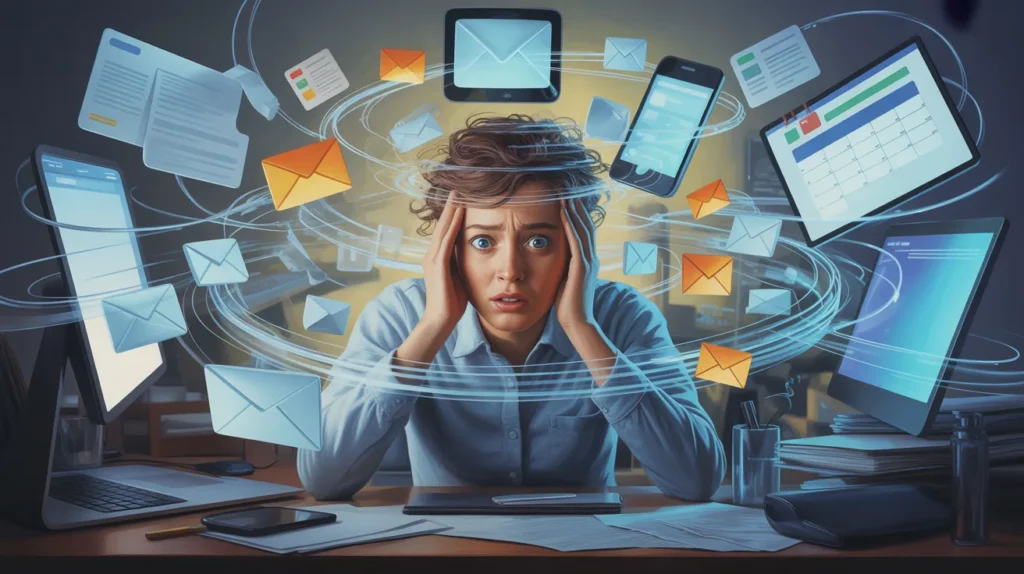
Here’s the real issue—your brain hasn’t evolved for modern tasks. Things like emails, deadlines, or taxes don’t translate well neurologically. Your brain treats them as endless workloads with unclear rewards.
Because of this mismatch, your system stays in a constant state of resistance. This leads to mental overload, decision fatigue, and persistent feelings of tiredness even when physically rested.
🔹 Emotional Tiredness vs Physical Tiredness
Not all tiredness is the same. Physical fatigue comes from exertion, while emotional fatigue comes from stress, relationships, and internal conflict. The tricky part? Emotional tiredness often feels heavier.
You may rest your body but still feel drained. That’s because your mind hasn’t recovered. Recognizing this difference is crucial in solving emotional exhaustion, mental burnout, and why you feel tired all the time.
🔹 How to Understand Your Tiredness
Instead of fighting tiredness, observe it. Notice when it appears and what triggers it. Patterns will start to emerge. You’ll realize it’s not random—it’s situational.
Ask yourself what feels overwhelming in that moment. This awareness helps uncover hidden causes like stress triggers, mental resistance, and deeper reasons behind constant fatigue.
🔹 Ask Yourself These Powerful Questions
When tiredness hits, pause and reflect. Don’t ignore it. Ask simple but powerful questions to uncover the root cause. This shifts you from reaction to understanding.
🔸: Questions That Reveal the Truth
What am I avoiding right now? Why does this feel overwhelming? How would I feel after completing it? These questions expose the real issue behind mental blocks, energy drain, and why you feel tired all the time.
🔹 The Power of Breaking Tasks Into Small Steps
Large tasks overwhelm your brain. Small tasks feel manageable. That’s the secret. When you reduce the perceived workload, your brain stops resisting.
Instead of thinking big, focus small. One step is enough. This reduces task anxiety, improves focus, and helps eliminate the feeling of constant tiredness.
🔹 Why Small Wins Boost Your Energy
Completing small tasks creates momentum. Your brain shifts from resistance to reward. This naturally increases motivation and reduces fatigue.
A huge goal feels exhausting. A tiny step feels achievable. That difference changes everything. This is how you overcome low energy, procrastination, and why you feel tired all the time.
🔹 Emotional Drain in Relationships
Sometimes, tiredness has nothing to do with work. It comes from people. Certain interactions require emotional effort, which your brain anticipates in advance.
This is why even a phone call can feel exhausting. Understanding this helps you manage emotional boundaries, reduce relationship stress, and protect your mental energy.
🔹 Final Insight: What Tiredness Really Means
Tiredness isn’t just about sleep—it’s a signal. It tells you something feels overwhelming, unclear, or emotionally heavy. Once you understand that, everything changes.
Instead of fighting tiredness, listen to it. Break things down. Simplify the task. That’s how you finally solve the mystery of why you feel tired all the time—and regain your energy naturally.
Why do I feel tired all the time even after sleeping?
Because tiredness is often mental, not physical. Your brain may perceive stress, overload, or emotional strain, causing fatigue despite proper rest.
Is tiredness a mental or physical problem?
It can be both. However, chronic tiredness is often linked to mental and emotional factors like stress, anxiety, and overwhelming tasks.
How can I stop feeling tired all the time?
Start by identifying triggers, breaking tasks into smaller steps, and managing emotional stress. Addressing the root cause is key.
Can overthinking cause tiredness?
Yes. Overthinking increases mental workload, which can drain your energy and make you feel constantly tired.
1 thought on “Why You Feel Tired All the Time (Even After Sleeping) – The Hidden Truth”