
Table of Contents
Introduction
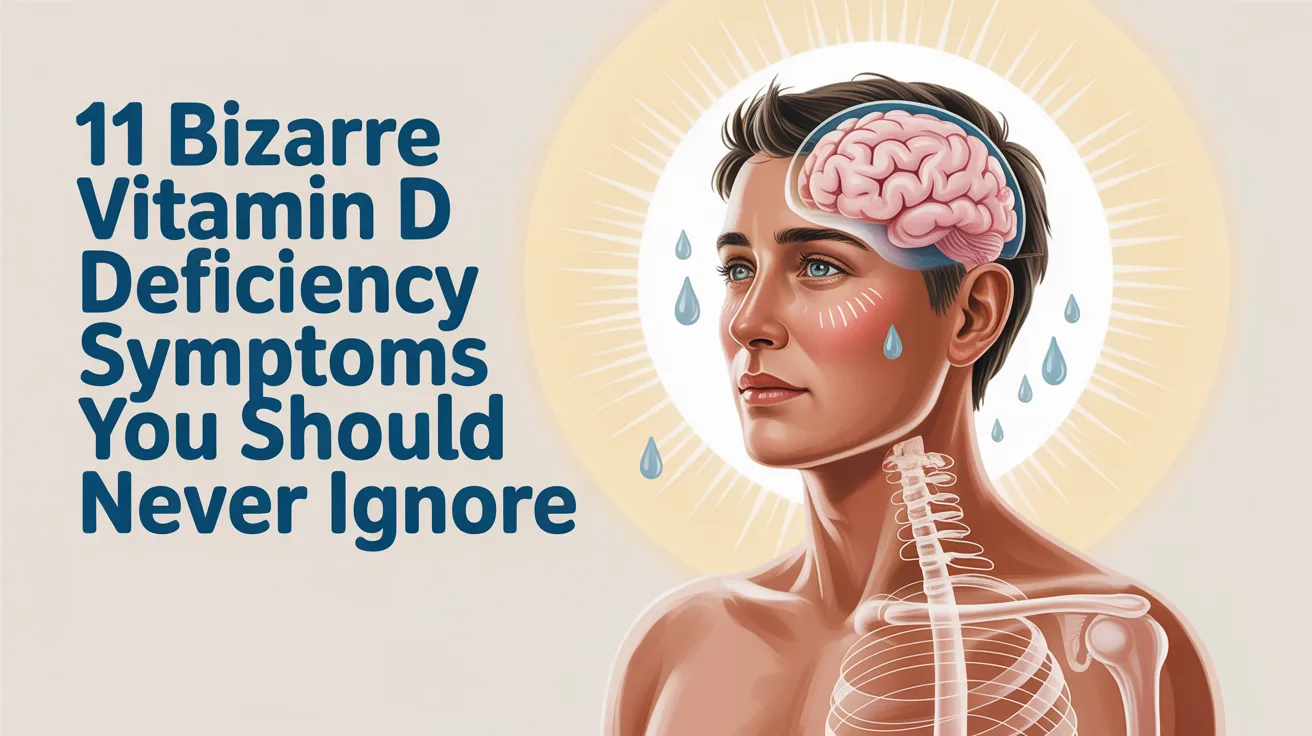
Most people think vitamin D deficiency symptoms are simple, like tiredness or weak bones. However, the reality is far more unusual and often overlooked. Your body sends strange signals when vitamin D drops, and many people misread them as stress or lifestyle issues.
Here’s the truth. Vitamin D influences thousands of genes in your body. It also plays a role in mood, immunity, muscles, and even brain function. So when levels fall, your body doesn’t stay quiet—it speaks through bizarre symptoms you should never ignore.
1. Head Sweating Without Reason
- One of the strangest vitamin D deficiency symptoms is excessive sweating from the head. It often appears even when the rest of the body feels normal. This happens because vitamin D influences your nervous system and temperature regulation.
- Your body struggles to balance heat properly. As a result, your scalp becomes overly active. If you notice persistent head sweating, especially in calm environments, your body may be signaling a hidden deficiency.

2. Night Sweating in Cool Rooms
Waking up drenched at night can feel confusing. You may even think your bedding is the problem. However, this is one of the overlooked vitamin D deficiency symptoms linked to immune and hormonal imbalance.
When vitamin D is low, your body may overreact internally. This creates false “heat signals” that trigger sweating even in a cool room. It’s your internal system misfiring silently.
3. Sudden Mood Swings
Mood changes that feel unpredictable can be deeply frustrating. One moment you feel fine, the next you feel irritated or low. These emotional shifts are strongly connected to vitamin D deficiency symptoms affecting brain chemistry.
Vitamin D supports serotonin regulation. When it drops, emotional stability weakens. This leads to mood swings that feel like a rollercoaster without clear triggers.

4. Low Motivation and Procrastination
Feeling stuck and unmotivated is not always laziness. It can be a hidden sign of vitamin D deficiency symptoms affecting dopamine pathways in your brain.
Dopamine controls reward and motivation. Without enough vitamin D, this system slows down. Tasks feel heavier than usual, and even simple goals seem difficult to start.
5. Panic Attacks and Sudden Anxiety
Unexpected fear or panic without reason can be alarming. While anxiety has many causes, it is also linked to vitamin D deficiency symptoms that affect brain signaling.
Low vitamin D may disturb serotonin balance and increase stress sensitivity. As a result, your brain becomes more reactive, turning small triggers into overwhelming fear responses.

6. Deep Bone Achiness (Hips, Back, Legs)
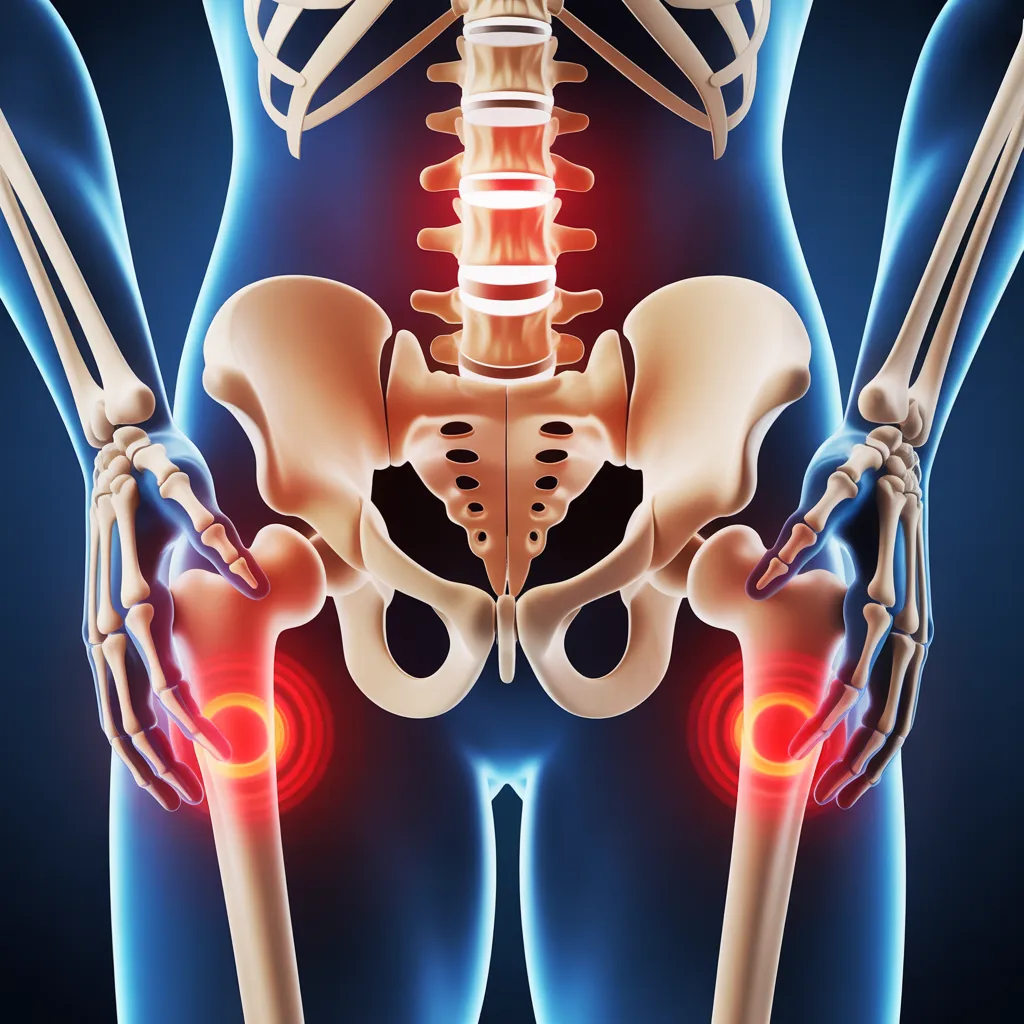
- This is not sharp pain—it feels deep and dull. Many people ignore it at first. However, this is one of the strongest vitamin D deficiency symptoms related to bone weakening.
- Vitamin D helps your body absorb calcium. Without it, bones lose strength from the inside. This creates a constant aching sensation, especially in weight-bearing areas like hips and lower back.
7. Muscle Weakness and Reduced Strength
Struggling with physical strength can be frustrating. Carrying light objects or climbing stairs may feel harder than usual. This is another key sign of vitamin D deficiency symptoms affecting muscle function.
Vitamin D helps muscles contract properly by regulating calcium. Without it, muscles lose efficiency, leading to weakness and fatigue during normal activities.
8. Joint Stiffness in Knees and Fingers
Stiff joints in the morning or after rest are often ignored. However, this is a common part of vitamin D deficiency symptoms linked to inflammation and cartilage health.
Vitamin D helps maintain joint flexibility. When levels drop, joints become tight and less mobile, making movement feel restricted and uncomfortable.

9. Constant Fatigue That Doesn’t Improve
Even after a full night’s sleep, you may still feel tired. This is one of the most common vitamin D deficiency symptoms affecting cellular energy production.
Vitamin D supports mitochondria, the energy centers of your cells. When it is low, your body struggles to produce energy efficiently, leading to ongoing exhaustion.
10. Mental Fog and Slow Thinking
If your thinking feels slow or unclear, it may not be just stress. This is another subtle sign of vitamin D deficiency symptoms affecting brain processing speed.
Low vitamin D reduces efficiency in brain communication. As a result, focus declines, memory feels weak, and decision-making becomes slower than usual.
11. Constant Hunger and Lack of Satisfaction
Feeling hungry even after eating is confusing. This can be one of the overlooked vitamin D deficiency symptoms linked to hormone imbalance.
Vitamin D affects leptin and insulin, which control fullness signals. When disrupted, your brain fails to register satisfaction properly, leading to overeating or frequent cravings.
Quick Overview Table of Vitamin D Deficiency Symptoms
| Symptom | What It Feels Like | Hidden Cause |
|---|---|---|
| Head Sweating | Sweaty scalp without heat | Nervous system imbalance |
| Night Sweating | Waking up drenched | False internal heat signals |
| Mood Swings | Sudden emotional changes | Serotonin disruption |
| Low Motivation | Lack of drive | Dopamine slowdown |
| Anxiety/Panic | Sudden fear episodes | Stress sensitivity increases. |
| Bone Aching | Deep dull pain | Poor calcium absorption |
| Muscle Weakness | Reduced strength | Impaired muscle function |
| Joint Stiffness | Tight knees/fingers | Increased inflammation |
| Constant Fatigue | Always tired | Low cellular energy |
| Mental Fog | Slow thinking | Reduced brain efficiency |
| Constant Hunger | Never feel full | Hormonal imbalance |
How to Restore Balance and Feel Energized Again
Now here’s the turning point. If multiple vitamin D deficiency symptoms feel familiar, it’s time to act. Start small. Get sunlight exposure daily. Include foods rich in vitamin D. For example, eggs, fatty fish, and fortified products can help restore levels naturally.
However, consistency is key. Think of it like refilling a drained battery. Gradual improvements bring lasting energy. Addressing these body warning signals early can prevent long-term health issues and help you feel like yourself again.
How can I prevent vitamin D deficiency?
Making sure you’re getting enough vitamin D via your diet and/or sun exposure is the greatest approach to avoid vitamin D deficiency. However, avoid spending too much time in the sun without wearing sunscreen. You are more likely to develop skin cancer if you spend too much time in the sun.
Your age determines how much vitamin D you require each day. The recommended daily levels are provided below in International Units (IU) and micrograms (mcg).
| Age / Life Stage | Recommended Amount |
|---|---|
| Infants up to 12 months old | 10 mcg (400 IU) |
| People 1 to 70 years old | 15 mcg (600 IU) |
| Adults 71 years and older | 20 mcg (800 IU) |
| Pregnant and breastfeeding women | 15 mcg (600 IU) |
Conclusion
These unusual vitamin D deficiency symptoms show how deeply vitamin D affects your entire body. From mood and energy to muscles and digestion, its influence is wide and powerful.
If you notice several of these signs, it may be worth checking your vitamin D levels. Simple lifestyle changes like sunlight exposure, balanced diet, and proper supplementation can help restore your health and energy over time.
1. What are the most common vitamin D deficiency symptoms?
The most common vitamin D deficiency symptoms include fatigue, bone pain, muscle weakness, mood changes, and frequent illness. Many people also experience low energy and joint stiffness without realizing vitamin D is the underlying cause affecting overall body function.
2. Can vitamin D deficiency cause anxiety or panic attacks?
Yes, low vitamin D levels may contribute to anxiety and panic attacks. It can affect brain chemicals like serotonin and stress hormones. While not the only cause, vitamin D deficiency symptoms often include mood instability and heightened fear responses.
3. Why does vitamin D deficiency cause fatigue?
Vitamin D supports mitochondrial function, which produces energy in cells. When levels are low, energy production drops. This leads to chronic tiredness, weakness, and low stamina, making fatigue one of the most common vitamin D deficiency symptoms.
4. Can vitamin D deficiency affect sleep?
Yes, vitamin D plays a role in sleep regulation. Low levels may cause poor sleep quality, night sweating, and difficulty staying asleep. These disturbances are often overlooked but are important vitamin D deficiency symptoms.
5. How long does it take to fix vitamin D deficiency?
It depends on severity, diet, sun exposure, and supplementation. Many people notice improvement within a few weeks, but full recovery can take 2–3 months with consistent vitamin D intake and lifestyle changes.