
Table of Contents
Introduction to Emotional Biology
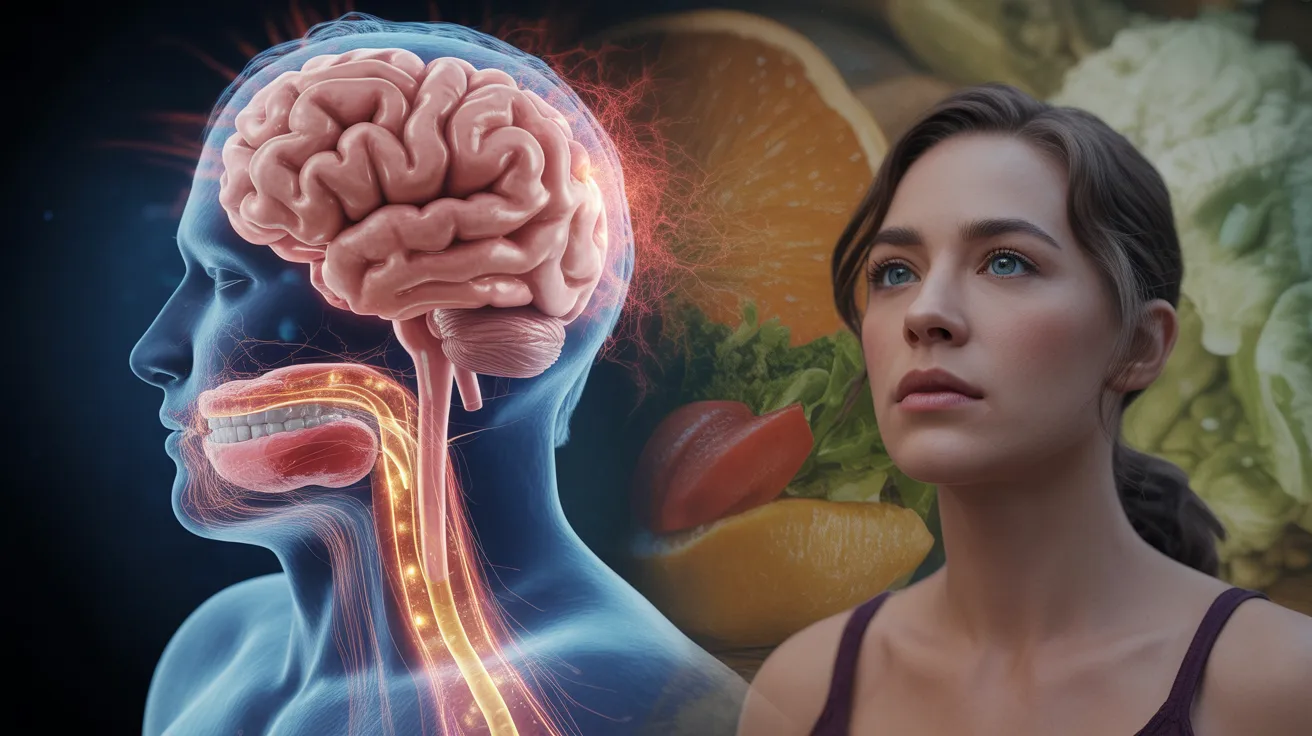
What if your mood isn’t random at all? What if it’s quietly controlled by what you ate a few hours ago? That idea sounds extreme. However, modern science shows your food controls your emotions connection is far more powerful than most people realize.
Your brain doesn’t operate in isolation. It constantly communicates with your body through hormones, nerves, and chemical messengers. This intricate brain-body connection means every bite you take can subtly shift your mood, energy, and mental clarity throughout the day.
Understanding Emotions at Their Core
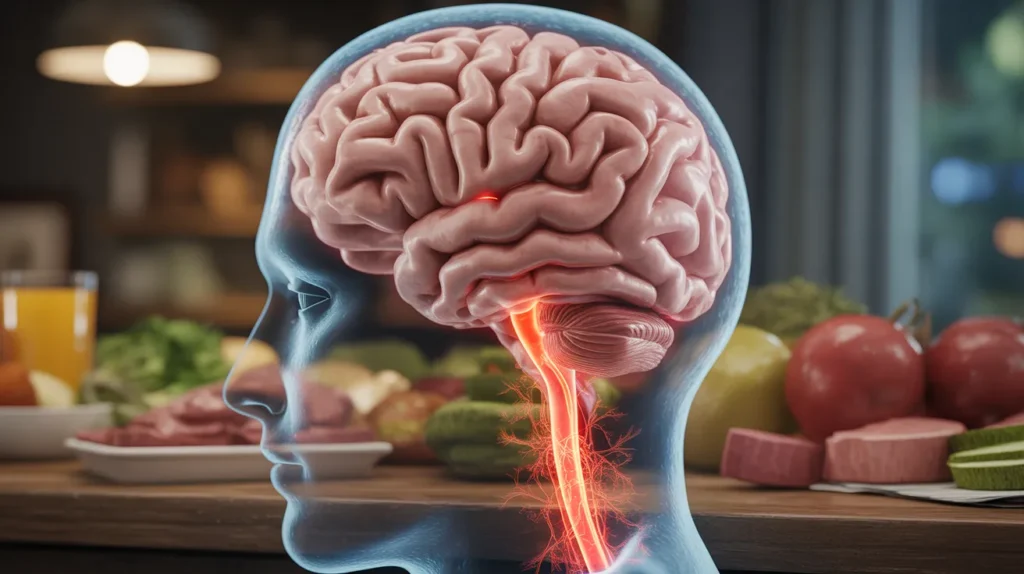
Emotions feel abstract. Yet biologically, they are highly structured processes. Your brain collects information from your body, environment, and past experiences, then converts it into feelings. This is the foundation of the neurobiology of emotions.
For example, anxiety isn’t just a thought. It involves increased heart rate, hormone release, and gut activity. These layers combine into one experience. Developing emotional awareness allows you to recognize these signals instead of feeling controlled by them.
Are Emotions Good or Bad?
Here’s a perspective shift—no emotion is inherently bad. Anger can protect you. Fear can save you. Even sadness can guide reflection. These responses exist as adaptive mechanisms designed to keep you functioning and safe in complex environments.
The Science of Attraction vs Aversion
Your brain constantly runs a simple but powerful program: move toward or move away. This mechanism, called approach-avoidance behavior, shapes your habits, cravings, and daily decisions without conscious effort.
Think about your favorite food. You lean toward it. Now imagine a spoiled meal. You instantly recoil. These automatic reactions are driven by sensory processing systems that evolved to protect you and optimize survival outcomes.

The Brain’s Go / No-Go System
Deep inside your brain, two competing circuits guide your actions. The “go” system pushes you toward rewards. The “no-go” system applies brakes when necessary. Together, they form your behavioral control system.
When balanced, you act with intention. When disrupted, impulsive behaviors increase. Overeating, procrastination, and emotional reactions often stem from poor inhibitory control, not lack of discipline.
Why This System Shapes Your Habits
Every decision you make passes through this internal filter. Strengthening your cognitive flexibility helps you pause, evaluate, and choose better outcomes rather than reacting automatically to cravings or emotional triggers.
The Vagus Nerve: Your Emotional Control Switch
- Imagine a highway connecting your brain and body. That’s your vagus nerve. It regulates digestion, heart rate, and emotional responses. This makes it central to your parasympathetic nervous system.
- When your vagus nerve functions well, you feel calm and grounded. Poor function leads to stress and anxiety. Improving vagal tone through breathing, cold exposure, or mindfulness can rapidly shift your emotional state.
Sugar, Gut Sensors & Emotional Cravings
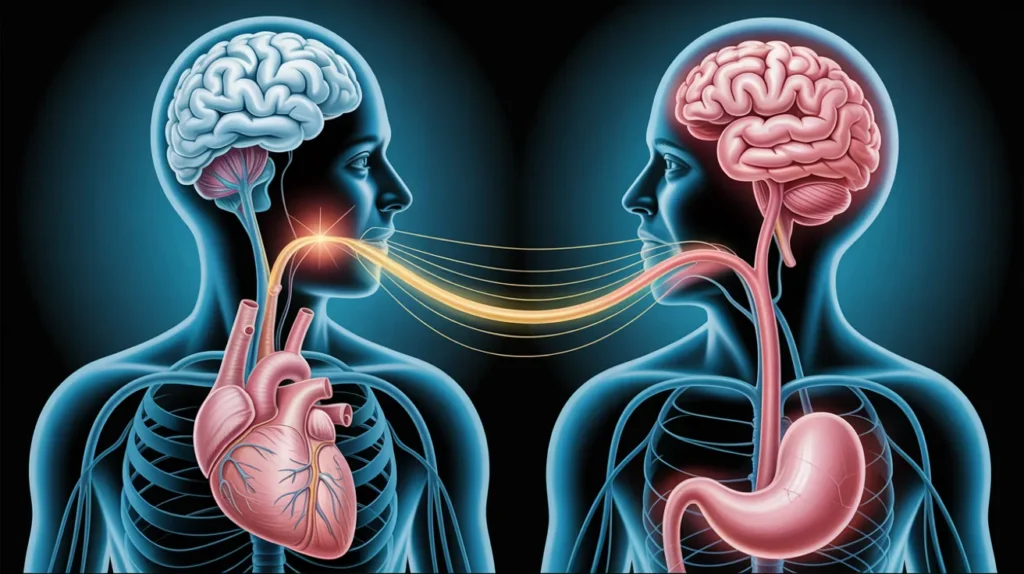
Cravings aren’t about weakness. They’re biological signals. Your gut contains nutrient sensors that communicate directly with your brain. This system heavily influences dopamine signaling and reward behavior.
When you consume sugar, your brain receives a strong reward signal. Over time, this builds a feedback loop. These gut-brain interactions can override logic, making cravings feel almost impossible to resist.
Hidden Sugars and Behavioral Traps
Many processed foods contain hidden sugars—even savory ones. This manipulates your brain subtly. Learning to identify hidden ingredients helps you regain control over your eating patterns and emotional responses.
Dopamine: The Drive Behind Desire
Dopamine is often misunderstood. It doesn’t create happiness—it creates motivation. It pushes you to pursue goals, rewards, and experiences. This makes dopamine regulation critical for productivity and emotional energy.
Low dopamine leads to fatigue and lack of interest. Excessive spikes can cause addiction cycles. Managing this reward pathway through diet, sleep, and habits is key to emotional balance.
L-Tyrosine and Natural Dopamine Support
Your body produces dopamine using nutrients, especially L-tyrosine. This amino acid acts as a building block for important brain chemicals. Including protein-rich foods supports this natural process.
Foods like eggs, fish, and legumes enhance neurotransmitter production. However, balance is essential. Too much stimulation can lead to burnout, while too little reduces focus and motivation.
When Dopamine Deficiency Becomes Serious
In extreme cases, low dopamine contributes to neurological conditions. This highlights how vital brain chemistry balance is for both mental and physical functioning in everyday life.
Serotonin: Your Internal Stabilizer
If dopamine drives action, serotonin creates peace. It regulates mood, sleep, and satisfaction. This makes serotonin balance essential for long-term emotional stability.
Interestingly, most serotonin is produced in your gut. This explains why digestive health directly affects mood. Supporting your gut improves emotional resilience and mental clarity simultaneously.

Food Timing and Emotional Rhythms
Your body runs on internal clocks. When you eat affects how you feel. Meal timing influences hormones, energy levels, and focus. This is part of your circadian biology.
Eating protein in the morning boosts alertness. Balanced meals later support relaxation. Aligning meals with your rhythm improves mood stability without relying on caffeine or sugar spikes.
Omega-3 vs Omega-6 Balance
Modern diets are overloaded with omega-6 fats. This imbalance increases inflammation. Increasing omega-3 fatty acids supports brain health and reduces emotional instability over time.
Gut Microbiome: The Hidden Mood Regulator
Inside your gut lives a complex ecosystem of bacteria. These microbes influence mood, cravings, and cognition. This system, called the gut microbiome, acts like a second brain.
A balanced microbiome improves digestion and emotional health. Poor balance leads to brain fog and fatigue. Supporting gut diversity is one of the most overlooked strategies for improving mood.
Probiotics, Fermented Foods & Mental Clarity
Not all probiotics are equal. Overloading can backfire. Natural sources like yogurt, kefir, and kimchi provide balanced support for beneficial bacteria.
Fermented foods improve gut diversity and support digestion. These natural probiotics also enhance mood and immune function, making them a powerful daily addition.
Artificial Sweeteners and Gut Disruption
Some research suggests artificial sweeteners negatively impact gut bacteria. This disruption may affect mood and metabolism. Limiting synthetic sweeteners supports a healthier emotional baseline.
Personalized Nutrition: The Missing Piece
There is no universal perfect diet. Your genetics, lifestyle, and microbiome shape how food controls your emotions. This is why personalized nutrition is essential for long-term success.
Tracking your reactions to foods builds self-awareness. Over time, you’ll discover what fuels your energy, focus, and emotional stability most effectively.
Mindset, Beliefs & the Placebo Effect
Your thoughts influence your biology more than you think. Beliefs about food can alter hormone responses and hunger signals. This is known as the mind-body connection.
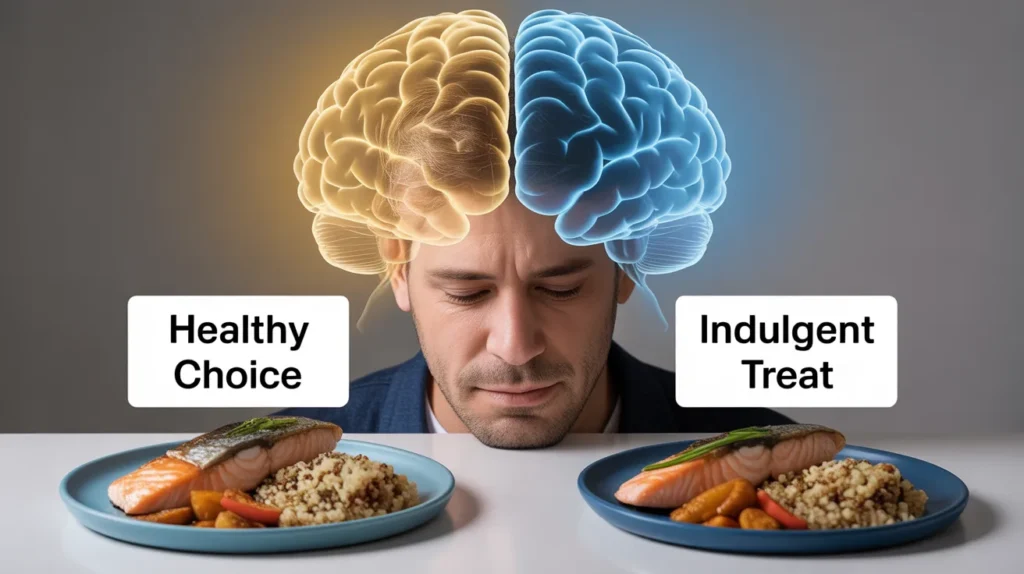
For example, thinking a meal is indulgent can increase satisfaction. This shows how cognitive influence shapes physical experiences in powerful and measurable ways.
The Famous Milkshake Experiment
Participants consumed identical shakes labeled differently. Hormonal responses changed based on belief alone. This experiment proves your brain actively shapes your body’s reactions—even when reality stays the same.
Practical Steps to Improve Food and Emotions
Now comes the actionable part. You don’t need extreme changes. Small adjustments create powerful results. Focus on consistency over perfection.
Start with simple habits. Eat whole foods. Prioritize protein. Reduce sugar spikes. These steps improve metabolic health and stabilize your emotional patterns over time.
🔸 Quick Daily Checklist
- Eat protein-rich breakfast
- Limit processed sugar
- Include fermented foods
- Stay hydrated
- Maintain consistent meal timing
These habits strengthen your emotional regulation system naturally without relying on willpower alone.
🔹 Conclusion: Take Control of Your Emotional Biology
Your emotions are not random. They are biological signals shaped by your habits. When you understand the connection between food and your emotions, you gain real control over your mental state.
Start small but stay consistent. Adjust your diet. Observe your mood. Build awareness. Over time, these changes compound into powerful results, giving you clarity, energy, and emotional stability.
How does food affect emotions?
Food affects emotions by influencing brain chemicals like dopamine and serotonin. These neurotransmitters control mood, motivation, and emotional balance, while gut health also sends signals to the brain that shape how you feel daily.
What foods improve mood naturally?
Foods rich in protein, omega-3 fatty acids, fermented products, and whole grains help stabilize mood. These support dopamine regulation and serotonin balance, which improve emotional stability and reduce stress.
Can sugar change your mood?
Yes, sugar can cause quick spikes in energy followed by crashes. This affects blood sugar stability and may lead to irritability, fatigue, and emotional swings over time.
What is the gut-brain connection?
The gut-brain connection is the communication system between your digestive system and brain. It uses nerves, hormones, and gut bacteria to influence mood, behavior, and mental clarity.