
Introduction: The Shocking Truth About Electrolytes
You’ve probably seen those bright electrolyte drinks and wondered if they’re actually healthy. Here’s the twist—they often do more harm than good. Most people misunderstand electrolytes and salt, confuse hydration myths, and overload on hidden sodium without realizing the long-term consequences.
Here’s where it gets interesting. Your body already knows how to balance minerals naturally. However, modern diets interfere with this delicate system. Understanding electrolytes correctly can transform your energy, improve health, and prevent silent damage happening beneath the surface.
What Are Electrolytes and Why Do They Matter?
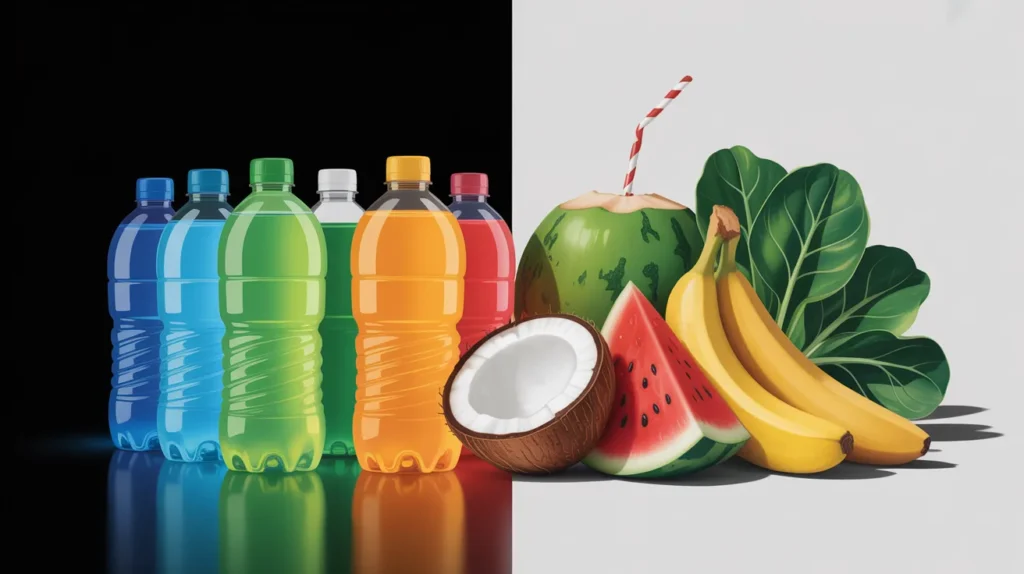
Electrolytes sound complicated, but they’re simply minerals carrying an electrical charge. Think of them as your body’s internal wiring system. Key players include sodium balance, potassium levels, and mineral regulation, all working together to control hydration and muscle function.
However, most people assume they need more electrolytes than they actually do. That’s the trap. When your diet is natural and balanced, your body maintains perfect equilibrium without artificial drinks or supplements interfering with its finely tuned biological intelligence.
Electrolyte Drinks: Smart Choice or Clever Marketing?
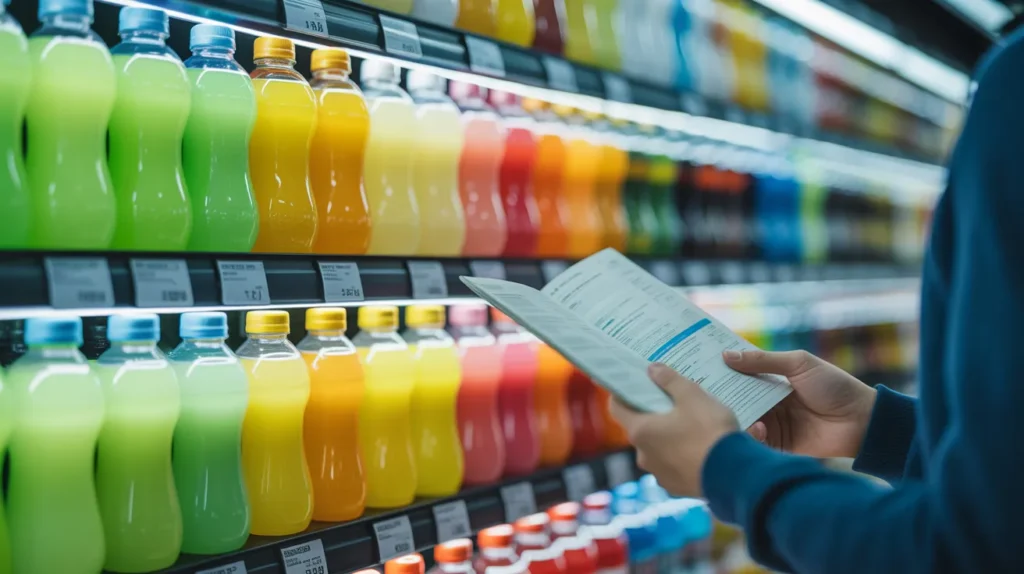
Walk into any store and you’ll see flashy bottles promising instant energy. It looks convincing. However, these drinks are often loaded with artificial coloring, excess sodium, and synthetic additives designed more for profit than health.
Here’s the reality. Athletes might benefit in extreme conditions, but for everyday people, these drinks are unnecessary. In fact, they can disrupt your body’s natural balance and contribute to long-term health issues instead of improving performance.
Do You Really Need Electrolyte Drinks?
Let’s clear this up—most people do not need electrolyte drinks. Your body is incredibly efficient at maintaining balance through food. When you rely on natural hydration, whole foods, and nutrient density, your electrolyte needs are already covered.
Interestingly, the more processed your diet becomes, the more dependent you feel on quick fixes. That dependency isn’t real energy—it’s a cycle created by poor nutrition and temporary stimulation, not genuine physiological need.
The Hidden Dangers of a High-Salt Diet
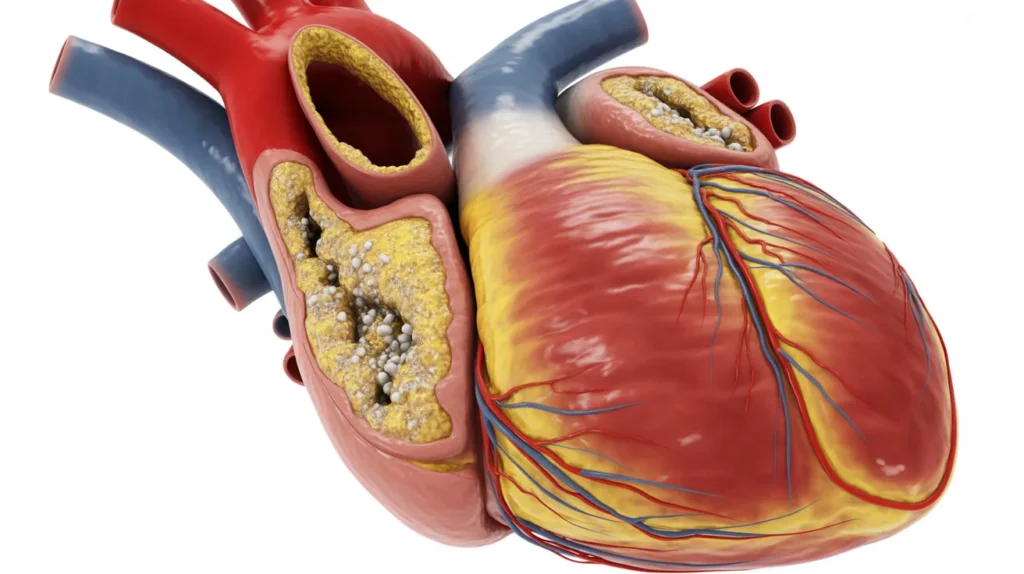
Salt isn’t just about taste—it quietly impacts your entire body. Excess sodium can damage blood vessels, increase blood pressure, and even contribute to cognitive decline, vascular damage, and chronic inflammation over time.
What’s alarming is how invisible this problem is. You won’t feel it immediately. However, years of high salt intake can lead to serious conditions like stroke and heart disease, making it one of the most underestimated dietary risks today.
How Salt Affects Your Brain and Blood Vessels
Here’s something most people never consider. High salt intake doesn’t just affect your heart—it also impacts your brain. Studies suggest links between excess sodium and neurodegeneration, reduced circulation, and memory impairment.
Over time, this can increase the risk of serious neurological conditions. Your brain relies on stable blood flow. When salt disrupts that balance, it quietly chips away at cognitive function without obvious early warning signs.
Low-Salt Diet: What Actually Happens to Your Body
Now flip the perspective. When you consume less salt, your body adapts remarkably fast. Sweat becomes less salty, hydration improves, and your system functions more efficiently using natural electrolytes and salt, cellular hydration, and biological balance.
Surprisingly, energy levels often stabilize as well. That’s because your body isn’t constantly trying to correct imbalances. Instead, it operates smoothly, using internal mechanisms that have evolved to work best with lower sodium intake.
Why Most People Misinterpret Nutrition Research
Here’s where things get confusing. Many people promote high-salt diets based on selective studies. However, not all research is equal. True science looks at meta-analysis, long-term data, and evidence quality, not isolated findings.
Unfortunately, marketing often cherry-picks results to support products. That’s why it’s crucial to rely on comprehensive evidence rather than headlines. Understanding context makes the difference between smart decisions and costly mistakes.
How Much Sodium Do You Actually Need?
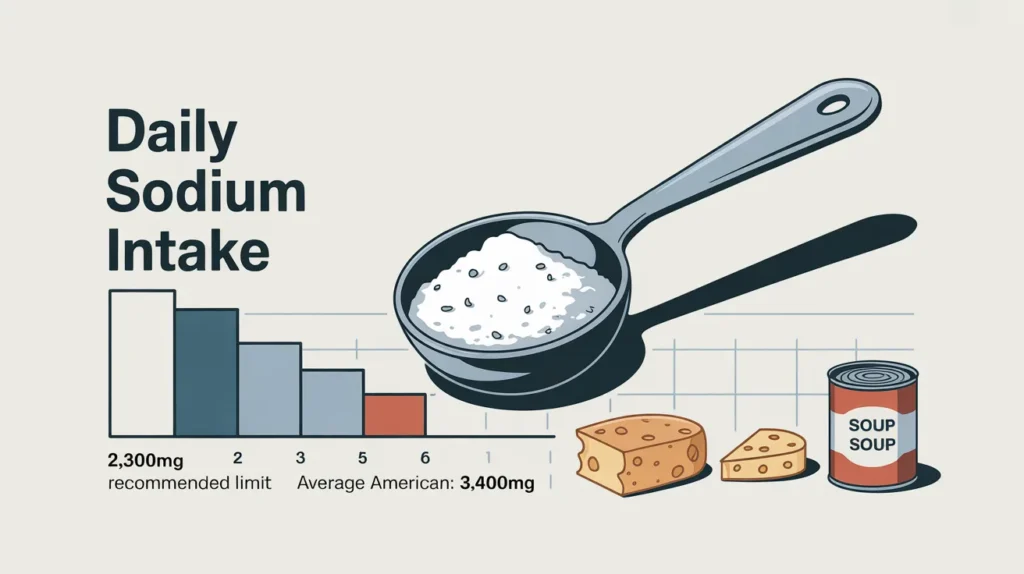
You might be surprised by this. Most people need far less sodium than they consume daily. Experts suggest staying below 1000 mg, with optimal ranges around low sodium intake, dietary guidelines, and health optimization levels.
The problem isn’t the salt shaker—it’s processed food. Packaged meals, restaurant dishes, and snacks are loaded with hidden sodium, making it easy to exceed healthy limits without even noticing.
Processed Foods: The Real Source of Excess Salt
Think you don’t eat much salt? Think again. The majority of sodium comes from processed foods, packaged snacks, and restaurant meals, not what you add at home.
This is where things spiral. These foods are engineered to taste addictive, pushing you to consume more. Over time, your taste buds adapt, making natural food seem bland—until you reset them by cutting back on excess sodium.
Can Food Replace Electrolyte Supplements?
Absolutely—and this is where real health begins. Whole foods provide everything your body needs. Vegetables, fruits, and legumes deliver natural minerals, plant-based nutrition, and bioavailable nutrients in perfect balance.
Unlike supplements, food works synergistically. That means nutrients enhance each other’s absorption. You’re not just getting electrolytes—you’re getting a complete package designed by nature for optimal human function.
Magnesium and Potassium: The Natural Way
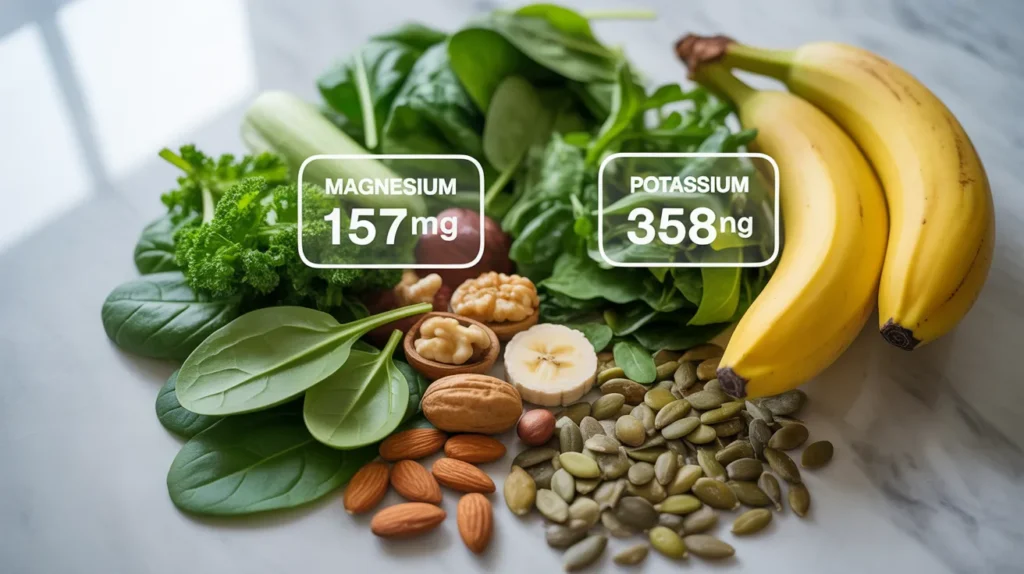
Instead of pills, focus on foods rich in magnesium and potassium. Leafy greens, beans, and seeds are powerful sources of essential minerals, cell function support, and muscle regulation.
Supplements only help in deficiency cases. Otherwise, they’re unnecessary. In fact, some forms like magnesium citrate can act as laxatives, which shows how easily supplementation can disrupt normal body processes.
Why You Feel Tired: It’s Not What You Think
Here’s a surprising truth. Many people think food gives them energy. In reality, fatigue often comes from withdrawal after eating unhealthy foods. Your body reacts to blood sugar crashes, toxic buildup, and metabolic stress.
That “energy boost” after eating? It’s temporary. True energy comes from cellular health, not constant stimulation. When your diet improves, your energy becomes steady and sustainable without artificial boosts.
Detoxification: Your Body Already Knows What to Do
You don’t need fancy detox products. Your body has a built-in system. The liver works between meals to eliminate toxins using natural detoxification, metabolic processes, and cellular repair mechanisms.
However, constant eating interrupts this process. Giving your body breaks between meals allows it to reset and repair. This is one of the simplest yet most powerful ways to improve overall health naturally.
The Four Key Factors That Determine Your Health
Health isn’t random—it’s predictable. Four major factors shape your well-being: nutrient density, toxic exposure, body fat percentage, and insulin sensitivity.
When these are optimized, everything improves—energy, immunity, and longevity. Ignore them, and problems slowly build. The good news? Every one of these factors is directly influenced by your daily lifestyle choices.
Diet vs. Exercise: What Matters More?
You’ve heard it before, but it’s worth repeating. You cannot out-exercise a poor diet. While movement is important, weight and health are primarily driven by nutrition quality, calorie balance, and metabolic health.
Exercise supports your body. Diet transforms it. When both work together, results accelerate. However, if your diet is poor, even intense workouts won’t fully protect you from long-term health issues.
Final Thoughts: Do You Really Need Electrolytes?
Let’s bring it all together. Most people don’t need electrolyte drinks. A natural, whole-food diet already provides everything required for optimal hydration, mineral balance, and sustainable energy.
Instead of chasing quick fixes, focus on fundamentals. Eat real food, reduce salt, and trust your body’s intelligence. When you do that, your energy improves, your health stabilizes, and everything starts working the way it should.
1. Do I need electrolyte drinks daily?
No. Most people get enough electrolytes from a balanced diet.
2. What is the best natural source of electrolytes?
Fruits, vegetables, beans, and seeds are excellent sources.
3. Can too much salt be harmful?
Yes. It can increase blood pressure and damage blood vessels.
4. Why do I feel tired after eating?
It’s often due to poor food choices causing blood sugar fluctuations.
5. Are supplements necessary for electrolytes?
Only in deficiency cases. Whole foods are usually enough.