
Table of Contents
Introduction to Walking Barefoot
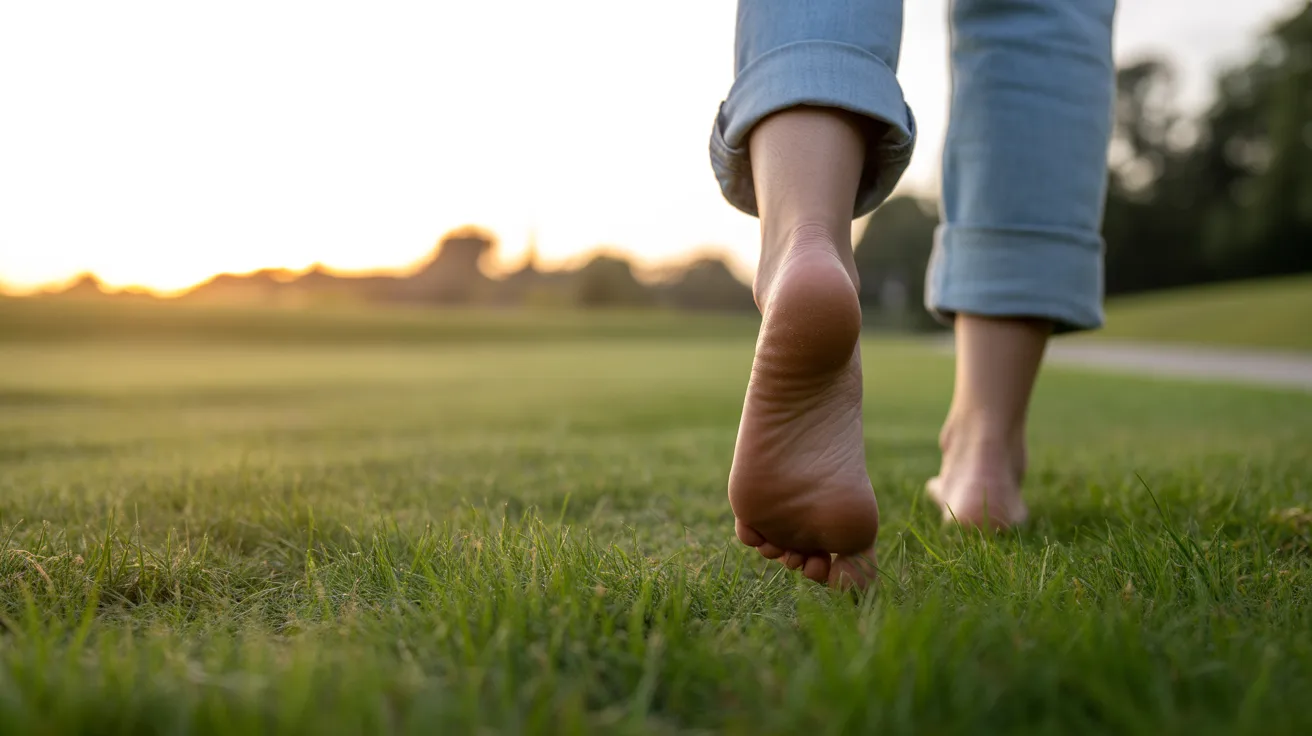
- Your feet are engineering marvels. They carry your entire body yet rarely get the attention they deserve. When you embrace the benefits of walking barefoot, you unlock natural movement patterns your body was designed for. However, modern shoes slowly disconnect you from this built-in efficiency.
- Think about it. You spend most of your life in shoes that restrict motion and dull sensation. Over time, this weakens your foundation. Exploring the benefits of walking barefoot helps restore strength, balance, and a deeper connection between your body and the ground beneath you.
Problems With Wearing Shoes
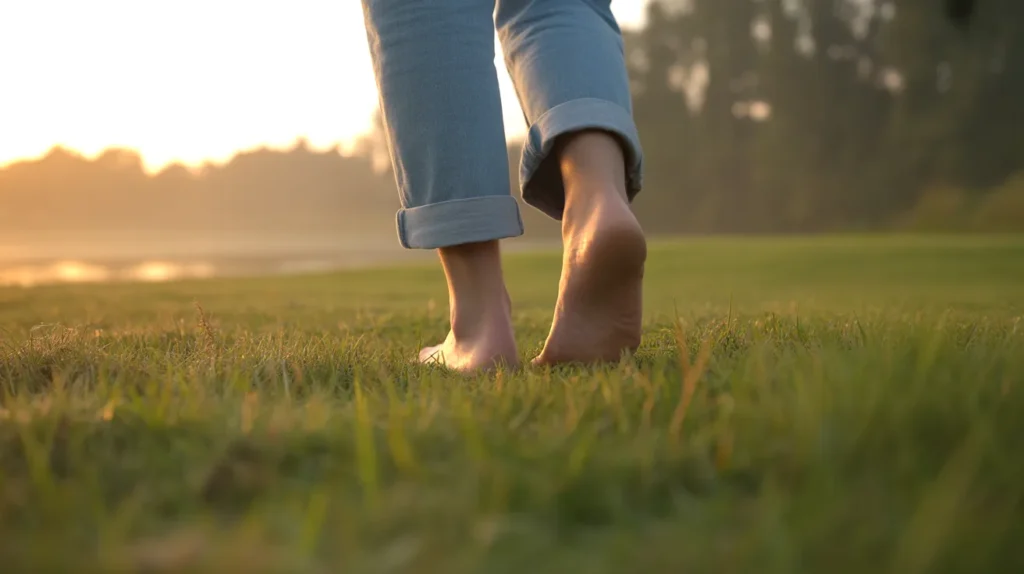
Most shoes look stylish but quietly damage your feet. Tight designs compress your toes and limit natural spreading. This often leads to foot deformities, poor posture, and reduced muscle activation. Over time, your feet become dependent on artificial support.
Even worse, cushioned soles block sensory feedback from the ground. Your brain loses important signals needed for balance and coordination. This disconnect increases the risk of knee pain, ankle injuries, and even lower back discomfort.
Structure of the Foot
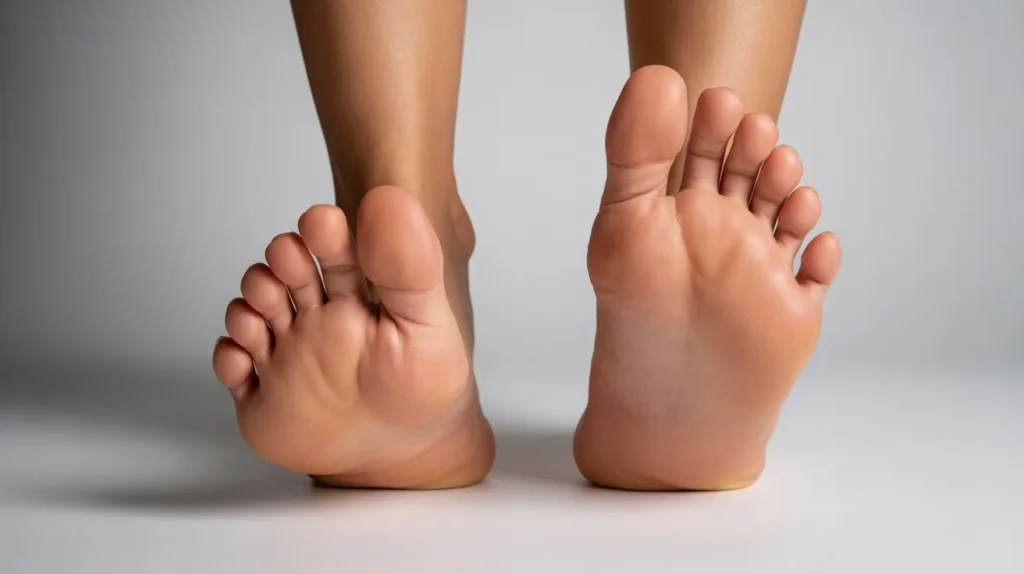
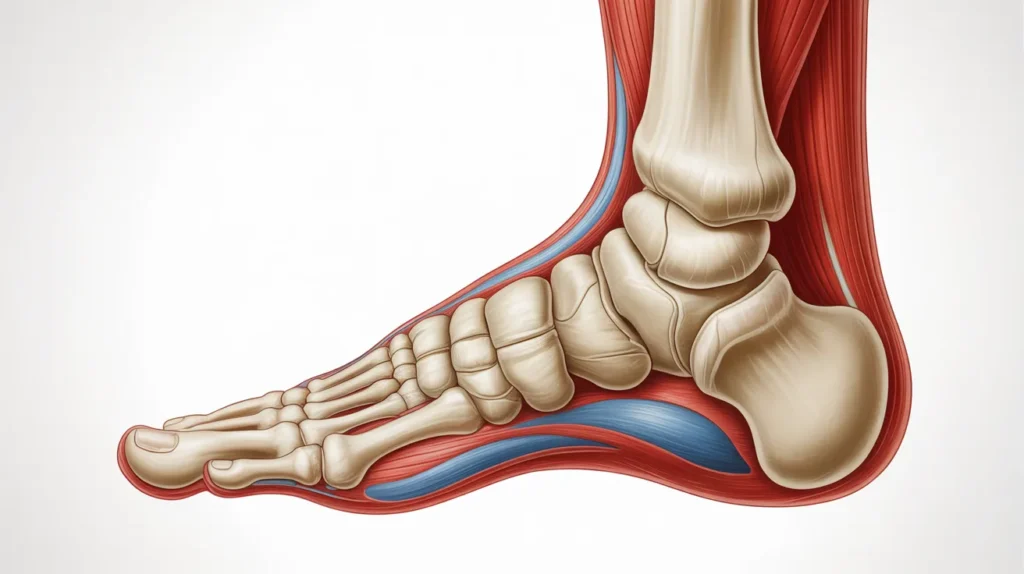
Your foot is incredibly complex. It contains 26 bones, 33 joints, and over 100 muscles, tendons, and ligaments. This intricate design supports your entire body weight and adapts to different surfaces effortlessly.
When you understand this structure, the benefits of walking barefoot become obvious. Your feet aren’t meant to be restricted. They are designed to move freely, absorb shock, and provide stability with every step you take.
Strengthens Foot Muscles
Walking barefoot acts like a workout for your feet. Without shoe support, your muscles must work harder to stabilize your body. This strengthens intrinsic foot muscles, improving overall foot stability and endurance.
Over time, stronger feet reduce strain on your ankles and knees. You’ll notice better posture and improved movement efficiency. It’s like building a solid foundation for your entire body.
Toes Spread Naturally
Shoes often squeeze your toes into unnatural positions. Barefoot walking allows them to spread freely, creating a wider and more stable base. This improves balance control and natural foot alignment.
When your toes function properly, your entire gait improves. You move more efficiently and reduce the risk of deformities like bunions or overlapping toes.
Improves Joint Mobility
Your feet contain multiple joints that thrive on movement. Shoes restrict this motion, making your feet stiff over time. Walking barefoot restores joint flexibility and enhances range of motion.
Healthy joints mean smoother movement and less stiffness. This also helps prevent injuries and keeps your feet functioning the way they were designed to.
Enhances Balance and Coordination
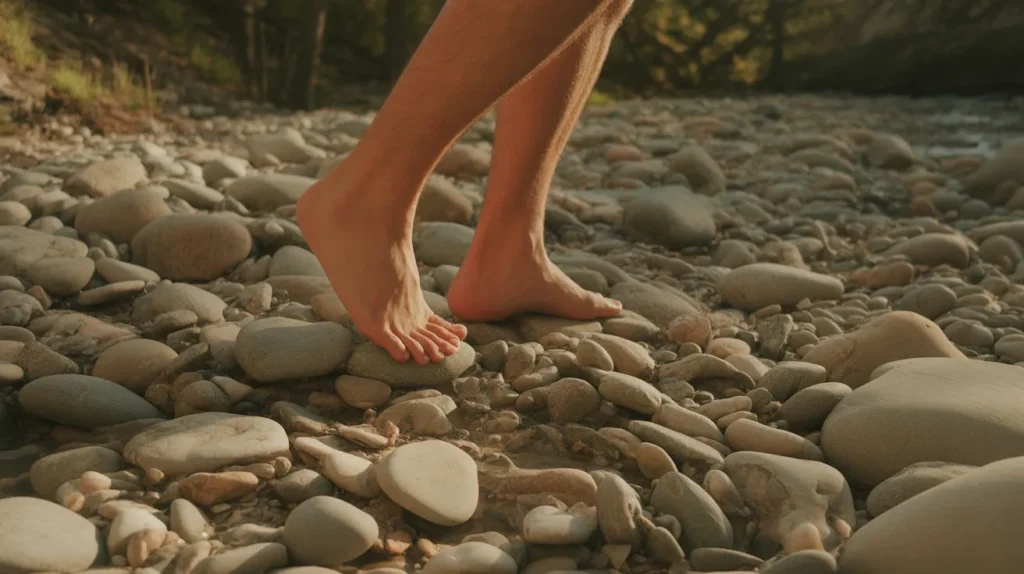
When you walk barefoot, your feet receive direct feedback from the ground. This improves your brain’s awareness of body position, known as proprioception. Better awareness leads to stronger balance control.
With improved coordination, your risk of falls and ankle sprains decreases. Your body reacts faster to uneven surfaces, keeping you stable and secure.
Boosts Sensory Stimulation
Barefoot walking activates thousands of nerve endings in your feet. These signals travel to your brain, enhancing neurological function and sensory awareness. It’s like turning your feet back on.
This increased stimulation improves movement precision. You feel more connected to your environment, which enhances both physical and mental awareness.
Promotes Natural Grounding
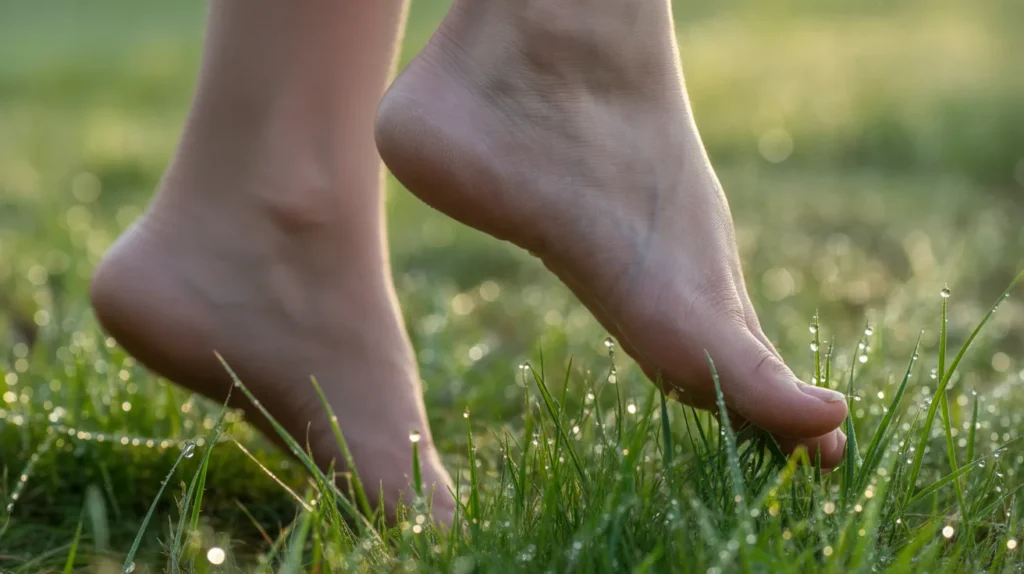
Walking barefoot on natural surfaces like grass or sand connects your body to the Earth. This process, known as grounding, may help balance your body’s electrical charge and reduce inflammation levels.
Many people report feeling calmer and more relaxed after grounding. It’s a simple yet powerful way to reconnect with nature while improving your overall well-being.
Reduces Joint Stress
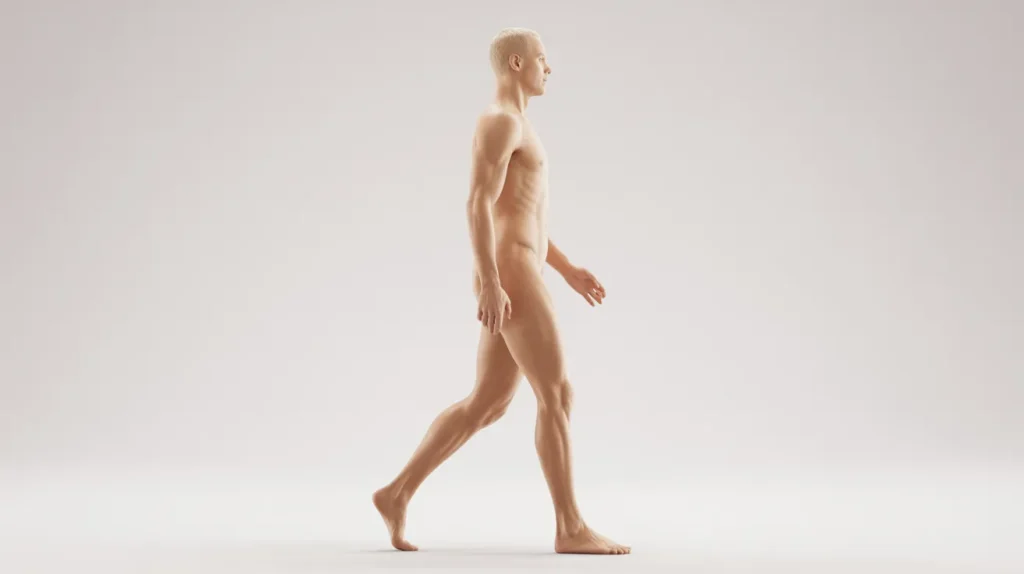
Barefoot walking encourages a more natural walking pattern. This reduces impact forces on your joints and improves movement mechanics. As a result, there’s less stress on your knees, hips, and lower back.
Over time, this can help prevent chronic pain and improve long-term joint health. Your body moves the way it was meant to—smooth and efficient.
Best Shoe Alternatives
You don’t have to go barefoot all the time. Minimalist or barefoot-style shoes offer a great alternative. These shoes provide protection while still allowing natural movement and toe spacing.
Look for shoes with a wide toe box, thin sole, and minimal heel. This helps you enjoy some barefoot walking benefits while staying protected in urban environments.
Simple Tips to Start Walking Barefoot
Start slowly. Walk barefoot at home or on safe surfaces like grass or sand. Gradually increase your time to allow your feet to adapt and strengthen naturally.
Listen to your body. Mild soreness is normal at first, but pain isn’t. Stay consistent, and you’ll begin to notice the powerful walking barefoot benefits within weeks.
Conclusion
Your feet are your foundation, yet they’re often neglected. Embracing the benefits of walking barefoot can transform your movement, posture, and overall health. It’s a simple habit with powerful results.
Start small. Take off your shoes more often and let your feet do what they were designed to do. Over time, you’ll feel stronger, more balanced, and more connected to your body than ever before.
Is walking barefoot good for your health?
Yes, walking barefoot strengthens foot muscles, improves balance, and enhances natural movement. It also helps reduce joint stress and improves posture over time.
❓ How long should I walk barefoot daily?
Start with 10–15 minutes daily on safe surfaces like grass or sand. Gradually increase the time as your feet adapt and become stronger.
❓ Can walking barefoot reduce foot pain?
Yes, it can help reduce foot pain by strengthening muscles and improving alignment. However, it’s important to transition slowly to avoid strain.
❓ Are barefoot shoes a good alternative?
Barefoot shoes are a great option if you cannot go fully barefoot. They allow natural movement while still protecting your feet.
❓ Is walking barefoot safe everywhere?
No, avoid sharp or unsafe surfaces. Stick to natural environments like grass, sand, or clean indoor spaces for safety.