

Introduction: Why You Feel Tired All the Time (Even After Sleep)
Why you feel tired all the time isn’t about sleep alone. You wake up exhausted. Your body feels heavy. Even simple tasks seem overwhelming. This constant fatigue reflects mental exhaustion, low energy levels, and a deeper psychological imbalance affecting your daily motivation and focus.

The Scale of the Problem: Burnout Is Everywhere
Look around—this isn’t just your struggle. Millions silently face chronic fatigue, workplace burnout, and declining motivation. Studies reveal rising exhaustion globally. However, most people never identify the real cause, which makes this silent epidemic even more dangerous and difficult to escape.
What Is Really Going Wrong?
Something deeper is broken. Despite awareness, people still feel lost and drained. The modern lifestyle quietly disrupts your brain’s rhythm. This leads to mental fatigue, lack of clarity, and emotional disengagement. You’re not lazy—your system is overwhelmed and misaligned.

What Is Tiredness? A Psychological State
Here’s the surprising truth—tiredness is not always physical. You can rest for hours and still feel drained. This happens because fatigue often comes from mental resistance, emotional overload, and dopamine imbalance, not actual lack of energy. Your brain controls how effort feels.
Evolution and Energy Conservation
Your brain evolved for survival, not productivity. In ancient times, conserving energy was essential. Today, that same mechanism still exists. It creates energy-saving behavior, effort avoidance, and unnecessary tiredness—even when your body is physically capable of performing tasks.
The Science: Cost vs Reward System
Your brain constantly evaluates effort versus reward. If something feels unrewarding, it resists. This involves dopamine release, reward anticipation, and mental calculation. Tasks like studying feel exhausting because rewards are delayed, while easy pleasures feel instantly satisfying.
The Modern Trap: Easy Dopamine Overload
Modern life exploits your brain’s reward system. Social media, videos, and scrolling deliver instant gratification, quick dopamine hits, and minimal effort rewards. However, meaningful tasks require patience. This imbalance tricks your brain into avoiding anything that demands effort.

Dopamine Desensitization Explained
Over time, your brain adapts to overstimulation. It needs more input to feel the same pleasure. This is dopamine desensitization, causing low motivation, task avoidance, and constant fatigue. Even thinking about work starts to feel exhausting and mentally draining.
What Is Dopamine Desensitization?
Dopamine desensitization happens when your brain adapts to frequent pleasure. It reduces its response to stimulation, causing low motivation, reward imbalance, and emotional dullness. Activities that once felt exciting now feel boring, making it harder for you to stay engaged in meaningful work.
🔹 Understanding the Brain’s Reward System
Your brain releases dopamine when you experience pleasure or achievement. This creates reward signals, motivation triggers, and reinforcement patterns. However, when overstimulated, the system weakens. As a result, your brain stops responding strongly, reducing your desire to take action.
🔸 How Dopamine Desensitization Happens
Dopamine desensitization develops gradually. Repeated exposure to high-reward activities overwhelms your brain. This leads to neural adaptation, reward threshold increase, and reduced sensitivity. Over time, your brain requires stronger stimulation to feel the same level of satisfaction or excitement.
Brain Conflict: Limbic System vs Prefrontal Cortex
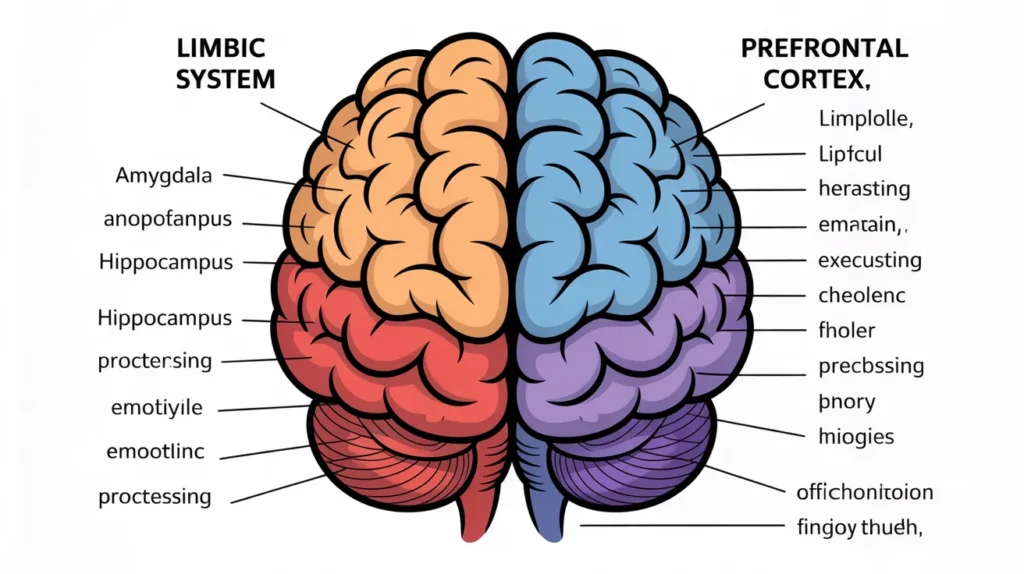
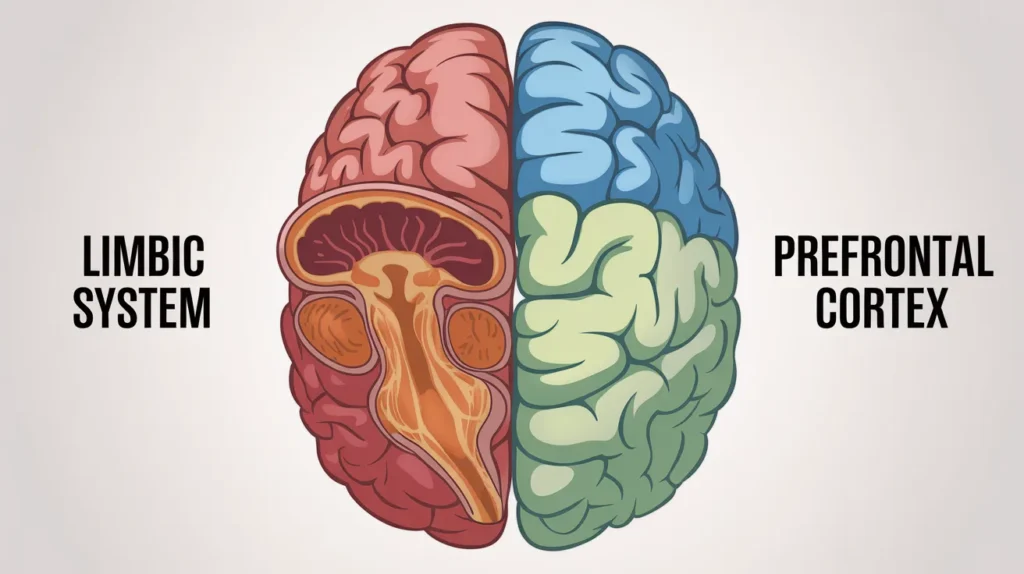
Inside your brain, two forces compete daily. The limbic system seeks pleasure and comfort. The prefrontal cortex handles logic and discipline. When overstimulated, your emotional brain dominates, weakening self-control, decision-making, and long-term focus.
Decision Fatigue and Loss of Control
- Constant stimulation overwhelms your brain’s decision center. This leads to decision fatigue, impulsive behavior, and poor choices. You feel stuck and distracted. However, this condition is reversible if you begin to regain control over your habits and environment.
Strengthening Self-Control
Every time you resist instant gratification, you strengthen your brain. This builds mental discipline, willpower, and resilience. Small daily decisions create powerful changes. Over time, your brain becomes more focused, controlled, and capable of handling effort.
The Root Solution: Mindset and Action
Fixing why you feel tired all the time requires alignment. Your mindset shift and daily actions shape your energy levels. Without direction, everything feels heavy. However, when your actions align with purpose, motivation begins to return naturally.
Why Purpose Gives You Energy
Lack of purpose drains your mind faster than work. When life feels meaningless, your brain resists effort. A strong life purpose, clear direction, and meaningful goals create natural motivation. Without clarity, even small tasks feel exhausting and pointless.
Growth Mindset Changes Everything
Growth fuels energy. When you embrace challenges, your brain rewards effort. A growth mindset, learning attitude, and self-improvement focus transform how you experience work. Tasks feel engaging instead of draining when progress becomes your priority.
Setting Goals That Work
Vague goals create confusion. Clear goals create momentum. Break large goals into small steps using goal-setting strategies, action planning, and realistic timelines. This reduces overwhelm and gives your brain a clear path to follow.
Building Positive Habits
Your habits define your lifestyle. Replace negative patterns with healthy routines, productive habits, and intentional actions. It feels difficult at first. However, consistency rewires your brain, making positive behaviors automatic and easier to maintain.
Motivation Comes After Action
Here’s a powerful truth—motivation follows action. Not the other way around. Taking small steps triggers dopamine release, builds momentum, and reduces resistance. Even a few minutes of focused work can instantly shift your mental state.
Pillar Habits for Energy and Focus
Some habits act like anchors. Exercise, structured routines, and focused work sessions stabilize your mind. These pillar habits, daily routines, and consistent actions create a strong foundation for sustained energy and productivity.
Role of Diet and Routine
Your lifestyle directly affects your brain. Poor diet and irregular sleep disrupt balance. A structured routine supports brain health, energy stability, and hormonal function. What you eat and how you live silently shapes your mental performance.
Meditation and Self-Awareness
Mental clarity requires practice. Meditation improves self-awareness, emotional control, and focus. It helps reset your dopamine system. Even a few minutes daily can reduce overstimulation and restore calmness in your thoughts.
Journaling for Clarity
Your thoughts need organization. Writing helps you process emotions and ideas. Journaling improves mental clarity, goal tracking, and self-understanding. It allows you to identify patterns and stay aligned with your direction.
Final Message: Take Back Control
Why you feel tired all the time is not permanent. It’s a result of imbalance. Fix your mindset, improve your habits, and reduce distractions. Once your brain resets, your energy, focus, and motivation will naturally return stronger than before.