
Table of Contents
Introduction
Inflammation gets a bad reputation, but it’s not the enemy — at least not at first. It’s your body’s emergency response crew, showing up when you cut your finger or catch a cold, doing its job, then clocking out. The problem starts when it doesn’t clock out. When inflammation sticks around for months or years instead of days, it’s been tied to heart disease, type 2 diabetes, arthritis, and a handful of other conditions nobody wants on their chart.
Here’s the encouraging part: what’s on your plate matters more than most people realize. You don’t need a miracle ingredient or a $40 supplement. A handful of ordinary Foods That Actually Help Fight Inflammation — many of which are probably already in your kitchen — have real research behind their ability to calm down over time.
Why This Actually Works
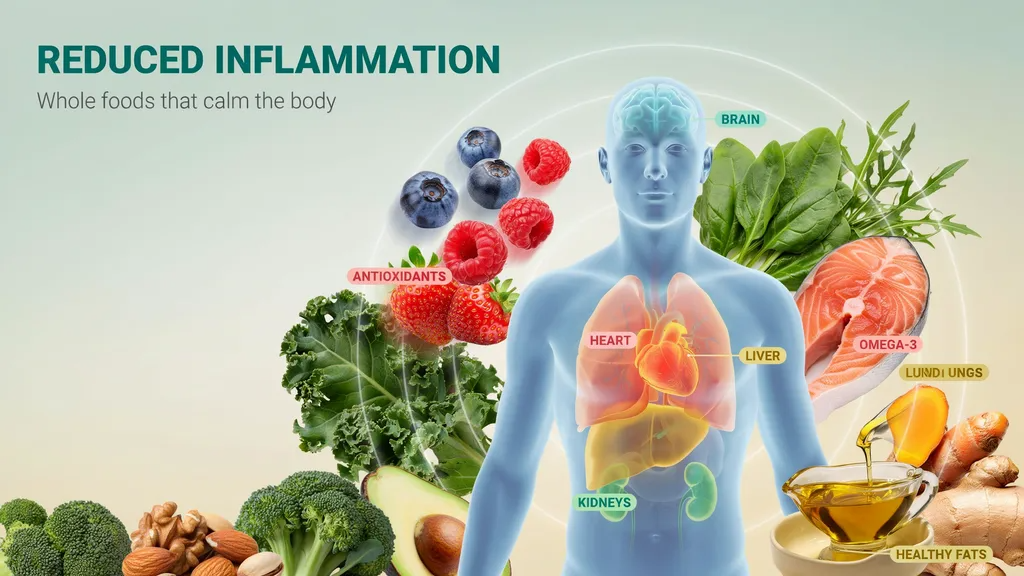
Diet doesn’t just affect your waistline. Foods rich in omega-3s, polyphenols, fiber, and certain vitamins appear to blunt oxidative stress — the cellular damage that keeps inflammation running in the background. No single food is going to fix this on its own. It’s the pattern that counts: what you eat most days, not what you eat once.
| Food | What It Brings | Why It Matters |
|---|---|---|
| Salmon | Omega-3 fats | Heart and brain support |
| Blueberries | Anthocyanins | Antioxidant protection |
| Turmeric | Curcumin | Lowers inflammatory markers |
| Broccoli | Sulforaphane | Cellular protection |
| Olive oil | Monounsaturated fats | Cardiovascular support |
1. Fatty Fish
Salmon, sardines, mackerel, trout — the fish your grandmother probably told you to eat more of. They’re loaded with omega-3s, which have a decent body of evidence behind reducing inflammation and supporting heart and brain health. Twice a week is the number most nutrition guidelines land on.
2. Blueberries
Small, sweet, and surprisingly hardworking. Blueberries owe their color to anthocyanins, antioxidant compounds that help fend off free-radical damage. Toss a handful into oatmeal or yogurt and you get flavor without needing to reach for sugar.
3. Leafy Greens
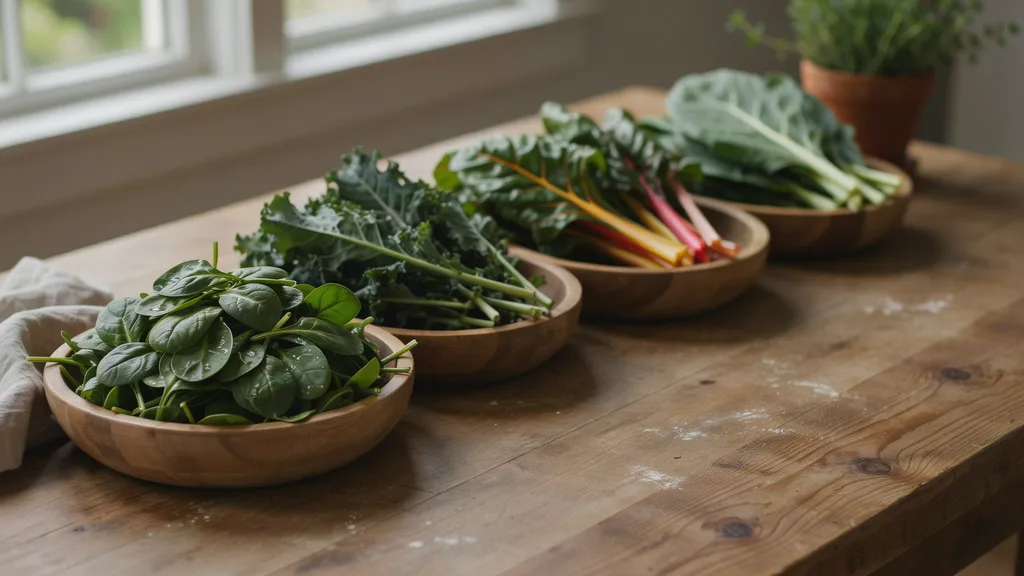
Spinach, kale, Swiss chard, collards — the produce aisle staples. Between vitamins A, C, E, and K, plus fiber and minerals, these do a lot of quiet work supporting immune function and keeping oxidative stress in check.
4. Extra Virgin Olive Oil
The backbone of the Mediterranean diet, and for good reason. It’s rich in healthy fats and plant compounds linked to lower inflammation. Swap it in for butter when you’re cooking, or just drizzle it over a salad.
5. Tomatoes
Tomatoes bring lycopene to the table, an antioxidant tied to better heart health. Interestingly, cooking them — think sauce, soup, roasted — actually makes the lycopene easier for your body to absorb, which is a rare case where “less raw” is the better choice.
6. Turmeric
This golden spice contains curcumin, probably the most studied natural anti-inflammatory compound out there. One catch: your body doesn’t absorb it well on its own. Pair it with black pepper and absorption improves significantly.
7. Ginger
Used in traditional medicine for centuries, and modern research is starting to catch up. Ginger’s natural compounds may ease muscle soreness, support digestion, and take some heat out of inflammation.
8. Nuts
Almonds, walnuts, pistachios — easy to grab, easy to overeat, but genuinely good for you in reasonable portions. Walnuts in particular carry plant-based omega-3s, making them one of the better snack swaps you can make.
9. Chia Seeds
Tiny but dense: fiber, protein, calcium, healthy fats, all in a seed you barely notice in your food. Stir them into yogurt or a smoothie and you’ve quietly upgraded your meal.
10. Broccoli
Broccoli contains sulforaphane, a compound that may help protect cells from damage, on top of a solid dose of vitamin C and fiber. Not the most exciting vegetable, but one of the most useful.

11. Avocados
Creamy, filling, and full of monounsaturated fats, potassium, fiber, and vitamin E. Works on toast, in a salad, mashed into just about anything.
12. Green Tea
Green tea’s catechins are antioxidants that may support both heart and brain health while helping tamp down inflammation. Swapping a soda or two a week for unsweetened green tea is a small, low-effort change.
13. Dark Chocolate
Yes, really — chocolate makes the list. Look for at least 70% cocoa and you’re getting flavonoids that help protect blood vessels. Just keep portions in check; it’s still calorie-dense.
14. Garlic
Garlic’s sulfur compounds may give your immune system a boost and help lower inflammation. Fresh cloves tend to do more than the pre-minced jar kind, so when you can, chop it yourself.
15. Bell Peppers
Red, yellow, orange — take your pick. They’re loaded with vitamin C and carotenoids and add crunch and color to just about any dish, raw or cooked.
What Might Be Working Against You
It’s not just about adding good foods — what you cut back on matters too. Sugary drinks, refined carbs, processed meats, and trans fats have all been linked to higher inflammatory markers in various studies. Trading these out for fresh produce, lean protein, legumes, and whole grains tends to move the needle more than any single “superfood” addition.
Making It Stick
Nobody overhauls their diet overnight, and you don’t need to. Add berries to breakfast. Toss greens into lunch. Make salmon your go-to a couple nights a week. Keep nuts around instead of chips. Cook with olive oil, and season generously with garlic, ginger, and turmeric — small habits that add up faster than people expect.
The Bottom Line
There’s no single food that prevents disease, and anyone promising that is overselling it. But a diet built around fruits, vegetables, healthy fats, whole grains, and lean protein has real evidence behind it when it comes to easing chronic inflammation. Pair it with decent sleep, regular movement, and managing stress, and you’re covering most of the bases that actually matter for long-term health.
Disclaimer: This article is for educational purposes only and isn’t a substitute for professional medical advice. Talk to a healthcare provider about any ongoing symptoms or medical conditions.