
Table of Contents
Introduction
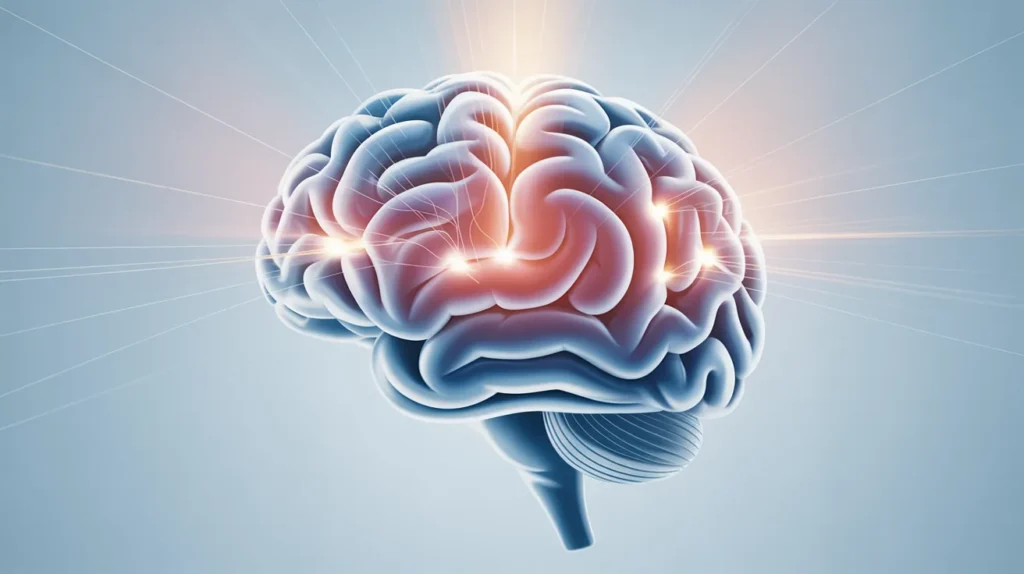
Have you ever wondered what dopamine is and why it affects your everyday motivation, attitude, and ability to concentrate? This small but potent molecule in your brain serves as a motivational transmitter, directing your drive to take action, acquire knowledge, and accomplish objectives. People’s natural dopamine levels and emotional equilibrium are impacted by the frequent digital overstimulation they experience in modern life.
You can manage impulsive cravings, increase productivity, and safeguard mental health by knowing what dopamine is and why it matters. This tutorial discusses the science underlying the neurotransmitter dopamine, how it affects reward behavior, and why sustained motivation and long-term enjoyment are supported by appropriate control.
What Is Dopamine and Why Does It Matter?
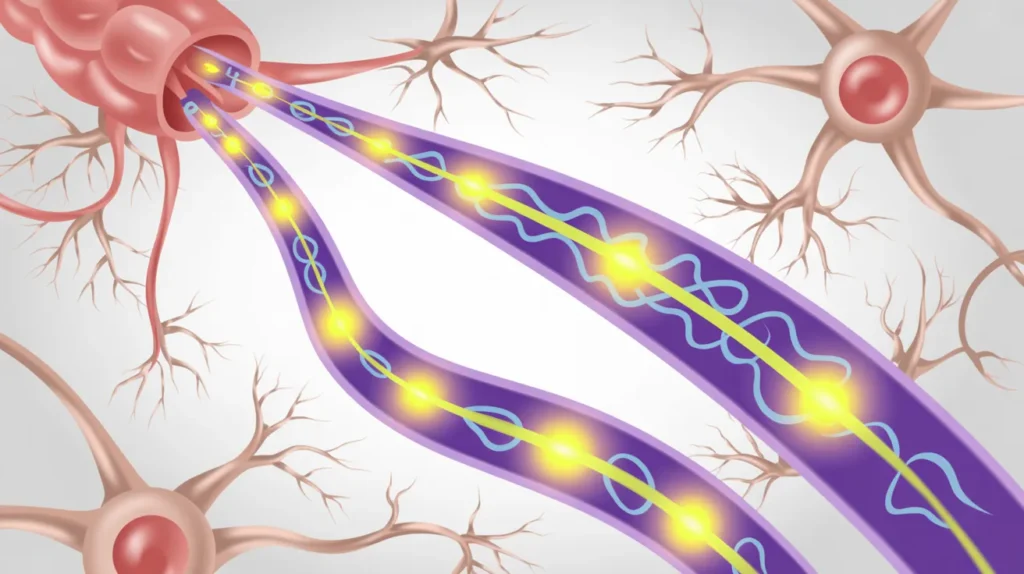
Many refer to dopamine as the “feel-good” molecule. It sounds like an easy phrase. There is more to the truth. One neurotransmitter that functions as a messenger within your brain is dopamine. It encourages you to take action and transmits signals between nerve cells. It is the driving force behind your objectives.
Dopamine regulates your reward system, which is more significant. It influences enjoyment, decision-making, and learning. The answer to the question of what dopamine is and why it matters is that you wouldn’t be driven to eat, move, work, or connect if you didn’t have dopamine. It serves as the catalyst for human conduct.
What Dopamine Actually Does in the Brain
Dopamine does not immediately produce pleasure. It builds suspense. It encourages pursuit. According to scientists, it is a neurotransmitter that stimulates the brain’s reward system. This route teaches you what makes you feel good and encourages you to do it again.
There are two main pathways at play. Reward seeking is motivated by the mesolimbic pathway. Planning and concentration are supported by the mesocortical circuit. When combined, they have an impact on behavior shaping, reinforcement, and learning. This illustrates how dopamine influences everything from addiction to ambition.
What Triggers Dopamine Release?
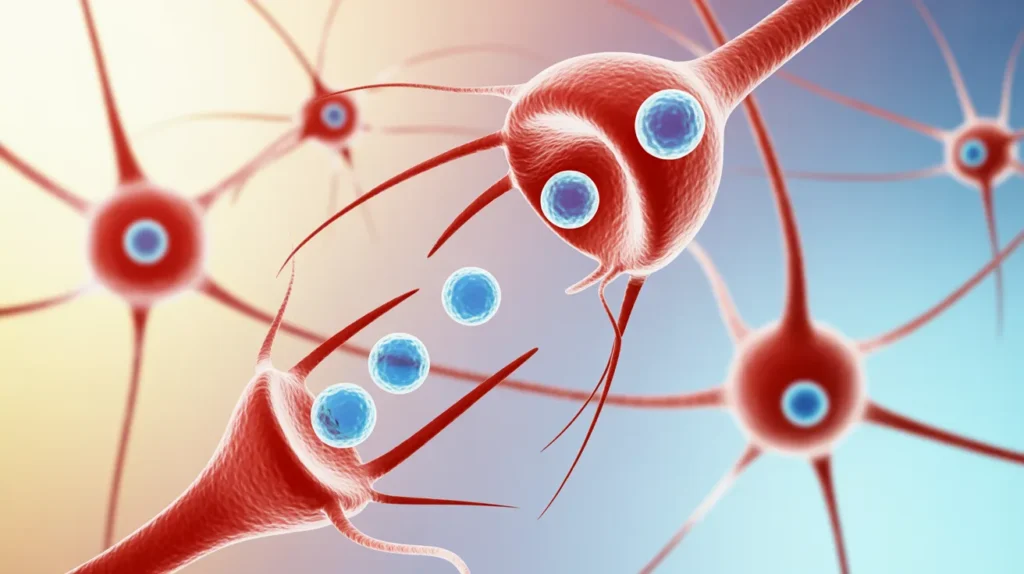
Modern life constantly stimulates dopamine. Fast food, online shopping, gaming, and social media notifications all cause dopamine spikes. This constant stimulation can lead to digital overstimulation and even social media addiction.
Additionally, there are healthful triggers. Relationships, meaningful work, music, exercise, and sunlight all naturally release dopamine. The primary differences are in intensity and frequency. Repetitive spikes from high-stimulation behaviors create dopamine tolerance, meaning you need more stimulation to get the same reward.
- Completing small tasks and achieving personal goals can activate the brain’s reward system and improve motivation.
- Listening to music you enjoy can stimulate the pleasure response and support positive mood regulation.
- Spending time in sunlight helps maintain healthy brain chemistry and supports natural neurotransmitter dopamine activity.
- Eating balanced meals rich in protein and nutrients supports stable dopamine production.
- Exercise such as walking, running, or strength training boosts motivation and reduces stress.
Symptoms of High vs. Low Dopamine
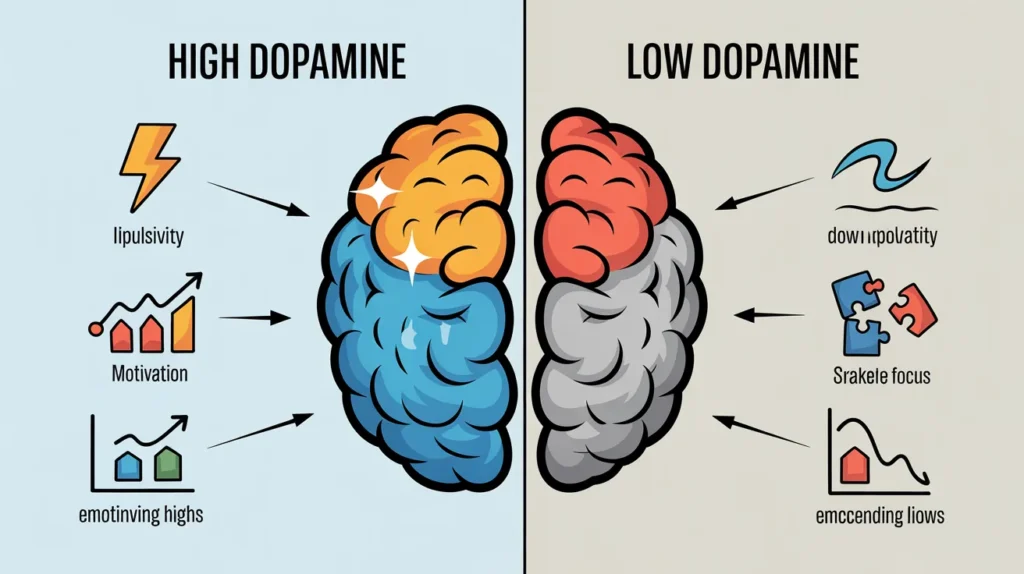
A dopamine imbalance can affect behavior, mood, and day-to-day functioning. You may experience changes in motivation, focus, and emotional stability when dopamine levels are either too high or too low. In plain English, the following plagiarism-free points describe typical symptoms.
The signs of elevated dopamine
- Being impulsive or too excited without considering the repercussions.
- The constant desire to browse, play games, or shop for pleasure.
- Having trouble focusing due to restless energy.
- Indulging in compulsive behaviors motivated by the promise of immediate reward.
- A strong desire for novelty and excitement.
Can You Become Addicted to Dopamine?
You cannot be addicted to dopamine itself. You can become addicted to behaviors that trigger it. This is where dopamine and addiction intersect. The addiction cycle forms through repeated activation of the brain reward pathway.
Addiction often begins with small pleasure-seeking habits. Over time, these habits strengthen neural connections. This process is called psychological conditioning. It forms habit loops that reinforce the same behavior repeatedly. Addiction is about patterns, not chemicals alone.
What Is a Dopamine Detox (or Dopamine Fasting)?
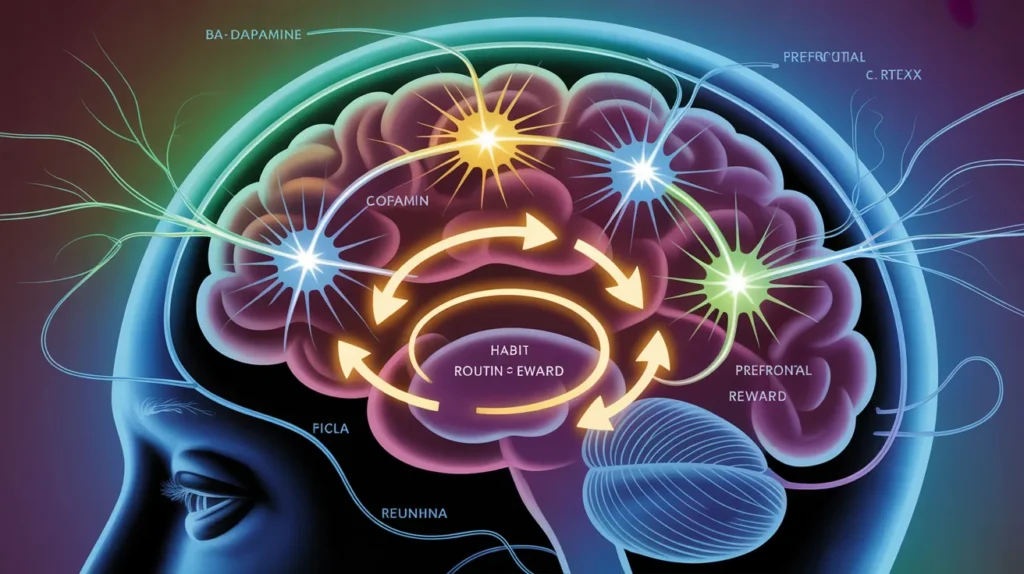
The idea of a dopamine detox gained attention as a popular mental wellness trend. Many believed they could reset their brains by avoiding pleasure. This concept was also called dopamine fasting.
However, dopamine is not a toxin. You cannot remove it. You need it to survive. The detox idea is actually based on principles similar to cognitive behavioral therapy (CBT). The real goal is not removing dopamine. The goal is reducing overstimulation.
Origin of the Dopamine Detox Trend
The concept became popular in Silicon Valley. It was marketed as a solution to distraction and burnout. The language spread faster than the science. Soon, it became linked to extreme self-denial and strict routines.
Originally, the idea was about behavior modification and stimulus control. These are standard techniques used in mental health therapy. The science was sound. The branding created confusion.
What People Typically Avoid
People practicing a dopamine detox often avoid screens, sugar, gaming, and streaming. Some even avoid music and conversation. The idea is to eliminate triggers of instant gratification.
This approach can reduce digital overstimulation temporarily. However, removing everything pleasurable can create stress. Healthy balance works better than extreme restriction.
Do Dopamine Detoxes Actually Work? (What Science Says)
Science is clear. You cannot flush dopamine from your brain. Your brain does not store extra dopamine like a tank. Dopamine is produced and regulated continuously as part of normal brain chemistry.
However, reducing excessive stimulation can help. Limiting screen time can improve focus. Breaking unhealthy habits supports habit change. The benefits come from behavioral adjustment, not chemical removal.
Is Dopamine the Problem?
Dopamine is essential for survival. It drives movement, learning, and motivation. Without it, daily life would feel flat and meaningless. The problem is not dopamine. The problem is chronic overstimulation.
When you constantly chase stimulation, your baseline drops. You experience lower motivation between spikes. This pattern explains why endless scrolling feels exciting and then empty.
What Research Actually Supports
Research supports structured breaks from screens. Studies show that reducing notifications improves attention span. Controlled habit interruption supports behavior modification and better emotional regulation.
Therapists often use self-regulation strategies and mindfulness techniques to help clients notice urges. These tools help manage cravings without extreme restriction.
Why All-or-Nothing Approaches Fail
Extreme restriction often backfires. When you remove all pleasure, cravings intensify. This mirrors crash dieting. Severe rules increase obsession.
Sustainable habit change requires flexibility. Small adjustments create lasting results. Balanced routines outperform dramatic detox plans.
Potential Benefits of a Dopamine Detox
When practiced moderately, reducing stimulation can improve clarity. Many people report better focus and deeper concentration.
Temporary reduction in screen use can improve sleep. It can also reduce emotional eating and impulsive scrolling. The benefits come from reduced distraction, not chemical reset.
Improved Focus and Mental Clarity
Lowering distractions allows your brain to rest. This strengthens attention span. Productivity improves naturally.
You complete tasks faster. You experience fewer interruptions. This supports healthy self-discipline methods.
Emotional Regulation and Stress Reduction
Reduced comparison on social media lowers anxiety. Stress hormones decline. Mood stabilizes.
Better emotional regulation supports mental resilience. You respond instead of react.
Relearning Healthy Pleasure
Simple activities feel rewarding again. Walking outdoors feels refreshing. Reading becomes immersive.
This resets your relationship with the pleasure response. You enjoy life without constant intensity.
Risks, Misconceptions & Downsides
Online, the idea of a dopamine detox has become incredibly popular. It is frequently misinterpreted, though, just like many viral productivity trends. Extreme interpretations can cause confusion and even harm, even though lowering overstimulation might be advantageous.Readers can approach dopamine control safely and realistically if they are aware of the dangers and common misconceptions.
The Myth of “Resetting” Brain Chemistry
In productivity culture, the notion that you can “reset” your brain’s chemistry, particularly dopamine, has gained popularity. Avoiding pleasure for a few days is said to recharge the brain, boost motivation, and permanently solve focus issues, according to many internet conversations.
When Detox Becomes Avoidance
Sometimes detoxing becomes avoidance of deeper issues. Underlying stress or trauma may require therapy for compulsive behavior.
- Professional support and addiction recovery strategies offer safer guidance.
- Avoiding all pleasure can become an unhealthy extreme instead of balanced behavior modification.
- Isolating yourself completely may worsen mood and harm emotional regulation.
- Ignoring responsibilities under the excuse of a dopamine detox can reinforce negative habit loops.
- Suppressing normal enjoyment may create frustration and increase impulsive behaviors later.
- Treating dopamine like a toxin shows misunderstanding of brain chemistry and the natural reward system.
- Using detox to escape stress instead of building coping skills may strengthen the addiction cycle.
- Refusing healthy social interaction can negatively affect long-term mental stability.
How to Try a Dopamine Detox the Smart Way
Instead of extreme fasting, focus on structured breaks. Schedule tech-free hours. Practice gentle stimulus control.
Replace high-stimulation habits with calming activities. Walking, journaling, and reading help restore balance.
Eliminating dopamine is not the goal of a dopamine detox; this is both unhealthy and unachievable. Rather, the goal is to lessen overstimulation so that your brain is less reliant on instant gratification from things like social media, junk food, gambling, and never-ending scrolling.
Given that you are the owner of ZenHealthLife, this subject is perfect for a 2026 mental health blog, particularly for those who struggle with productivity, concentration, and internet addiction.
What to Do Instead of a Dopamine Detox
Build sustainable routines. Exercise regularly. Sleep consistently. Eat balanced meals.
Focus on rhythm rather than restriction. Use gradual behavior modification instead of dramatic change.
Dopamine is not a toxin. It is a biological necessity.
Problems arise when modern environments create:
- Frequent high-intensity reward spikes
- Constant novelty stimulation
- Instant gratification loops
Professional approach:
Maintain stable baseline dopamine levels
Reduce excessive artificial stimulation
Increase effort-based reward systems
Natural Ways to Support Healthy Dopamine Levels
Healthy dopamine support includes movement, nutrition, and rest. The table below summarizes evidence-based strategies.
| Habit | Benefit | Impact on Dopamine |
| Exercise | Improves mood | Increases receptor sensitivity |
| Protein-rich diet | Supports production | Stabilizes dopamine levels |
| Sleep | Restores balance | Regulates neurotransmitters |
| Meditation | Reduces cravings | Strengthens self-regulation strategies |
Case studies show that consistent exercise reduces behavioral addiction patterns. Mindfulness training reduces reliance on unhealthy coping mechanisms.
Why Dopamine Truly Matters
So, what is dopamine and why does it matter? It matters because it shapes your drive, your pleasure, and your decisions. It fuels ambition. It influences addiction. It defines how you experience reward.
The goal is not removing dopamine. The goal is managing stimulation wisely. When you understand dopamine, you understand yourself. Balance beats extremes every time.
Does dopamine detox really work?
A dopamine detox doesn’t “reset” your brain chemistry. It works by reducing overstimulation and breaking unhealthy habits, helping improve focus and self-discipline.
How long does it take for dopamine detox to work?
Benefits are usually noticeable within a few days to a week, depending on your habits and consistency in limiting distractions and instant gratification.
Does the dopamine diet really work?
A dopamine diet supports natural dopamine production by including protein-rich foods, fruits, and nutrients, helping mood, motivation, and brain function.
What is the 7 day dopamine detox?
It’s a short-term plan where high-stimulation activities like social media, junk food, and gaming are minimized to reduce distractions and improve focus, clarity, and emotional regulation.