

Table of Contents
Introduction
vitamin glowing, youthful skin starts with the magic of Vitamin C serum, a true skincare essential that delivers visible transformation. Known for its powerful antioxidant protection, vitamin C for skin helps combat dullness, fine lines, and environmental damage. This potent nutrient supports collagen production, brightens your complexion, and fades dark spots for a radiant finish.
Whether you’re fighting early signs of aging or simply want a healthier glow, vitamin C in skincare is your best ally. In this guide, you’ll discover how this wonder ingredient works, its top benefits, and the best ways to include it in your daily skincare routine.

What Is Vitamin C, and How Does It Work for Your Skin?
Vitamin C is a water-soluble antioxidant found in citrus fruits, leafy greens, and berries. Your body can’t produce it naturally, so you must get it from vitamin C-rich foods or topical products. When applied to the skin, it boosts collagen production and helps repair damage from environmental stressors like pollution and UV rays.
vitamin In skincare, vitamin C for skin acts as a shield against oxidative stress, protecting cells from free radicals that break down collagen and accelerate aging. This makes it essential for maintaining firmness, elasticity, and brightness. Without enough vitamin C, your skin loses its glow and becomes vulnerable to damage and wrinkles.
Key Benefits of Vitamin C Serum for Skin
Using a vitamin C serum regularly delivers transformative results. It promotes skin brightening by reducing dullness and improving skin texture, leaving your face luminous and smooth. It’s a true multitasker that works beneath the surface to even out tone and enhance radiance.
The most celebrated vitamin C benefits include fading dark spots, minimizing fine lines, improving skin elasticity, and giving your face a plump, youthful glow. It’s a natural collagen booster that strengthens your skin barrier and boosts hydration for long-term skin repair.
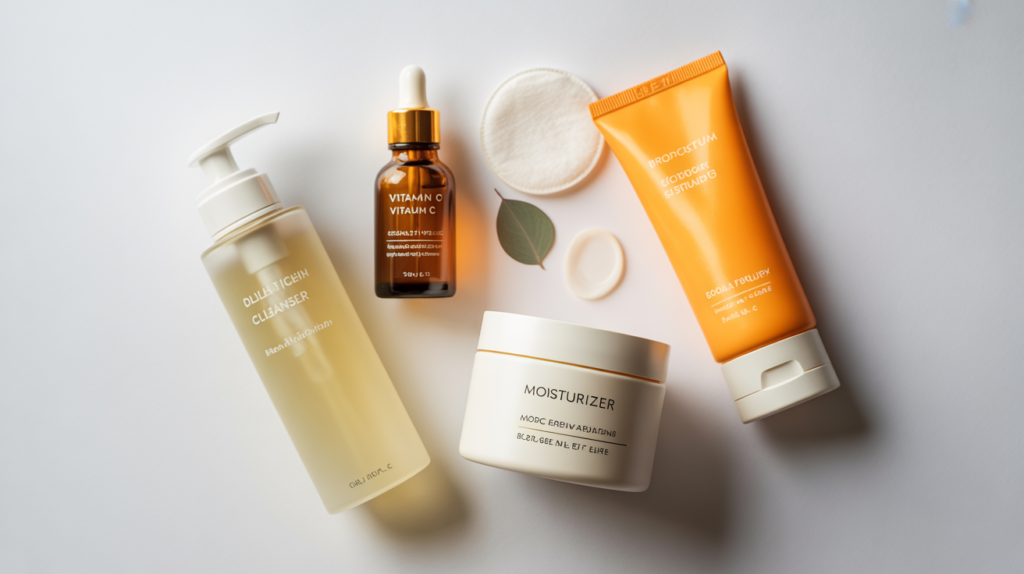
How Vitamin C Fights Skin Damage and Aging
Every day, your skin faces an army of aggressors—UV rays, pollution, and toxins that create free radicals. These unstable molecules cause oxidative stress, leading to premature wrinkles, dark spots, and uneven tone. Thankfully, vitamin C in skincare neutralizes these harmful particles before they can damage your skin cells.
Through its potent antioxidant protection, vitamin C slows down aging by enhancing your skin’s ability to regenerate. It also improves sun protection when paired with SPF. While it’s not a sunscreen, it strengthens your defense system against UV-induced aging and supports your anti-aging skincare routine.
How to Add Vitamin C Serum to Your Skincare Routine
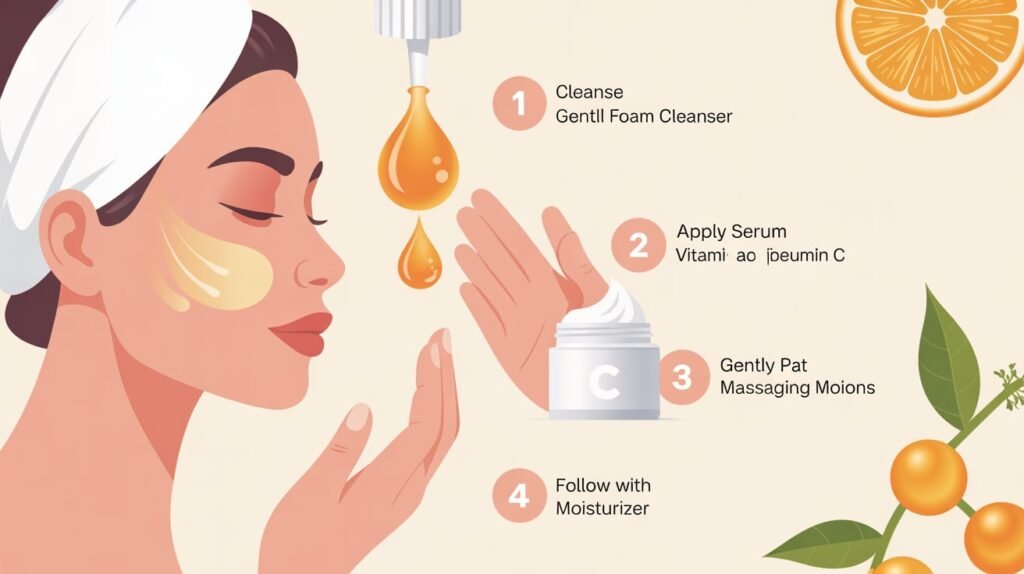
Incorporating vitamin C serum into your daily skincare routine is simple but strategic. Always apply it after cleansing and before moisturizing creams. This ensures deep absorption so your skin can fully harness its brightening and firming benefits. Using it consistently is key to achieving noticeable results.
Most dermatologists recommend applying vitamin C for skin in the morning because it enhances UV protection and shields your face from environmental pollutants. However, if your skin is sensitive, you can apply it at night. Avoid combining it directly with retinol or niacinamide, which may reduce its effectiveness or cause mild irritation.
How to Apply Vitamin C Serum Correctly
To maximize the vitamin C benefits, follow a simple routine. Start with a gentle cleanser to remove dirt and oil, then pat your face dry. Apply 3–5 drops of vitamin C serum to your fingertips and gently press it into your skin, avoiding the delicate eye area.
After application, let the serum absorb for a minute, then follow with moisturizing creams to lock in hydration. Finish your morning routine with a broad-spectrum SPF for optimal UV protection. For night use, layer it before a hydrating moisturizer to enhance skin repair and wound healing while you sleep.
Best Vitamin C Serum Ingredients and Concentrations
When choosing a vitamin C serum, look for active forms like L-ascorbic acid—the purest and most potent version of vitamin C. For sensitive skin, alternatives like magnesium ascorbyl phosphate are gentler yet effective, providing similar skin brightening and anti-aging effects without irritation.
The ideal concentration ranges from 10% to 20%. Lower percentages suit beginners or those with redness and inflammation, while higher ones provide faster results for dark spots and wrinkles. A well-balanced formula, such as Vince Vitamin C Serum, often combines these actives with soothing agents like hyaluronic acid for deep skin hydration.
| Form of Vitamin C | Ideal for Skin Type | Primary Benefits |
| L-Ascorbic Acid | Normal to oily skin | Brightening, collagen boosting |
| Magnesium Ascorbyl Phosphate | Sensitive or dry skin | Hydration, calmness |
| Sodium Ascorbyl Phosphate | Acne-prone skin | Oil control, clarity |
| Ascorbyl Glucoside | Combination skin | Long-lasting glow |
Common Mistakes and How to Avoid Them
Many users don’t realize that vitamin C and magnesium serums are fragile and can oxidize quickly when exposed to air or sunlight. An oxidized serum changes color from clear to orange or brown and loses effectiveness. Always store it in a cool, dark place and close the lid tightly after use.
Avoid mixing vitamin C in skincare with harsh exfoliants or acids, which may cause redness and inflammation. Also, never apply it immediately after toners with alcohol or fragrances. Doing so can trigger irritation, especially if you have sensitive skin or a history of vitamin C deficiency.
Who Should (and Shouldn’t) Use Vitamin C Serum
Most people can safely use vitamin C for skin, regardless of their skin type. It’s suitable for oily, combination, and normal skin. Those with sensitive skin may prefer derivatives like magnesium ascorbyl phosphate, which provide the same antioxidant protection without stinging or dryness.
However, if you experience burning or redness after applying a facial serum, reduce frequency or switch to a lower concentration. Pregnant and breastfeeding women can safely use vitamin magnesium C serum, as it’s non-toxic and topical. Still, those with severe allergies should consult a dermatologist before use.
Best Vitamin C Products to Try
If you’re new to vitamin C in skincare, several trusted brands offer clinically backed formulas. The Vince Vitamin C Serum is a great starter—lightweight, non-greasy, and packed with L-ascorbic acid for quick absorption. It targets hyperpigmentation, wrinkles, and under-eye circles, leaving skin luminous and even-toned.
Another popular choice is Skin Ceuticals C E Ferulic, known for its powerful trio of antioxidant protection ingredients—vitamin C, vitamin E, and ferulic acid. For budget-friendly options, TruSkin and CeraVe Vitamin C Serum are highly rated across the USA for visible skin brightening and anti-inflammatory benefits.
Comparison Table: Top Vitamin C Serums in 2025
| Brand | Key Ingredients | Best For | Texture |
| Vince Vitamin C Serum | L-Ascorbic Acid, Hyaluronic Acid | All skin types | Lightweight |
| SkinCeuticals C E Ferulic | L-Ascorbic Acid, Vitamin E, Ferulic Acid | Aging & sun-damaged skin | Silky smooth |
| CeraVe Vitamin C Serum | 10% L-Ascorbic Acid, Ceramides | Dry & dull skin | Creamy |
| TruSkin Vitamin C Serum | Botanical Hyaluronic Acid, Jojoba Oil | Brightening & dark spots | Hydrating |
| Drunk Elephant C-Firma Fresh | Pumpkin Ferment, Vitamin C | Uneven texture | Lightweight gel |
Final Thoughts: Unlock Your Natural Glow
The science behind vitamin C benefits is undeniable. Whether you’re fighting wrinkles, hyperpigmentation, or dullness, adding a vitamin C serum to your skincare routine can truly transform your complexion. It’s not just a beauty product—it’s an investment in your skin’s long-term health and vitality.
When used consistently, vitamin C for skin helps preserve skin elasticity, improves skin texture, and boosts collagen production for a firm, luminous appearance. Think of it as a daily dose of sunshine your skin can drink in—restoring brightness, resilience, and confidence from within.
Quick Recap: Why You Should Use Vitamin C Serum
| Benefit | What It Does |
| Skin Brightening | Reduces dullness and evens tone |
| Collagen Booster | Improves elasticity and firmness |
| Antioxidant Protection | Shields from pollution and UV rays |
| Anti-Aging Skincare | Fades fine lines and wrinkles |
| Hydration | Keeps skin soft and supple |
| Sun Protection | Enhances SPF performance |
| Wound Healing | Aids recovery and reduces scarring |
Quote to Remember
“Healthy, radiant skin isn’t a miracle—it’s chemistry, consistency, and Vitamin C.”
Benefits of Vitamin C serum on face:
Vitamin C serum brightens dull skin, fades dark spots, and boosts collagen production for a smoother, radiant complexion. It also protects your skin from free radicals and sun damage.
Vitamin C serum side effects:
Mild redness and irritation can occur, especially on sensitive skin. Always start with a lower concentration and do a patch test before daily use.
Benefits of Vitamin C serum for acne:
It reduces inflammation, fades acne scars, and improves skin texture by speeding up skin repair and healing.
When to use Vitamin C serum day or night:
Use Vitamin C serum in the morning before sunscreen for UV protection or at night for deep skin renewal.
Best Vitamin C serum:
Look for formulas with L-ascorbic acid or Magnesium ascorbyl phosphate, like the Vince Vitamin C serum, for maximum antioxidant protection and skin brightening.
1 thought on “The Powerful Vitamin C Serum Benefits You Need to Know”