
Introduction
Pizza is one of the most loved foods in the United States. From busy school nights to weekend game parties, it shows up everywhere. Many people wonder, is pizza unhealthy, or can it fit into a smart meal plan? The answer depends on ingredients, portion size, and how often you eat it.
A slice can be full of cheese, sauce, and bread, which means calories in a pizza slice can add up fast. Still, pizza also offers protein, calcium, and sometimes vegetables. When you understand pizza nutrition facts, you can make better decisions and enjoy pizza without harming your health.
What Is Pizza Made Of? A Quick Nutritional Overview
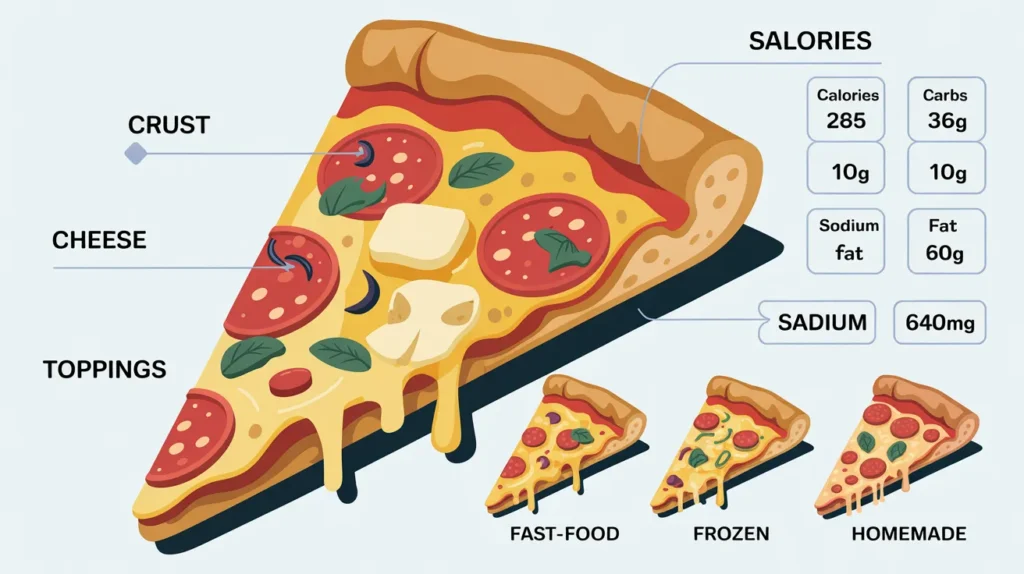
Typically, pizza consists of cheese, tomato sauce, dough, and toppings. Since refined flour is frequently used in the crust, pizza has less fiber and more refined carbohydrates. Although cheese increases saturated fat and raises concerns about cholesterol and pizza, it also offers protein and calcium.
Depending on the toppings, a typical pizza slice has between 200 and 350 calories. Fast food versions often have higher salt levels, making them high-sodium foods. For this reason, homemade pizzas made with fresh ingredients or whole wheat pizza crust tend to be healthier than fast food pizzas.
How Pizza Ingredients Influence Whether Pizza Is Unhealthy
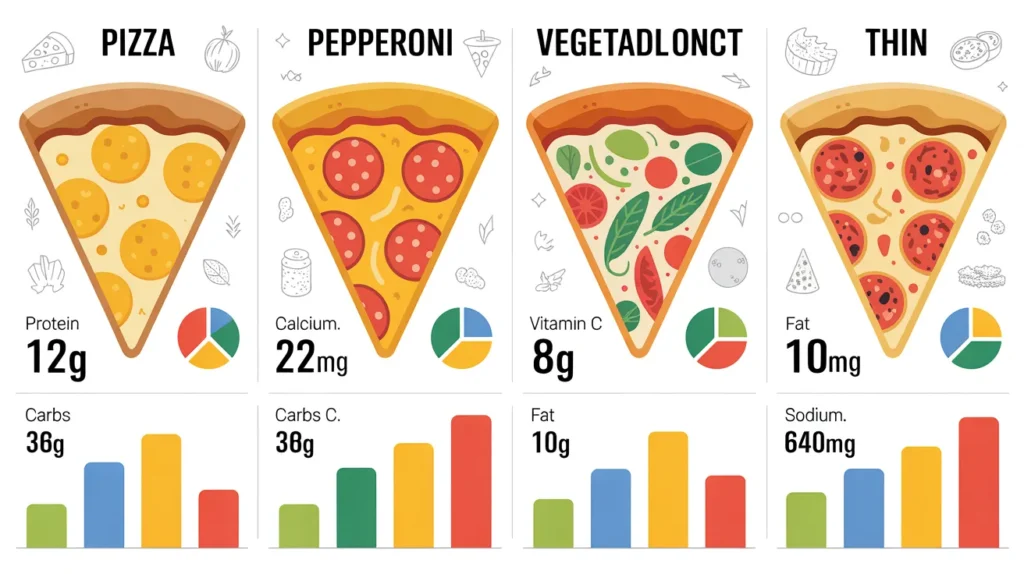
The type of crust changes the nutrition a lot. Since thick crust stores more dough and carbohydrates, there is a significant calorie difference between thin crust and thick crust pizza. Cheese quality is also important because the nutritional value of processed cheese differs greatly from that of fresh mozzarella or low-fat cheeses.
A meal can be transformed into a greasy overload or a healthier plate with toppings. Vitamins are improved by adding nutritious pizza toppings like peppers, spinach, and mushrooms. On the other hand, pepperoni and sausage bring processed meat health risks and increase pizza health risks over time.
Pizza Nutrition Facts: Calories, Macros, and Key Nutrients
The majority of slices contain fat, protein, and carbs in a single serving. Cheese helps muscles and bones by adding protein and calcium. However, many slices also contain high-fat foods and high sodium levels, which can affect pizza and heart health.
Portion size is important. Two slices may double your intake of pizza and weight gain risks if eaten often. Pizza portion control is crucial for anyone attempting to uphold healthy eating practices because of this.
| Pizza Type | Calories | Fat | Sodium |
| Cheese slice | 250 | 10 g | 550 mg |
| Pepperoni slice | 300 | 13 g | 700 mg |
| Veggie slice | 220 | 8 g | 450 mg |
Typical Nutrition per Slice of Popular U.S. Pizza Types
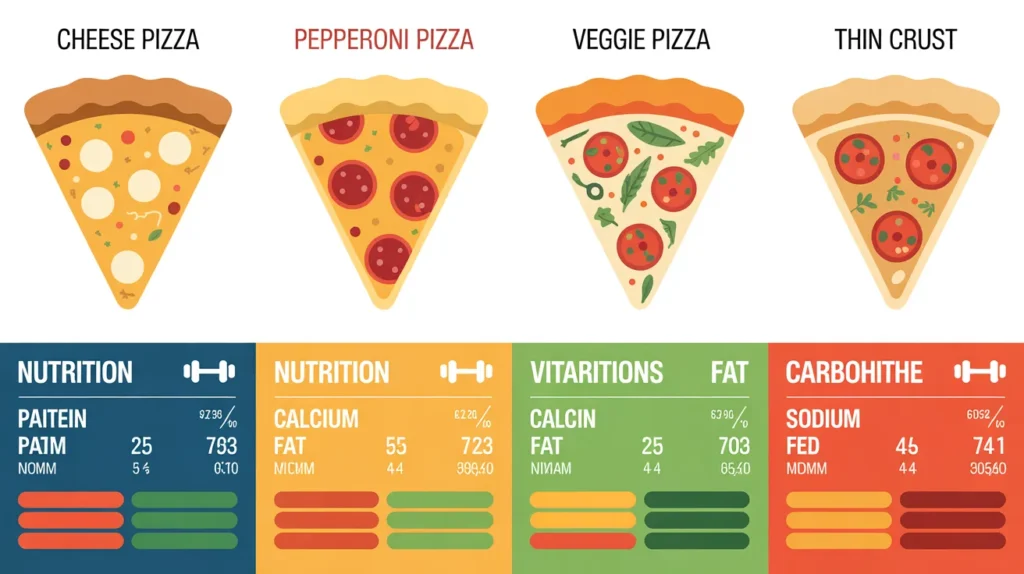
The crust, toppings, and cooking method all have a significant impact on pizza nutrition. A homemade or artisanal slice is very different from one from a fast food chain. Understanding pizza nutrition facts helps you control pizza and weight gain and avoid unnecessary pizza health risks.
Although pizza, cholesterol, blood sugar, and daily calorie intake are all influenced by the type of pizza you choose, many people only consider taste. For example, a veggie slice offers more fiber in pizza, while a meat-loaded slice increases saturated fat in pizza and sodium levels.
Why Pizza Gets a Bad Reputation
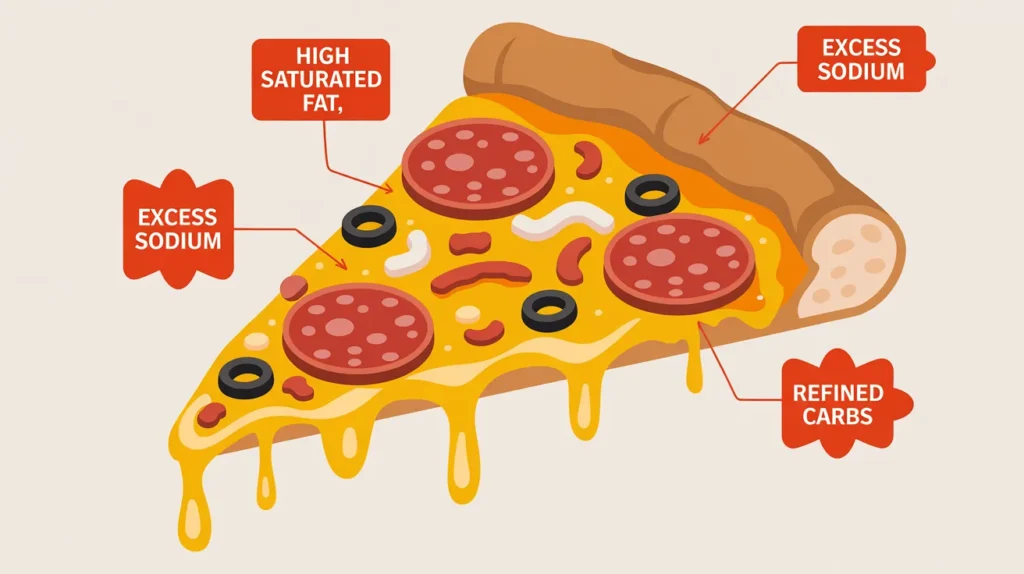
Pizza is frequently associated with foods that are processed and have a lot of fat. Pizza made with white flour, which is used in many crusts, has fewer nutrients and more refined carbohydrates. If consumed frequently, cheese and meats can increase cholesterol and pizza.
Fast food chains also use sauces high in salt. As a result, pizza becomes one of the most common high-sodium foods in the American diet. Due to these factors, many people readily conclude that pizza is unhealthy.
Common Pizza Ingredients Linked to Unhealthy Diets
Another frequent issue is crusts made with refined white flour. They are low in fiber and quickly raise blood sugar and pizza levels. People with diabetes or gluten sensitivity who are worried about pizza should pay particular attention to this. Choosing whole-grain crusts can add fiber to pizza and improve digestion.
It’s wiser to use lean chicken, beans, or vegetables as healthy pizza toppings instead of these ingredients. Pizza may be made into a meal that supports moderation and fits into healthy eating habits by using whole wheat pizza dough and low-fat cheese alternatives.
Health Risks of Eating Too Much Pizza
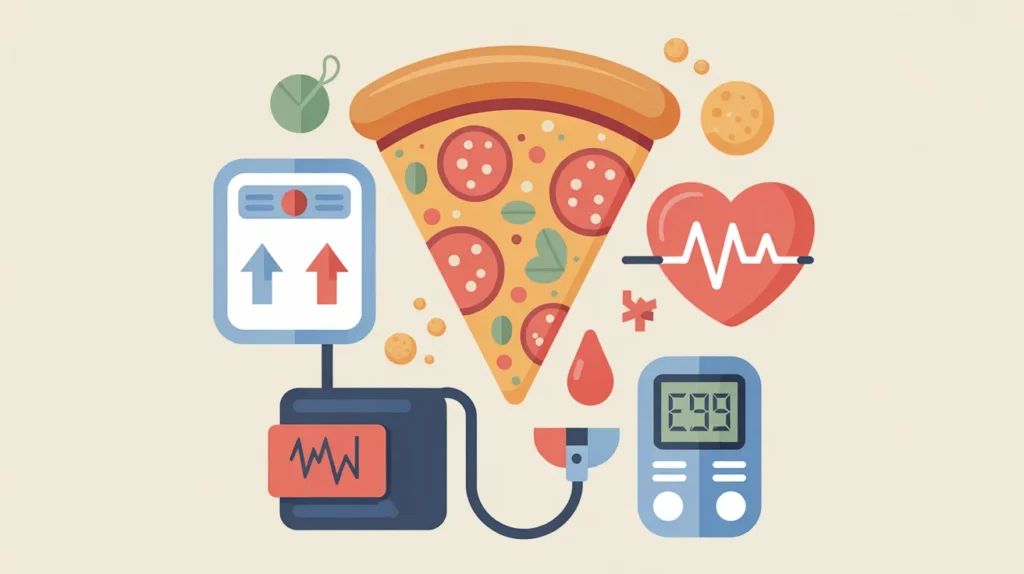
Regularly consuming large portions can result in weight gain and pizza. Extra calories from cheese and refined crusts add up quickly. This practice may eventually raise the risk of obesity and associated illnesses.
Pizza’s high sodium content can cause blood pressure to rise. This affects pizza and heart health and may cause long-term issues. Pizza and blood sugar are also impacted by refined carbohydrates, particularly in diabetics.
Long-Term Effects of Frequent Pizza Consumption
Frequent intake of high-sodium foods may lead to heart problems. High-fat toppings can increase cholesterol levels. These are the main pizza health risks linked to regular overeating.
Are There Any Health Benefits to Pizza?
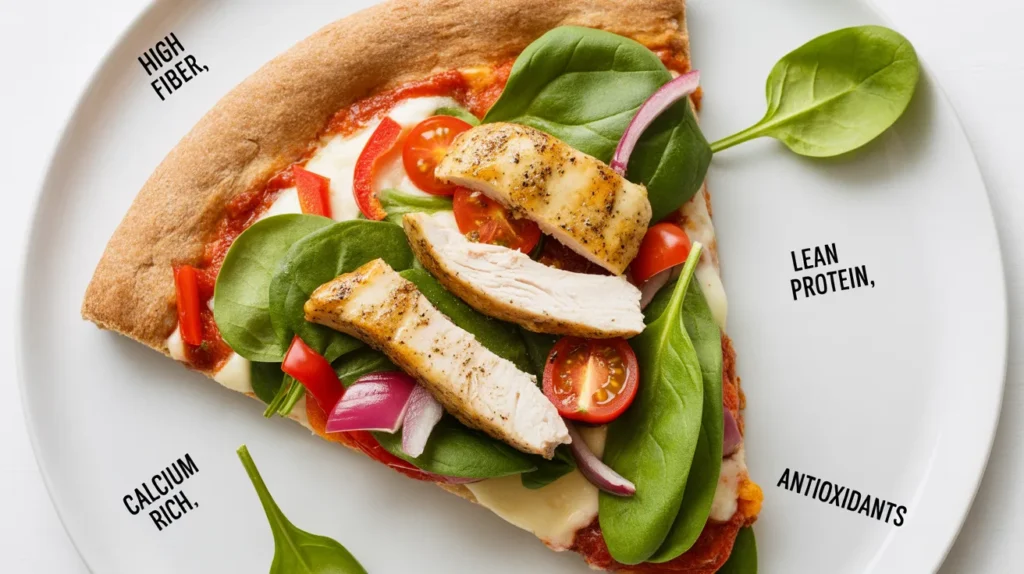
Pizza can provide protein and calcium, especially from cheese. When topped with vegetables, it offers fiber and antioxidants. These vegetable pizza benefits help balance the meal.
A slice can fit into a balanced diet and pizza approach when eaten wisely. Choosing lean protein pizza with chicken or beans improves nutrition while lowering fat content.
When Pizza Can Actually Be a Healthy Choice
Unhealthy pizza doesn’t sound that easy. Pizza can feel less like a guilty pleasure and more like a well-balanced meal when the proper ingredients are used.
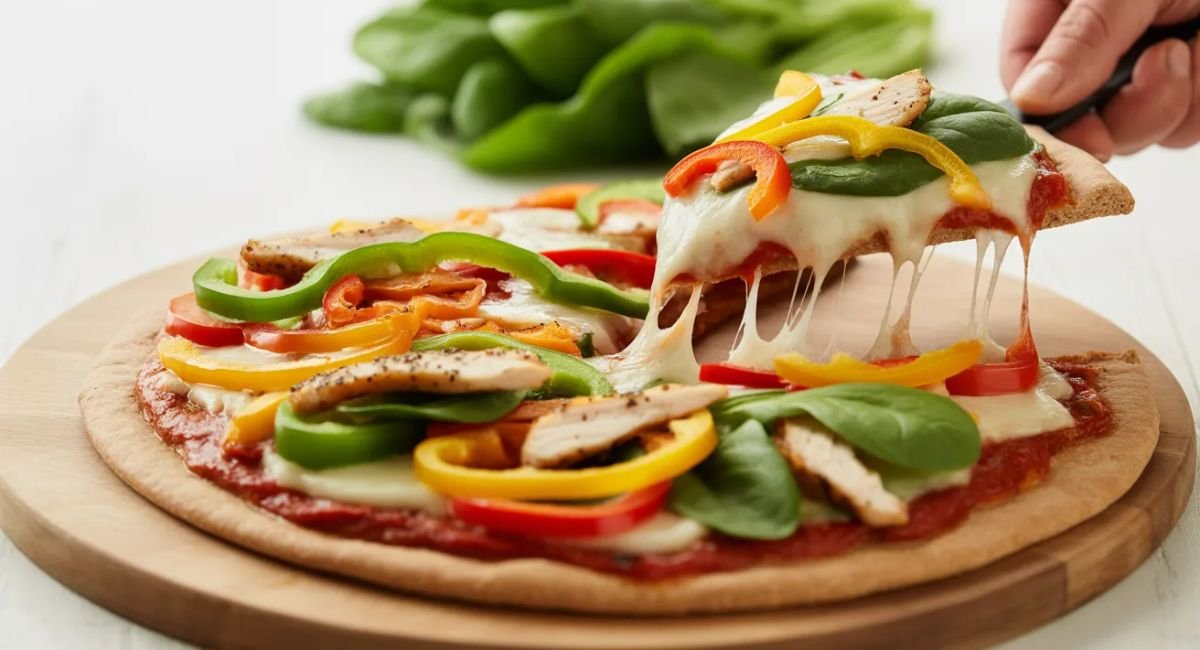
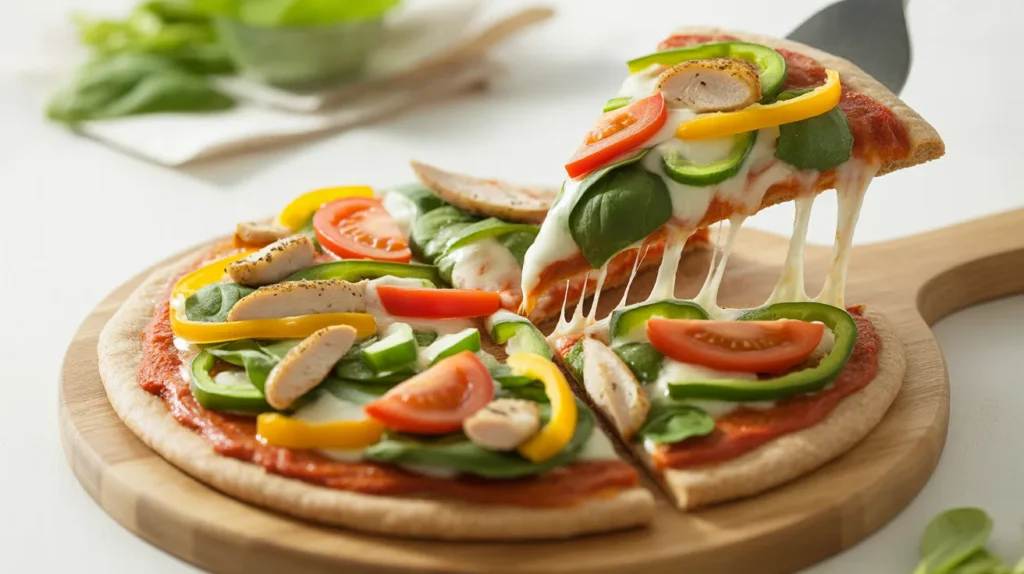
To cut down on refined carbohydrates and boost fiber, start with a thinner or whole-grain crust. Next, top with nutritious pizza ingredients like spinach, peppers, tomatoes, or mushrooms. Instead of empty calories, these provide true vegetable pizza benefits and add nutrients. To make a tasty lean protein pizza, replace fatty meats with grilled chicken or beans.
Different Types of Pizza and Their Health Impact
Not every pizza is created equal. Pizza from fast food typically has more fat and sodium content. Better ingredients and fewer preservatives are frequently used in homemade or artisanal versions.
The style of crust is also important. Pizzas with thin and thick crusts demonstrate how thickness affects calorie content. In general, deep dish has more dough and fat than thin crust, which has fewer carbohydrates.
How to Make Pizza Healthier
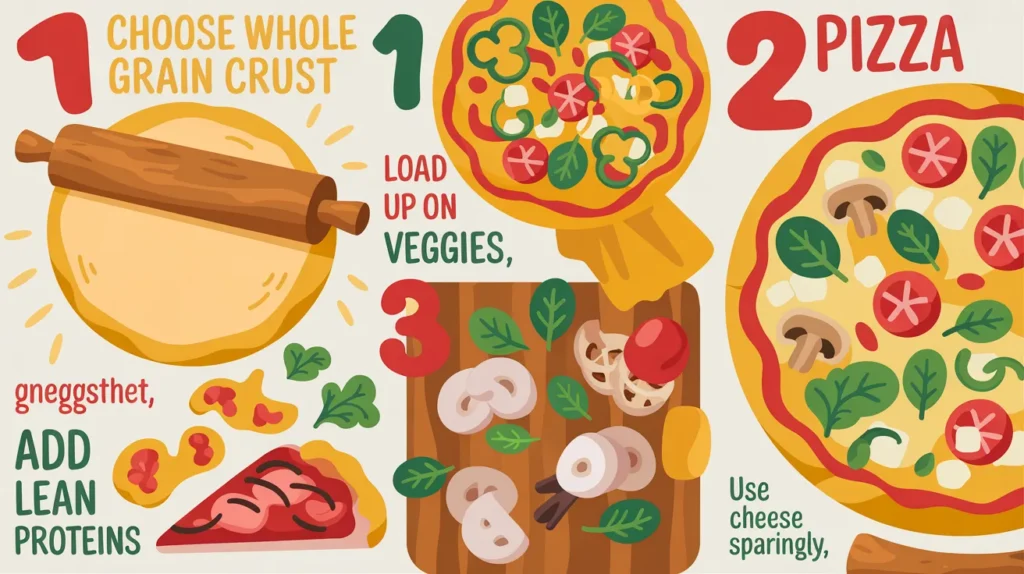
Pizza may be improved by altering the ingredients. Start with thin crust or whole wheat pizza crust. This increases fiber and decreases refined carbohydrates.
Then, for additional nutrients, add vegetables. Make use of nutritious pizza toppings such as mushrooms, tomatoes, and spinach. To make a low-protein pizza that encourages pizza in moderation, swap out processed meats for chicken.
Simple Healthy Pizza Swaps Anyone Can Make
Choose low-fat cheese options instead of heavy cheese. Try low-sodium pizza options in sauces. These simple swaps turn pizza into one of the more nutritious pizza alternatives.
Portion Control: How Much Pizza Is Too Much?
The right portion size for pizza depends on your age and activity level. Most adults do well with one or two slices and a salad. This keeps calories under control and supports pizza portion control.
Eating pizza every day may increase pizza and weight gain. Instead, enjoy it once or twice a week. Pair it with vegetables to support healthy eating habits.
Healthy Pizza Portion Guidelines for Adults and Kids
Children usually need smaller portions. Adults can balance pizza with lean proteins and salads. This approach supports a balanced diet and pizza without harming health.
Homemade vs. Restaurant Pizza: Which Is Better?
Homemade pizza gives full control over ingredients. You can choose fresh vegetables, lean meats, and less cheese. This reduces pizza health risks and improves nutrition.
Restaurant pizza often contains more salt and fat. Many chains use processed ingredients, which affect pizza nutrition facts. Cooking at home supports homemade pizza benefits and better eating habits.
Why Homemade Pizza Is Often the Healthier Choice
A homemade pizza recipe lets you choose fresh ingredients, control saturated fat in pizza and sodium, and add lean protein pizza and vegetables for a nutritious, safer meal. It’s a tasty way to enjoy pizza in moderation without the usual pizza health risks.
Can Pizza Fit Into a Healthy Diet?
So, is pizza always bad for you? Not at all. When pizza is prepared with subpar ingredients or consumed in excess, it becomes harmful. Pizza can fit into a balanced lifestyle if you pay attention to sensible toppings and amount sizes.
Pizza should be viewed as a special occasion treat. Select lean proteins, veggies, and healthy crusts. You can preserve both pizza and heart health while still enjoying the flavor when you eat it in moderation.
Quick Tips to Enjoy Pizza Without Compromising Health
To cut down on refined carbohydrates and increase fiber, opt for a thin crust pizza instead of a thick one or a whole wheat pizza crust. Choose lean protein pizza over processed meats and top your slice with nutritious toppings like veggies. To promote good eating practices and a balanced diet and pizza, watch how much you consume, eat it in moderation, and eat it with a salad or fruit.