
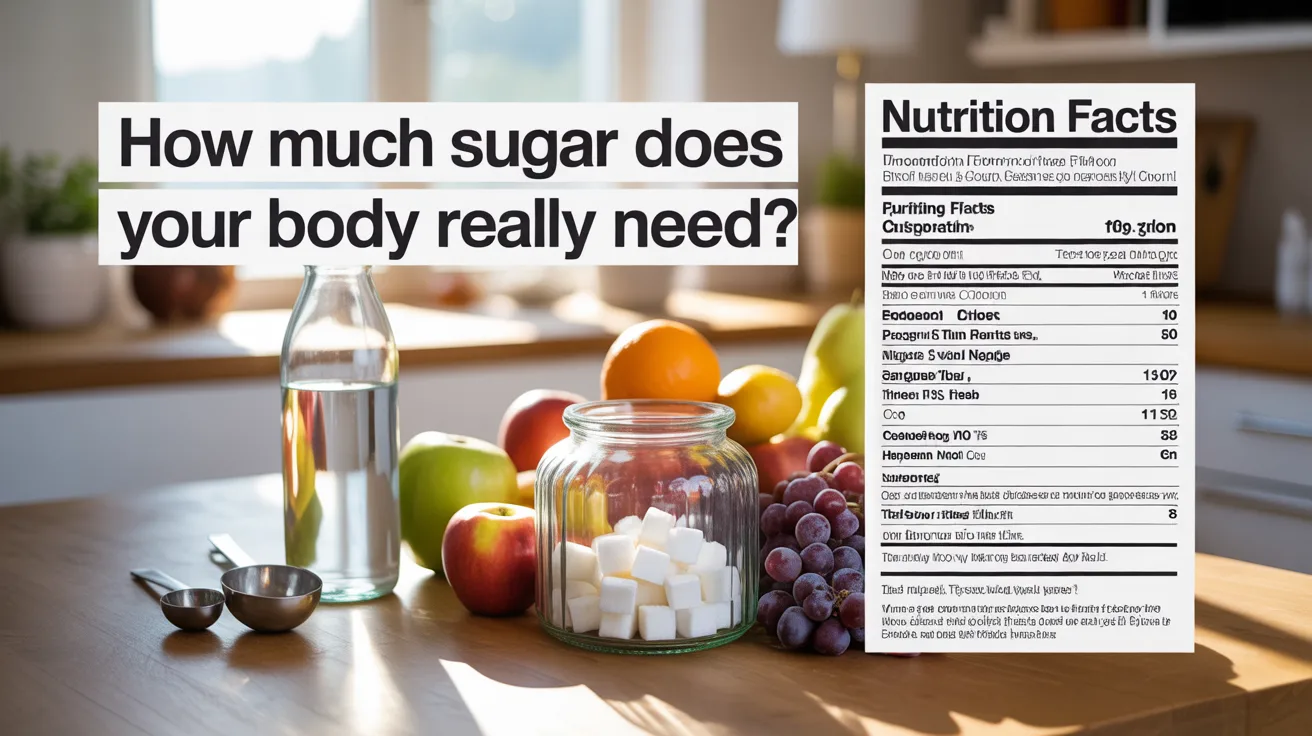
Sugar has quietly become one of the biggest players in modern health problems. It slips into your morning cereal, hides in your favorite soda, and even sneaks into foods you would never expect. The surprising truth is simple: your body does not need added sugar at all.
That may sound hard to believe because sugar feels almost inseparable from daily life. However, once you understand how the body actually creates energy, the picture becomes much clearer. Let’s walk through it in a simple and realistic way.

The Surprising Truth: Your Body Needs Zero Added Sugar
How Much Sugar Per Day Should You Consume?
Here’s the first thing most people get wrong.
When someone asks, “How much sugar does the body need?” The answers are often inconsistent. Some say five grams. Others guess a few teaspoons. In reality, the amount of added sugar your body needs is zero grams. There is no such thing as an essential sugar. In nutrition, there are essential nutrients like healthy fats and amino acids, which your body must get from food. However, there is no essential refined sugar or essential carbohydrate.
Your body still needs energy, but it is smart enough to make its energy on its own. It can convert protein and dietary fat into glucose when needed. This means your body can function well even if you stop eating added sugar.
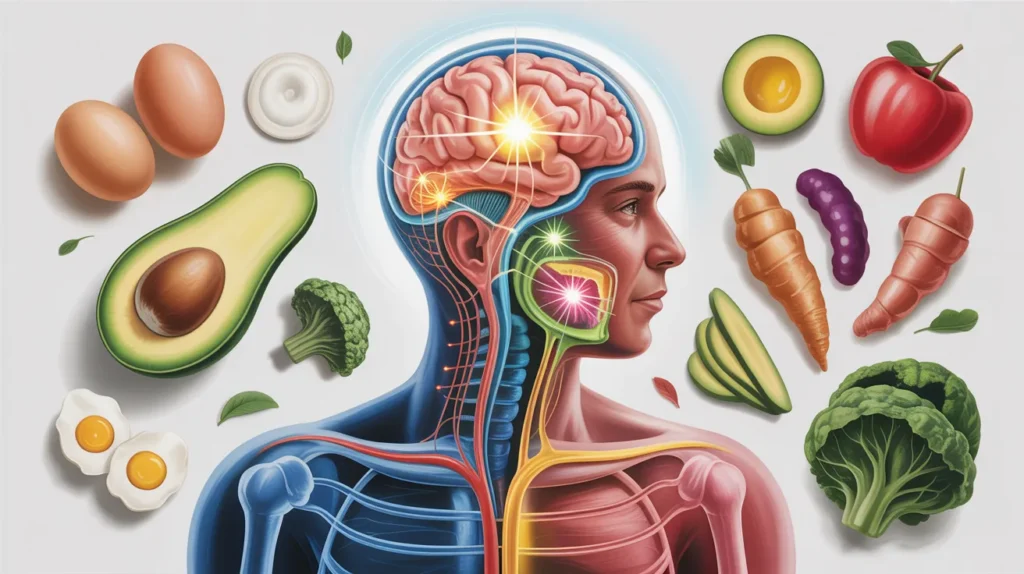
There is no such thing as an essential sugar.
In nutrition, we have essential nutrients, like fatty acids and amino acids, that the body must acquire from food. Yet there is no essential refined sugar or essential carbohydrate. That means your body can function perfectly well without candy, soda, or table sugar.
There is no such thing as an essential sugar. In nutrition, there are essential nutrients like healthy fats and amino acids, which your body must get from food. However, there is no essential refined sugar or essential carbohydrate.
Your body still needs energy, but it is smart enough to make it on its own. It can convert protein and dietary fat into glucose when needed. This means your body can function well even if you stop eating added sugar.
Why We Still Eat Carbohydrates
Now, this conclusion does not mean all carbohydrates are bad.
Healthy carbohydrates from vegetables, fruits, and whole foods are still important because they provide fiber, vitamins, and trace minerals your body needs every day.
Think of fiber as food for your gut.
The beneficial microbes living in your digestive system thrive on fiber, especially from vegetables. These microbes support digestion, immunity, and even mood balance.
So while your body does not need added sugar, it absolutely benefits from nutrient-rich carbohydrates.

Your Body Can Run Without Sugar
Here’s where it gets fascinating.
Your body is remarkably adaptable.
If you stop eating sugar, it can still create the glucose it needs. It does so by converting dietary protein and healthy fats into usable fuel.
Even more intriguing, your body can switch to burning stored fat for energy.
That means when sugar intake drops, fat often becomes the body’s preferred fuel source. This is why reducing sugar can support better weight management and steady energy levels.
How Much Sugar Is Actually in Your Blood?
This part surprises almost everyone.
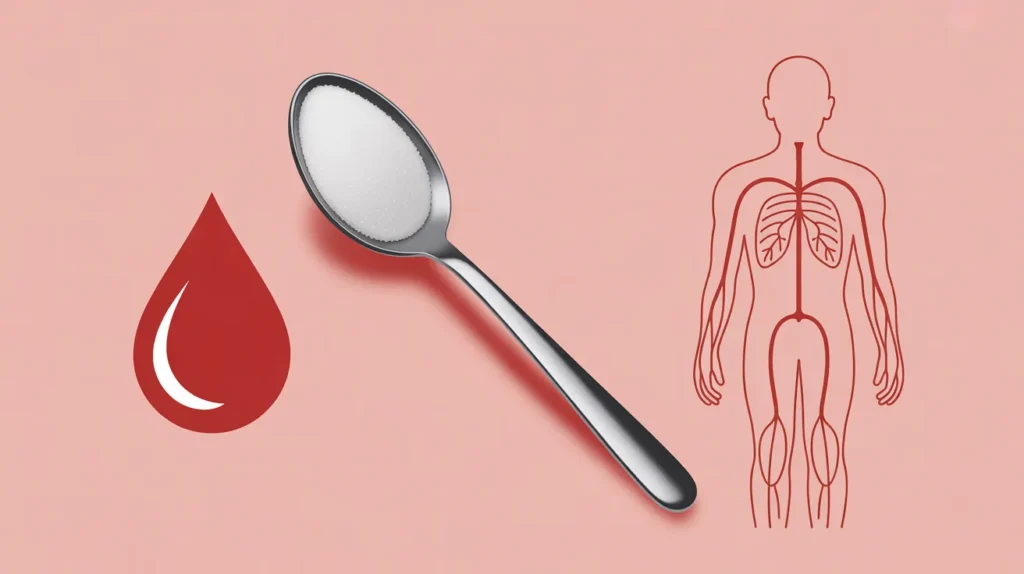
A normal blood sugar level usually ranges around 90 to 100 mg/dL.
In everyday terms, that equals roughly one teaspoon of sugar in your entire bloodstream. Just one teaspoon. Considering the body contains around one and a half gallons of blood, that’s a tiny amount. It shows how little glucose is needed at any given moment.
And importantly, that glucose does not need to come from sweets.
Your body can naturally produce it from the food you eat.
The Modern Problem: We Consume Far Too Much Sugar
Now, pause for a moment and compare that tiny one teaspoon of sugar your body normally needs with what many people actually consume each day.
The difference is staggering.
On average, many Americans consume around 150 to 156 pounds of sugar every year. When you break that down, it works out to roughly 20 to 31 teaspoons of added sugar per day. That is far more than what the body truly requires to function.
The numbers can climb even higher for teenagers, especially boys between 14 and 18 years old, who often consume large amounts of sugar through soft drinks, energy drinks, sweetened cereals, and sugary snacks. In some cases, their intake can reach 35 teaspoons a day.
That amount is dramatically higher than what health experts recommend.
According to the American Heart Association, the daily limit for added sugar should be around 6 teaspoons for women and 9 teaspoons for men.
When you compare those guidelines with the average daily intake, it becomes clear just how much excess sugar has become a normal part of the modern diet.
That means many people are consuming three to five times more than the healthy limit
Sugar: The Triple Threat
Sugar is often called a triple threat for good reason.
First, it sharply increases daily calorie intake.
Second, it offers almost no nutritional value.
Third, it often replaces healthier foods because it satisfies cravings quickly.
In simple terms, sugar fills you up without truly nourishing you.
That’s why many experts refer to it as empty calories.
It energizes fast, but the body gets very little in return.
Why Too Much Sugar Harms Insulin
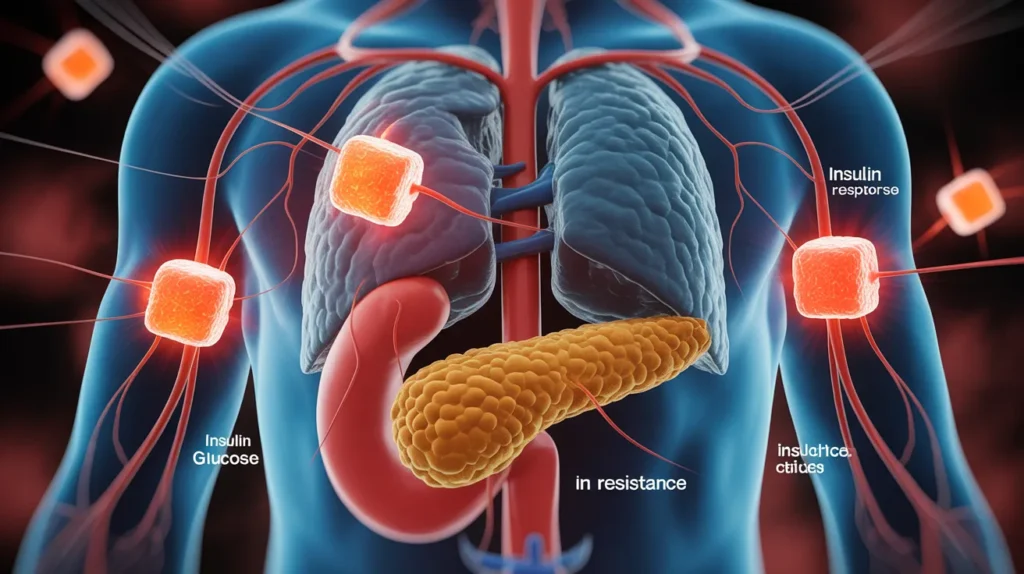
Every time you consume sugar, your body releases insulin, the hormone responsible for moving glucose into your cells.
However, when sugar intake stays consistently high, the body may become less responsive to insulin.
This is known as insulin resistance.
Think of it like a doorbell being pressed too often.
Eventually, the system stops responding as efficiently.
This is where many chronic health problems begin.
Diseases Linked to Excess Sugar and Insulin Problems
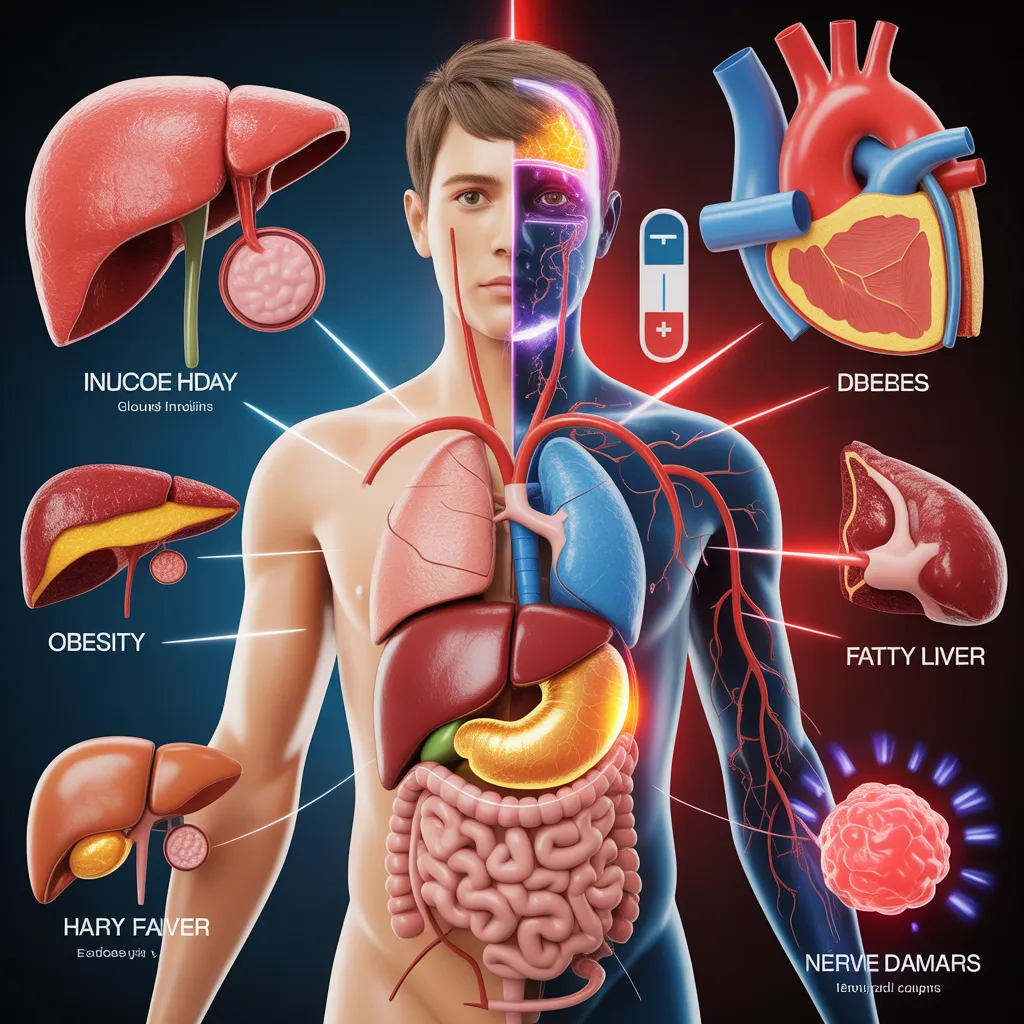
Excess sugar does far more than increase body weight.
Long-term high sugar intake is strongly linked with:
- belly fat
- type 2 diabetes
- heart disease
- stroke
- high cholesterol
- clogged arteries
Excess sugar does far more than increase body weight.
Long-term high sugar intake is strongly linked with:
- belly fat
- type 2 diabetes
- heart disease
- stroke
- high cholesterol
- clogged arteries
Some researchers even associate severe insulin dysfunction with brain health issues like Alzheimer’s disease, sometimes informally called type 3 diabetes.
This is why reducing sugar is about much more than appearance.
It’s about protecting your future health.
Hidden Sugar Is Everywhere

- One of the greatest challenges is that sugar often hides under different names.
- When reading labels, watch for terms like:
- corn syrup
- fructose
- dextrose
- molasses
- cane syrup
- fruit concentrate
- These all represent forms of sugar.
- It also appears in everyday foods like:
- breakfast cereal
- flavored yogurt
- sauces
- packaged juices
- snack bars
- Sometimes foods marketed as healthy can still be packed with hidden sweetness.
Sugary Drinks: The Biggest Culprit
Soft drinks remain one of the largest sources of added sugar.
A single soda can contain 10 to 12 teaspoons of sugar.
That alone can exceed the daily recommended intake.
According to the American Heart Association, the suggested limit is
- 6 teaspoons for women
- 9 teaspoons for men
Therefore, consuming just one soda could potentially exceed your daily sugar intake.
Why sugary drinks are closely linked to weight gain and metabolic issues.
Easy Ways to Reduce Sugar Naturally

- The good news is that small changes can create powerful results.
- Start with beverages.
- Replace soda with:
- plain water
- sparkling water
- herbal tea
- lemon-infused water
- If plain water feels boring, add slices of orange, cucumber, or berries.
- After a few weeks, your taste buds begin to reset, and intense sweetness becomes less appealing.
- That shift can feel surprisingly liberating.
Better Sweet Alternatives

- If cutting sugar feels difficult, healthier alternatives can help during the transition. Options like stevia, monk fruit, and erythritol can provide sweetness without the same blood sugar spike.
- These can be useful stepping stones while you retrain your palate.
- The goal is not perfection overnight. It’s steady progress.
Final Thoughts
The truth is beautifully simple.
Your body does not need added sugar to survive.
What it truly needs is balanced nutrition, fiber-rich foods, healthy fats, quality protein, and real nourishment.
Even reducing your sugar intake by half can make a noticeable difference in energy, weight, and long-term health.
Sometimes the sweetest thing you can do for your body is simply give it less sugar.