
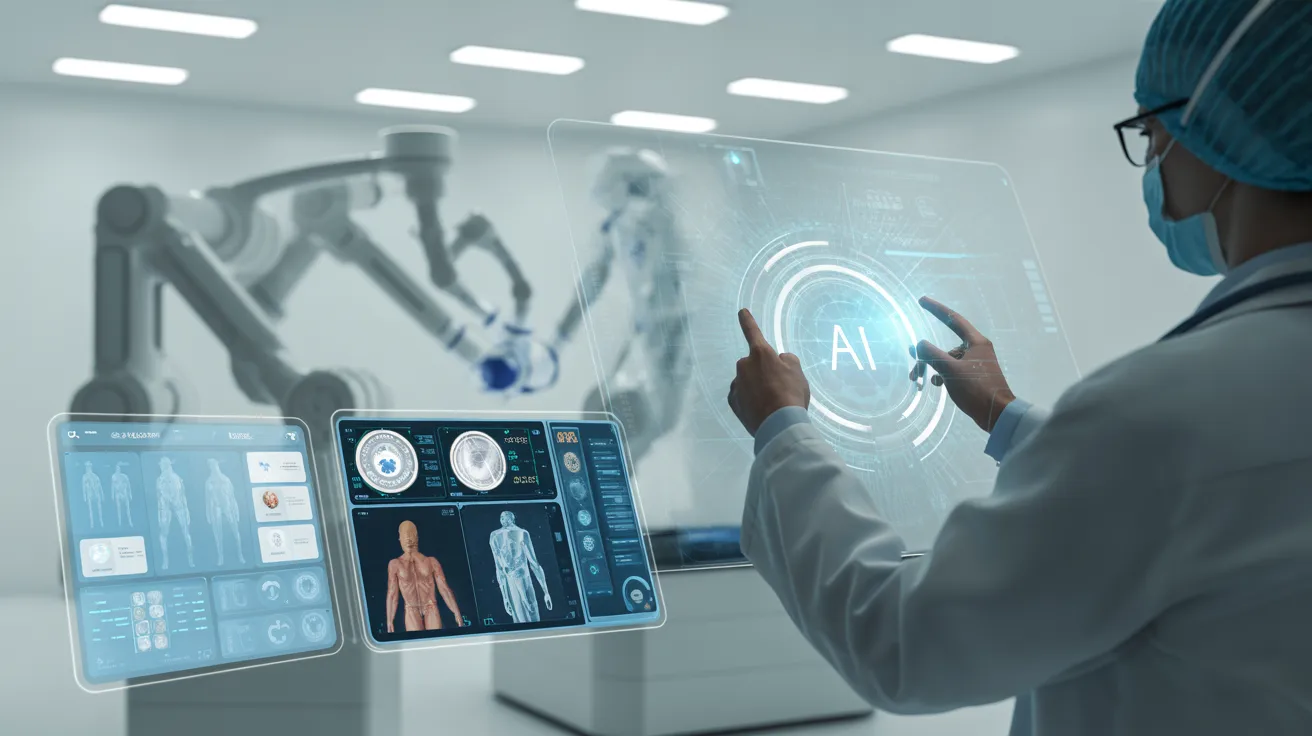
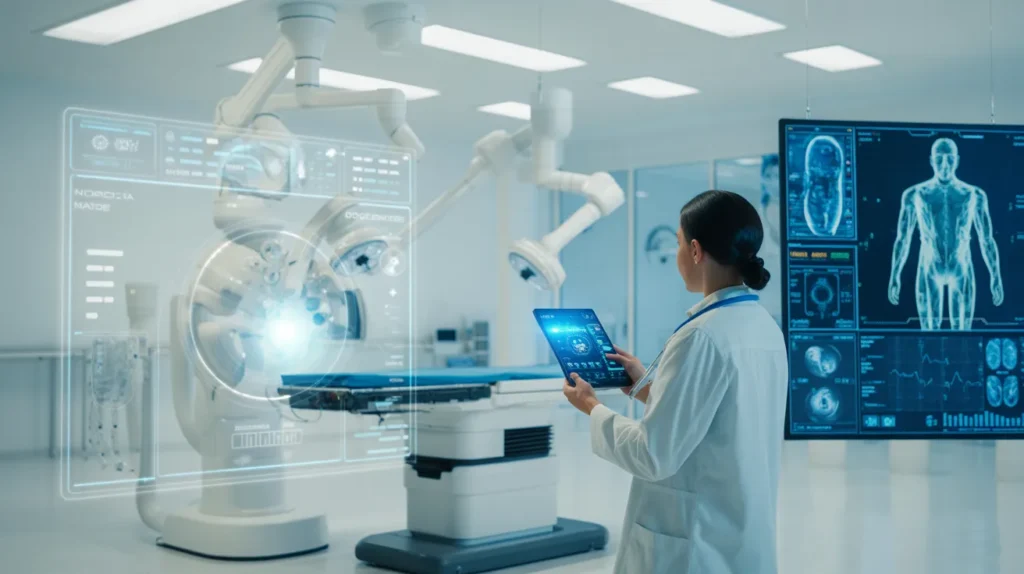
Artificial intelligence is improving present-day medical care and shaping the future of healthcare systems worldwide. Hospitals now use AI-powered diagnosis tools, predictive analytics, and smart monitoring systems to detect health risks before symptoms become severe. This proactive approach helps doctors intervene earlier, improving survival rates and reducing treatment costs. AI Is Changing the Future of Healthcare.
AI is also making personalized medicine more effective. By analyzing a patient’s medical history, genetics, lifestyle habits, and current symptoms, AI systems can recommend customized treatment plans. This level of precision medicine improves recovery outcomes and reduces unnecessary medication use.
Real-World Uses of AI in Healthcare
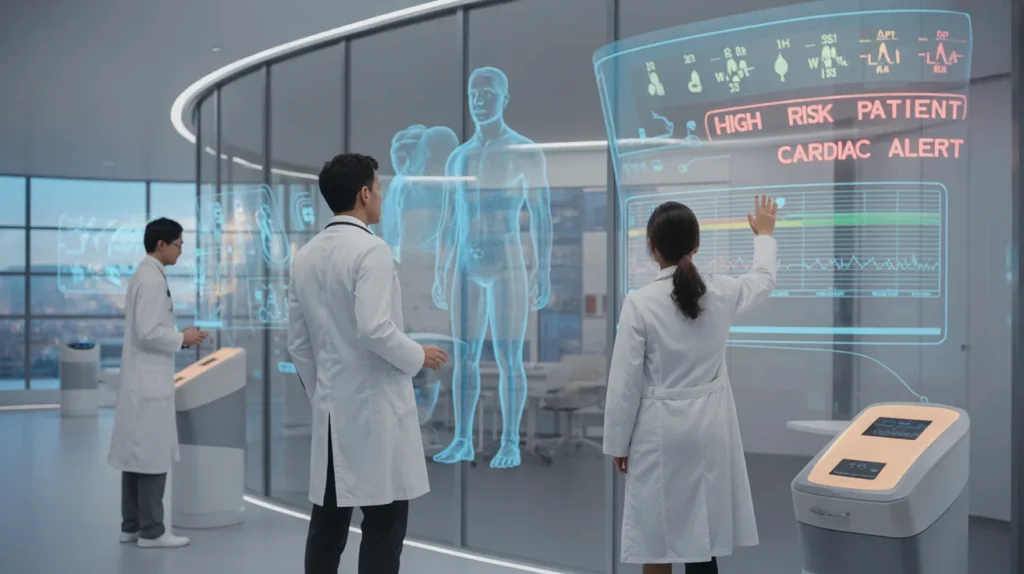
Today, AI is already being used in many real healthcare environments.
In summary, the impact of technology cannot be overstated. AI Is Changing the Future of Healthcare.
For example, hospitals use AI for:
- early cancer detection
- heart disease risk assessment
- medical image interpretation
- remote patient monitoring
- virtual health assistants
- automated prescription management
Wearable devices such as smartwatches also rely on AI to track heart rate, sleep quality, oxygen levels, and daily activity, helping users monitor their health in real time.
Key Benefits at a Glance
| AI Application | Main Benefit |
| Robotic surgery | High precision and less blood loss |
| Medical imaging | Faster and accurate diagnosis |
| Drug discovery | Reduced research time |
| Virtual nursing | 24/7 patient support |
| Wearable monitoring | Real-time health tracking |
| Administrative automation | Reduced paperwork |
Benefits of Artificial Intelligence in Health Care
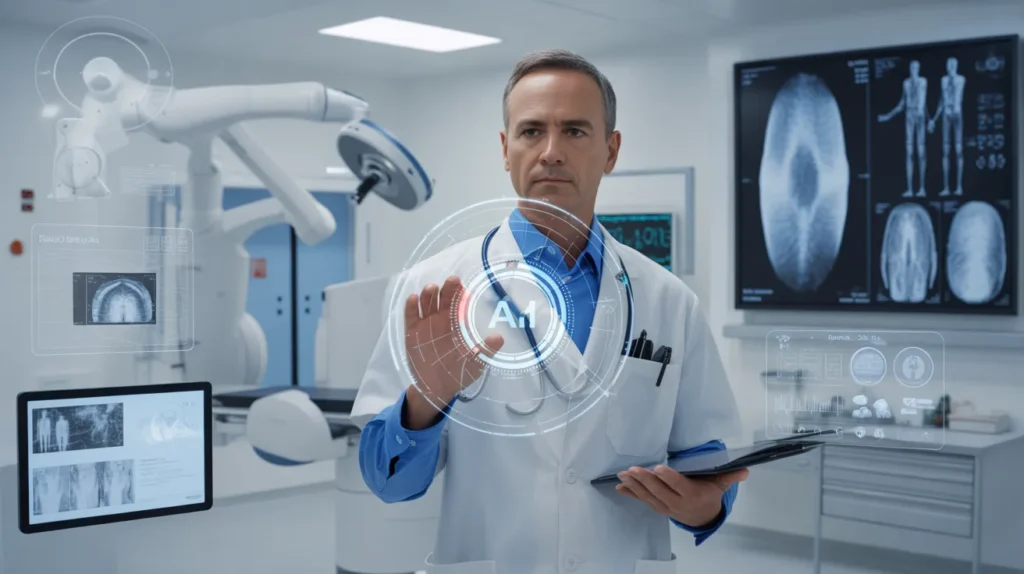
The history of the word “disease” goes back to the 16th century. However, diseases have existed since the beginning of life, and healthcare technology has always needed to evolve to match the speed at which these diseases develop and become more aggressive. In modern times, one of the most powerful tools helping the medical field keep pace is artificial intelligence in healthcare. AI in medicine is transforming diagnosis, treatment, research, and patient care by improving speed, precision, and accessibility.
With the development of advanced analytical and computing techniques and the massive growth of healthcare data analytics in medical organizations, AI now has numerous potential applications in medicine. The following are some of the most important benefits of AI in healthcare.
1. Surgery
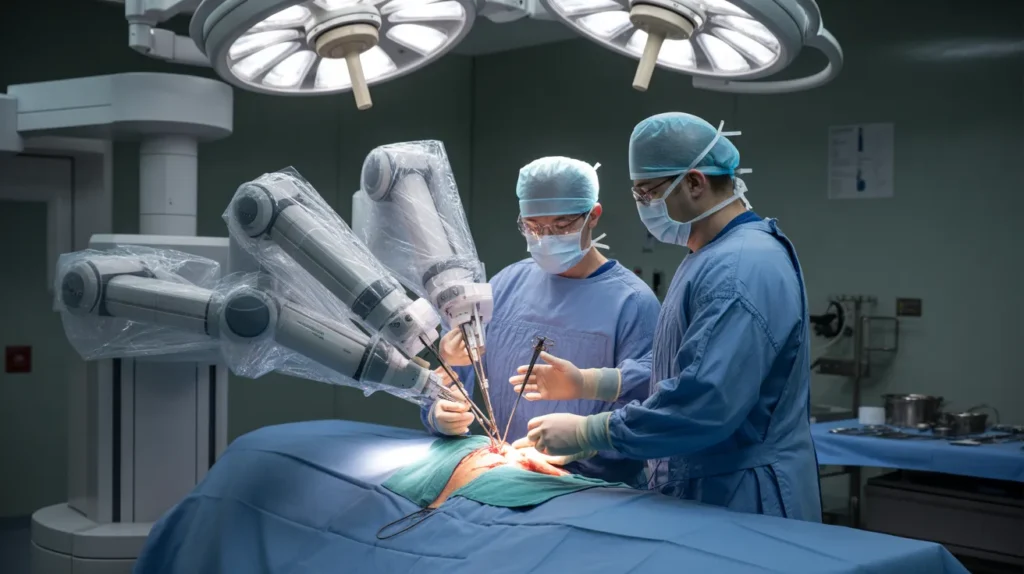
Artificial intelligence has contributed greatly to the success of robotic-assisted surgery. With advancements in healthcare technology, robotic systems can assist surgeons in performing delicate operations. While the surgeon still controls the robot, it can execute micro-dissections and reach tiny areas that human hands may struggle to access.
Robotic arms can carry out intricate procedures on organs such as the brain and heart with remarkable accuracy. This AI-powered diagnosis and treatment support has been shown to reduce complications and minimize blood loss during surgery. Additionally, data from robotic procedures can be stored digitally, which helps improve surgeon education and training.
2. Medical Imaging
AI solutions used in medical imaging assist with labor-intensive image analysis and case prioritization. These systems help radiologists detect critical cases more quickly and make more accurate diagnoses while reducing the chances of human error.
Clinical trials often generate immense volumes of medical images and data. AI algorithms in medicine can analyze these large datasets, identify patterns, and reveal hidden relationships within medical records. This significantly accelerates the process for imaging specialists and supports faster disease detection.
3. Diagnosis and Treatment

For more than fifty years, disease diagnosis, AI, and treatment have been central areas of AI development in health care. Early rule-based systems were able to diagnose and treat certain diseases effectively, but they lacked the advanced capabilities seen today.
Modern medical software solutions now offer AI healthcare applications that help physicians diagnose illnesses and create more accurate treatment plans. These tools improve clinical decision-making and enhance patient outcomes across different specialties.
4. Accelerated Drug Development
Traditional methods of developing new medicines are often expensive and time-consuming. This process creates a major challenge, especially during global health emergencies.
AI helps accelerate drug discovery and development by analyzing vast amounts of biological and chemical data. This makes AI in drug development one of the most revolutionary uses of modern healthcare technology. It significantly reduces the time and cost required to develop life-saving medications.
5. Expanding Access to Health Care
Many regions of the world suffer from a shortage of trained medical professionals such as radiologists and ultrasound technicians. This shortage limits access to essential healthcare services.
AI can help overcome this challenge through remote healthcare services and smart healthcare solutions. For example, AI medical diagnosis tools can analyze chest X-rays and detect conditions like tuberculosis with high accuracy, even in underdeveloped areas.
6. Clinical Decision Making

Artificial intelligence can reduce the time and resources required to assess and diagnose patients. Machine learning in healthcare can identify risks and warning signs faster than traditional methods.
These systems process large volumes of electronic health records and clinical data, helping doctors make better clinical decisions. This leads to improved patient care and faster treatment.
7. Data Collection and Administrative Tasks
Doctors spend a significant amount of their time on documentation instead of providing direct patient care. Healthcare automation allows AI systems to manage tasks such as billing, claims processing, appointment scheduling, and medical record management.
This improves healthcare workflow optimization and frees healthcare professionals to focus more on patients.
8. Real-Time Data and Monitoring
AI can analyze real-time health monitoring data collected through wearable health devices and smartphones.
Such as heart rate, blood pressure, physical activity, and sleep patterns are tracked continuously. This predictive healthcare analytics approach helps improve preventive care, reduce hospital wait times, and lower medical costs.
9. Virtual Nursing Assistance
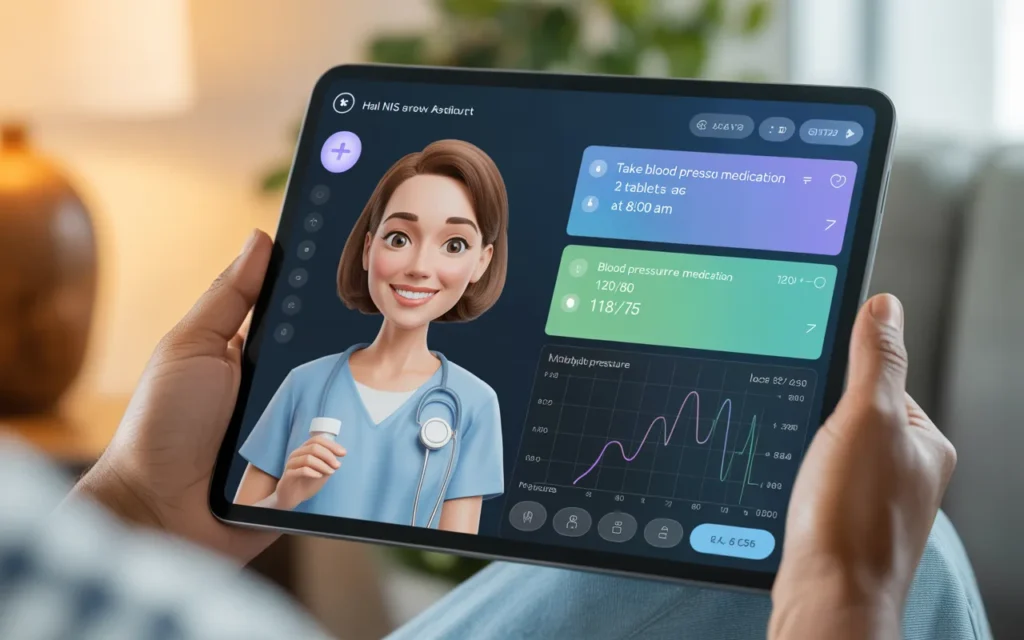
AI enables virtual nursing assistants that monitor patients remotely and provide support 24/7.
These systems track patient monitoring data, such as medication use, weight, blood pressure, and lifestyle habits. This is especially useful for chronic disease monitoring and long-term care management.
10. Medical Research
AI plays a major role in medical research technology by allowing scientists to gather and analyze enormous datasets from multiple sources.
The use of AI-driven medical research helps accelerate scientific discoveries, supports new treatment development, and improves the study of complex diseases.
Conclusion
Artificial intelligence is revolutionizing modern healthcare by improving diagnosis, treatment, surgery, research, and patient monitoring. From AI-powered medical imaging to virtual nursing assistants, its role continues to expand across every part of the medical field.
As healthcare technology continues to evolve, AI will play an even greater role in delivering faster, smarter, and more personalized medical care. Its ability to analyze data, reduce errors, and improve patient outcomes makes it one of the most valuable innovations in modern medicine.
1. What are the main benefits of artificial intelligence in healthcare?
The main benefits include faster diagnosis, improved treatment planning, robotic surgery support, drug development, real-time monitoring, and reduced administrative workload. AI helps healthcare professionals make more accurate decisions and improves patient outcomes.
2. How does AI help doctors in diagnosis?
AI helps doctors by analyzing large volumes of medical data, symptoms, and imaging scans quickly. It can identify patterns that may be difficult for humans to detect, leading to earlier disease detection and more accurate diagnoses.
3. Can AI replace doctors in healthcare?
No, AI is designed to assist doctors, not replace them. It supports medical professionals by improving efficiency, reducing human error, and providing data-driven insights. Trained healthcare experts still make final medical decisions.
4. How is AI used in surgery?
AI is used in surgery for predictive analytics, robotic-assisted surgeries, image analysis, surgical planning, and real-time data integration.