
Table of Contents
Mindfulness Techniques to Alleviate Anxiety
Introduction
Modern life feels like carrying a backpack filled with invisible bricks. Notifications buzz endlessly, deadlines pile up, and anxious thoughts sneak in at midnight. That is exactly why mindfulness techniques to alleviate anxiety have become powerful tools for emotional survival. They help your mind stop sprinting like a hamster on caffeine.
Instead of battling every stressful thought, mindfulness teaches you how to observe emotions calmly. Surprisingly, your brain softens when you stop wrestling with fear. These mindfulness exercises and stress management techniques create space between you and anxiety, helping you feel emotionally lighter and mentally clearer.
1. Mindful Breathing
Breathing sounds ordinary until anxiety hijacks it. Suddenly your chest tightens, breathing becomes shallow, and your nervous system starts sounding alarm bells. However, mindful breathing acts like a reset button for the brain, supporting anxiety relief and emotional regulation almost instantly.
How to Practice
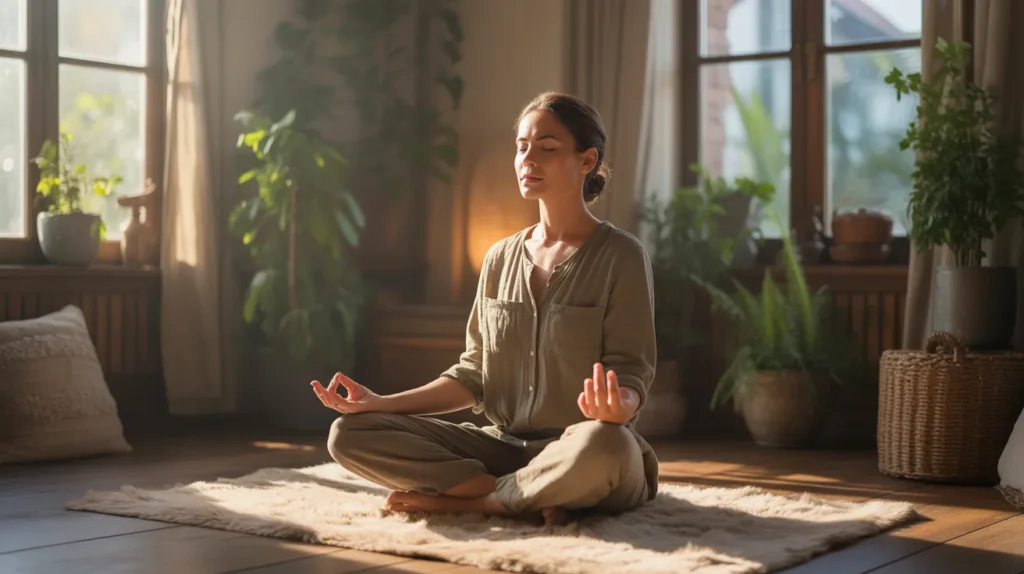
Sit somewhere quiet and comfortable. Close your eyes gently, then take slow, deep breaths. Focus completely on the sensation of inhaling and exhaling. Notice your chest and stomach rising naturally. Even one mindful minute can calm racing thoughts faster than most people expect.
Another fascinating detail often ignored is how controlled breathing affects your vagus nerve. This nerve helps regulate stress responses inside the body. According to Harvard Health, mindful breathing may improve emotional resilience and mental clarity over time.
2. Body Scan Meditation
Stress rarely stays trapped inside the mind alone. It quietly settles into shoulders, neck muscles, jaws, and even fingertips. Body scan meditation uncovers hidden tension while improving body awareness and mind-body connection in surprisingly powerful ways.
How to Practice
Lie down comfortably or sit upright. Start noticing sensations in your toes and then slowly move upward through your body. Observe tightness, stiffness, or discomfort without trying to fix anything. This simple awareness often helps muscles relax naturally.
Think of your body like a cluttered attic. You cannot clean it properly until you switch on the light. Body scanning works similarly. It reveals emotional stress hiding beneath the surface while helping your nervous system unwind gradually.
3. Mindful Observation
Your brain spends most days jumping between distractions like a squirrel chasing shiny objects. Mindful observation interrupts that chaos beautifully. This calming practice strengthens mental focus and present-moment awareness while quieting anxious mental chatter.

How to Practice
Choose something natural nearby, like a flower, stone, or leaf. Study its color, texture, shape, and patterns carefully. Keep your attention completely fixed on that object for several moments.
Suddenly, tiny details become fascinating. You notice delicate lines, shades, and imperfections previously ignored. This simple shift grounds your attention in reality instead of spiraling through future worries.
4. Mindful Listening
Anxiety often creates loud internal noise. Thoughts crash around the mind like thunder during a storm. Mindful listening softens that chaos by reconnecting you with external sounds and improving mental clarity and sensory awareness.
How to Practice
Close your eyes and listen carefully to surrounding sounds. Notice birds, fans, distant traffic, footsteps, or rustling leaves. Avoid labeling sounds as annoying or pleasant. Simply hear them fully.
Interestingly, this exercise trains your brain to become less reactive. Instead of instantly judging experiences, you learn how to observe calmly. That emotional pause can feel incredibly freeing during stressful days.
5. Walking Meditation
Some people struggle sitting still because anxious energy keeps bouncing around inside them. Walking meditation solves that beautifully. It blends movement with mindfulness, creating stronger grounding techniques and deeper emotional balance.
How to Practice
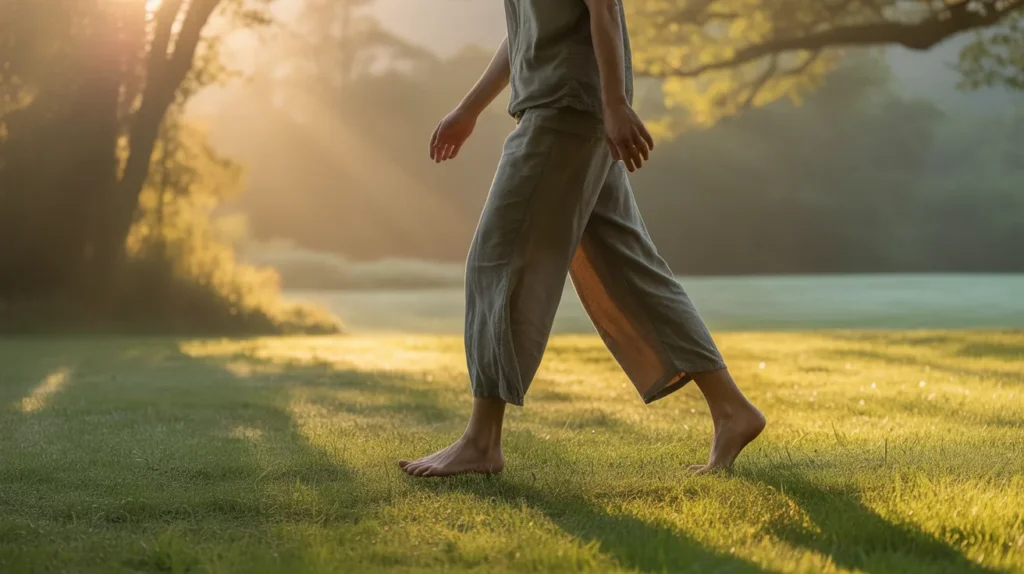
Walk slowly and deliberately. Pay attention to each step and feel the ground beneath your feet. Breathe naturally while staying aware of your body movements and surroundings.
Walking this way feels completely different from rushing through errands. Each step becomes intentional. Your mind slows down naturally almost like muddy water settling quietly inside a glass jar.
6. Mindful Eating
Most meals today happen beside glowing screens and endless distractions. Mindful eating changes ordinary meals into calming rituals that improve healthy eating habits and mindful nutrition while reducing emotional overeating.
How to Practice
Eat slowly without television, phones, or multitasking. Notice textures, flavors, aromas, and temperatures carefully. Appreciate where your food came from and how it nourishes your body.
A strawberry suddenly tastes sweeter when fully experienced. Even simple meals feel richer and more satisfying. That awareness helps prevent stress eating because your brain stays connected to hunger signals.
7. Progressive Muscle Relaxation
Mindfulness techniques to alleviate anxiety trap many people in silent physical tension all day long. Progressive muscle relaxation teaches your body how calmness actually feels while improving physical relaxation and stress reduction naturally.
How to Practice
Tighten one muscle group for several seconds, then slowly release it. Start from your feet and gradually move upward toward your face and shoulders.
The contrast between tension and relaxation feels surprisingly powerful. It resembles loosening a tight backpack after carrying it for hours without realizing how heavy it had become.
8. Visualization Technique
Your imagination can become either a prison or a peaceful escape route. Visualization redirects anxious thoughts toward soothing mental imagery while encouraging guided imagery and mental relaxation.
How to Practice
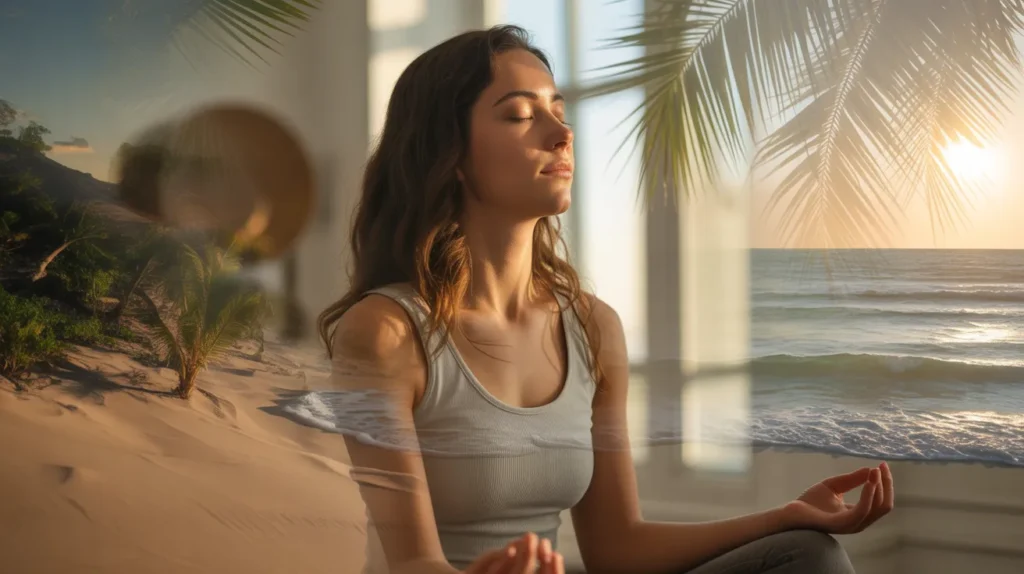
Close your eyes and imagine a peaceful environment vividly. Picture beaches, forests, mountains, gardens, or quiet lakes. Engage every sense while imagining the scene.
For example, you might hear ocean waves, smell salty air, and feel warm sunlight touching your skin. The brain often responds to imagined peace almost as if it were physically real.
9. Gratitude Exercise
Anxiety trains your brain to hunt constantly for danger, problems, and uncertainty. Gratitude flips that mental habit upside down by strengthening positive thinking and emotional wellness.
How to Practice
Write down several things you appreciate each day. They can be meaningful experiences or tiny comforts like coffee, sunshine, or supportive conversations.
Gratitude works like adjusting a camera lens. Instead of zooming endlessly into problems, your attention slowly widens toward beauty, comfort, and hope already surrounding you.
10. Mindfulness Mantra
Words shape emotional states more deeply than people realize. Mindfulness techniques to alleviate anxiety become an emotional anchor during stressful moments while encouraging inner peace and self-soothing techniques.
Examples
- “I am present.”
- “I am safe.”
- “This moment is enough.”
Repeating calming phrases interrupts spiraling thoughts. Over time these words become a familiar emotional shelter during difficult situations and overwhelming anxiety episodes.
11. Grounding Exercise (5-4-3-2-1 Technique)
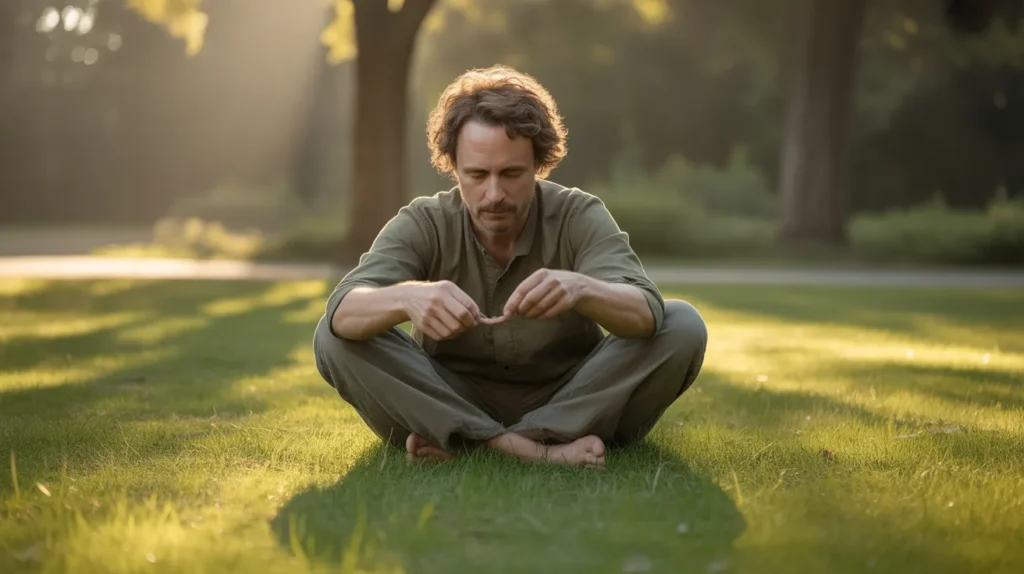
Panic attacks often pull people away from reality completely. Grounding exercises reconnect your attention with the present environment while improving panic relief and sensory grounding.
How to Practice
- Name 5 things you can see
- Name 4 things you can touch
- Name 3 things you can hear
- Name 2 things you can smell
- Name 1 thing you can taste
This technique interrupts fear spirals quickly. Instead of drowning inside anxious thoughts, your brain reconnects with physical reality through the senses.
12. Journaling for Mindfulness
Thoughts become heavier when trapped silently inside your head. Journaling creates emotional breathing room while improving self-reflection and emotional clarity.
How to Practice
Write freely without worrying about grammar, spelling, or perfection. Express emotions honestly and reflect on experiences calmly without self-judgment.
Many therapists compare journaling to mental decluttering. Once thoughts leave your mind and land on paper, they often feel smaller, less chaotic, and easier to understand.
13. Mindful Communication

Conversations become healthier when mindfulness enters the room. Instead of reacting impulsively, you begin listening more carefully while strengthening emotional intelligence and healthy relationships.
How to Practice
Listen attentively when others speak. Pause before responding emotionally and choose words thoughtfully during difficult conversations.
Mindful communication prevents misunderstandings because people finally feel heard instead of interrupted. Sometimes one calm pause changes the entire direction of a tense conversation.
Conclusion
Life will never become perfectly peaceful every single day. Stress, unexpected problems, and emotional turbulence still appear sometimes. However, mindfulness techniques to alleviate anxiety help you respond differently instead of feeling emotionally hijacked by every stressful moment.
The beautiful part is simplicity. You do not need expensive tools, mountain retreats, or complicated rituals. Mindfulness can happen while walking, breathing, eating, or listening quietly to rain outside your window. With consistency patience and awareness, your mind slowly becomes calmer, clearer, and far more resilient.
What are mindfulness techniques for anxiety?
Mindfulness techniques are calming practices that help you stay focused on the present moment instead of becoming trapped in anxious thoughts.
Can mindfulness reduce anxiety naturally?
Yes. Regular mindfulness exercises may improve emotional balance, reduce stress hormones, and calm racing thoughts naturally over time.
What is the easiest mindfulness exercise for beginners?
Mindful breathing is often considered the simplest and most effective starting point for beginners experiencing anxiety.
How long should mindfulness practice last daily?
Even five to ten minutes daily can provide noticeable mental wellness benefits when practiced consistently.
Does mindfulness help during panic attacks?
Yes. Grounding exercises, breathing techniques, and mindful awareness can help reduce panic symptoms and restore calmness quickly.