
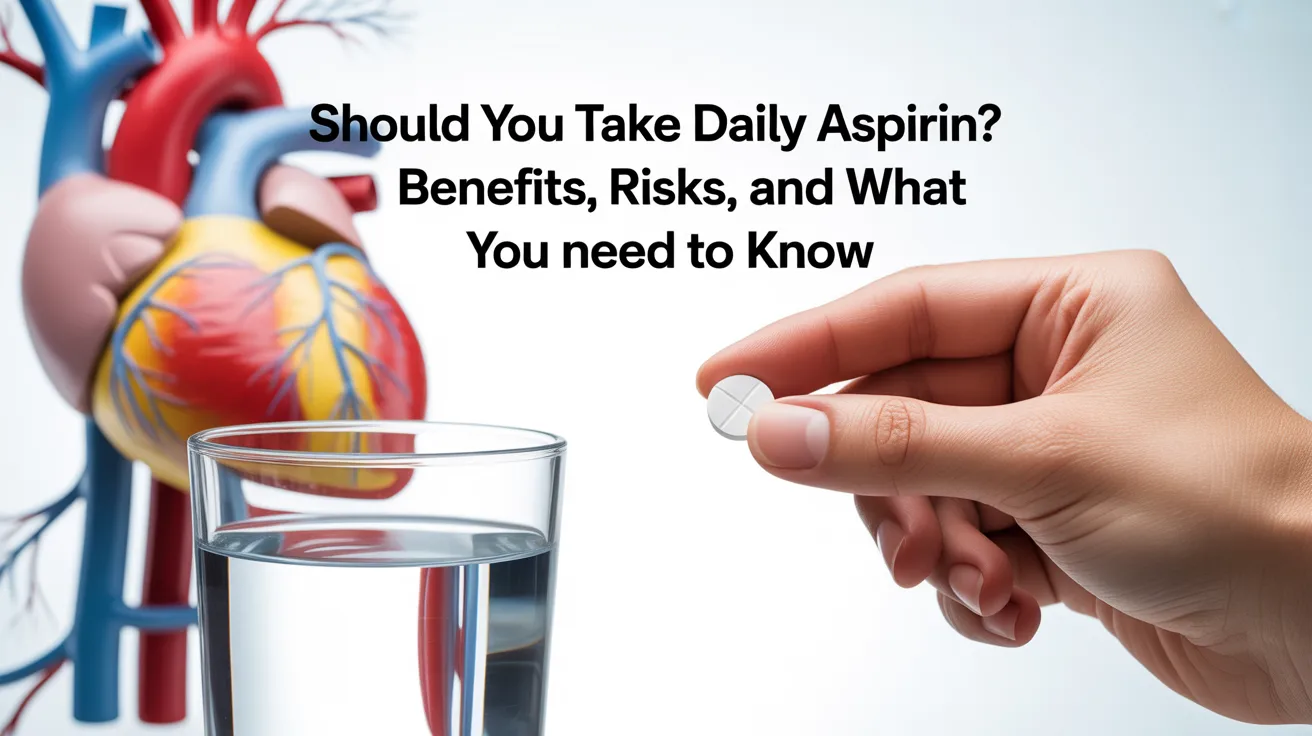
Many people still believe that taking one aspirin every day is a simple way to protect the heart. It sounds easy, almost like a daily ritual for good health. However, daily aspirin use is far more nuanced than most people realize, and what helps one person may quietly harm another. (American College of Cardiology)
For some, aspirin can be lifesaving. For others, it may increase the risk of internal bleeding, stomach ulcers, and even brain hemorrhage. The key is understanding when it truly helps and when it becomes an unnecessary gamble.
What Does “Thick Blood” Really Mean?
The phrase “thick blood” is common in everyday conversation, yet medically it is not an official diagnosis. Usually, people use it to describe poor circulation, dehydration, or a tendency for the blood to clot more easily. Think of it like honey moving through a straw compared to water.
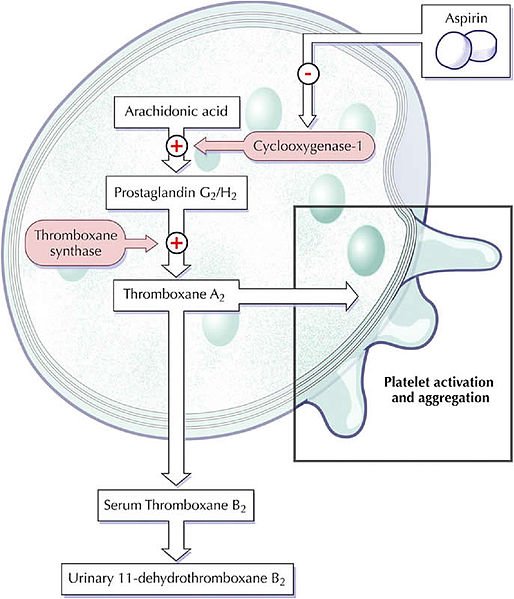
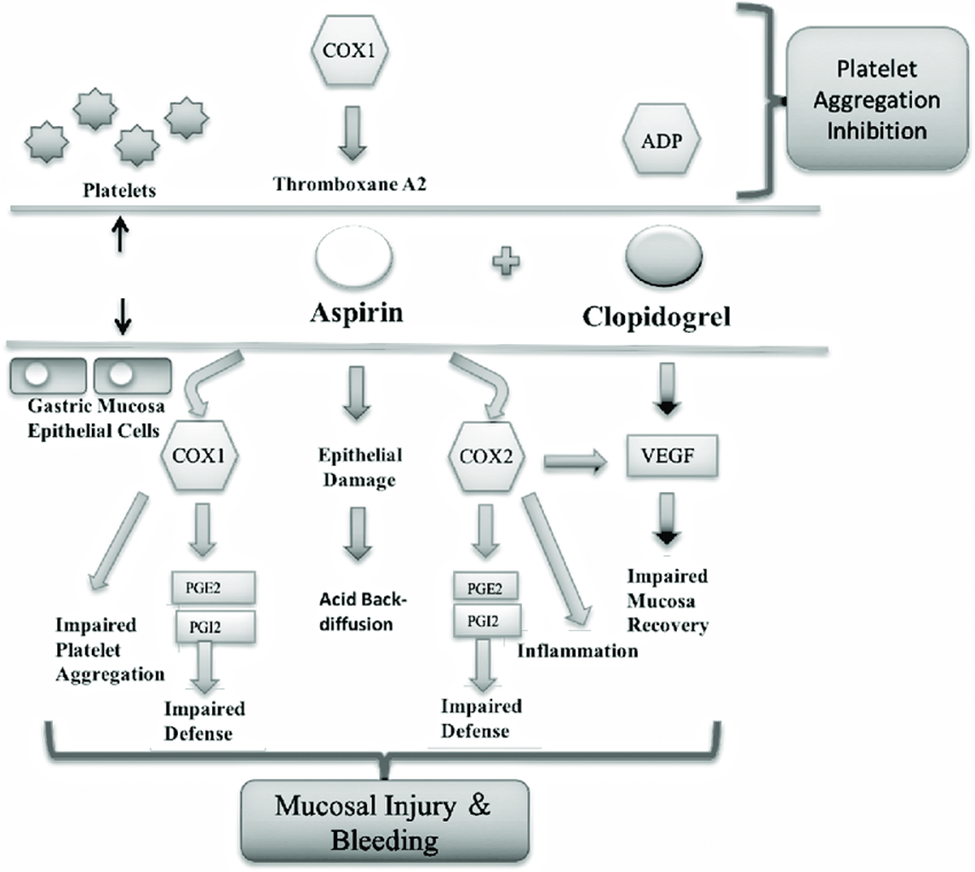
What often gets misunderstood is this: daily aspirin use does not literally make blood thinner. It does not dilute the blood. Instead, it affects how platelets behave, which is an entirely different biological process and one that matters greatly when discussing clot prevention.
How Aspirin Actually Works
Your body is brilliantly designed with its own emergency repair crew. When a blood vessel is damaged, tiny cells called platelets rush to the area and stick together to form a clot. This natural mechanism stops bleeding and protects tissues from further damage.
Aspirin works by reducing the “stickiness” of these platelets. In simple terms, daily aspirin use makes it harder for platelets to clump together. This can help prevent clot-related heart attacks and ischemic strokes, especially in high-risk individuals. (American College of Cardiology)
Why This Can Become Dangerous
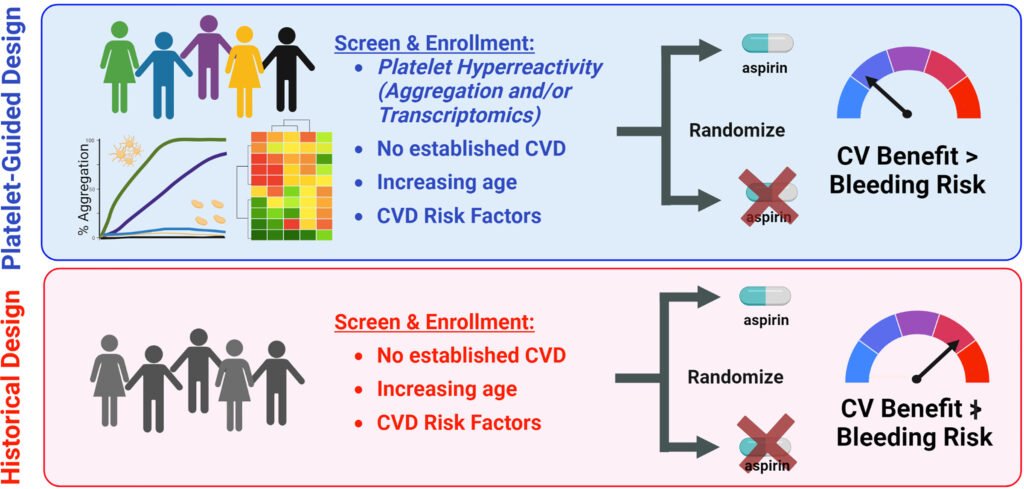
The same mechanism that helps prevent dangerous clots can also slow the body’s ability to stop bleeding. If bleeding starts in the stomach or brain, the repair response is weaker. That is why daily aspirin use must always be matched to a person’s actual medical risk.
Aspirin seems simple on the surface, yet its effects inside the body are anything but simple. The danger begins with how it interferes with your natural clotting system. Aspirin may sound helpful for preventing heart attacks, but it also removes one of your body’s most important safety mechanisms. That balance is where the real risk hides.
Your blood is designed to protect you. Whenever a blood vessel is injured, platelets quickly rush to the site and form a plug. This process stops bleeding within seconds. However, daily aspirin use weakens this response by preventing platelets from sticking together properly. So while aspirin can reduce harmful clots in arteries, it also slows down essential repair when bleeding occurs.
Now imagine what happens inside the stomach or brain. These are delicate environments where even a small bleed can become serious very quickly. In the stomach, aspirin can irritate the protective lining and increase acid damage. Over time, While aspirin may lead to silent ulcers that develop without pain or warning signs. In some cases, the first symptom is sudden bleeding that requires emergency care.
The brain carries even higher stakes. A small rupture in a weakened blood vessel can escalate rapidly because the body cannot form a strong clot to stop the bleeding. This is why daily aspirin use may slightly increase the risk of a hemorrhagic stroke, a condition that can cause severe disability or become life-threatening within minutes.
The most concerning part is how quietly this risk builds. People often take aspirin for years without noticing any issues. There are no immediate warning signs in most cases. Instead, damage accumulates slowly, especially in older adults or those with existing stomach sensitivity, high blood pressure, or previous ulcers.
Another overlooked factor is interaction with other medications. Drugs like ibuprofen, steroids, or blood pressure medicines can amplify aspirin’s effects. This combination may further increase the likelihood of internal bleeding, especially when taken without medical supervision.
This is why experts now emphasize careful evaluation before starting daily aspirin use. It is not a harmless supplement you take just for prevention.
The Hidden Risks of Taking Aspirin Every Day
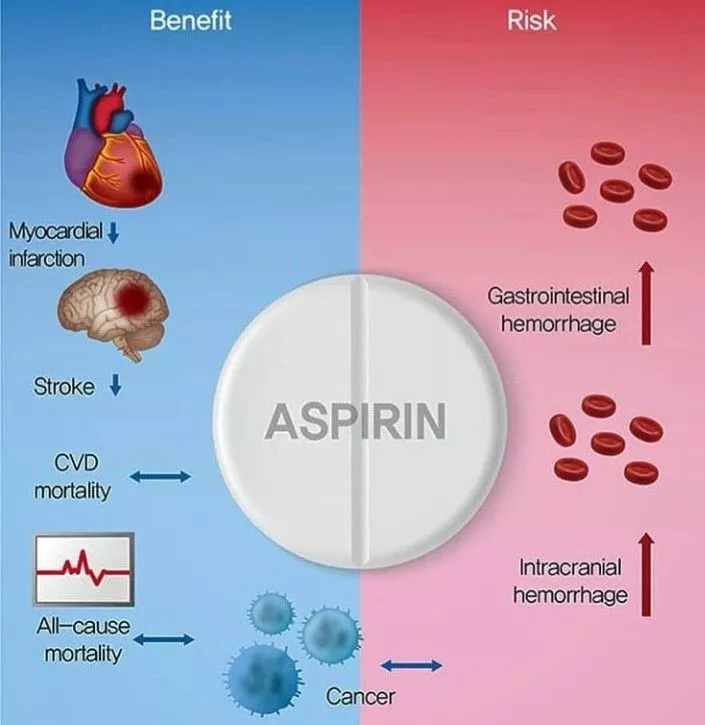
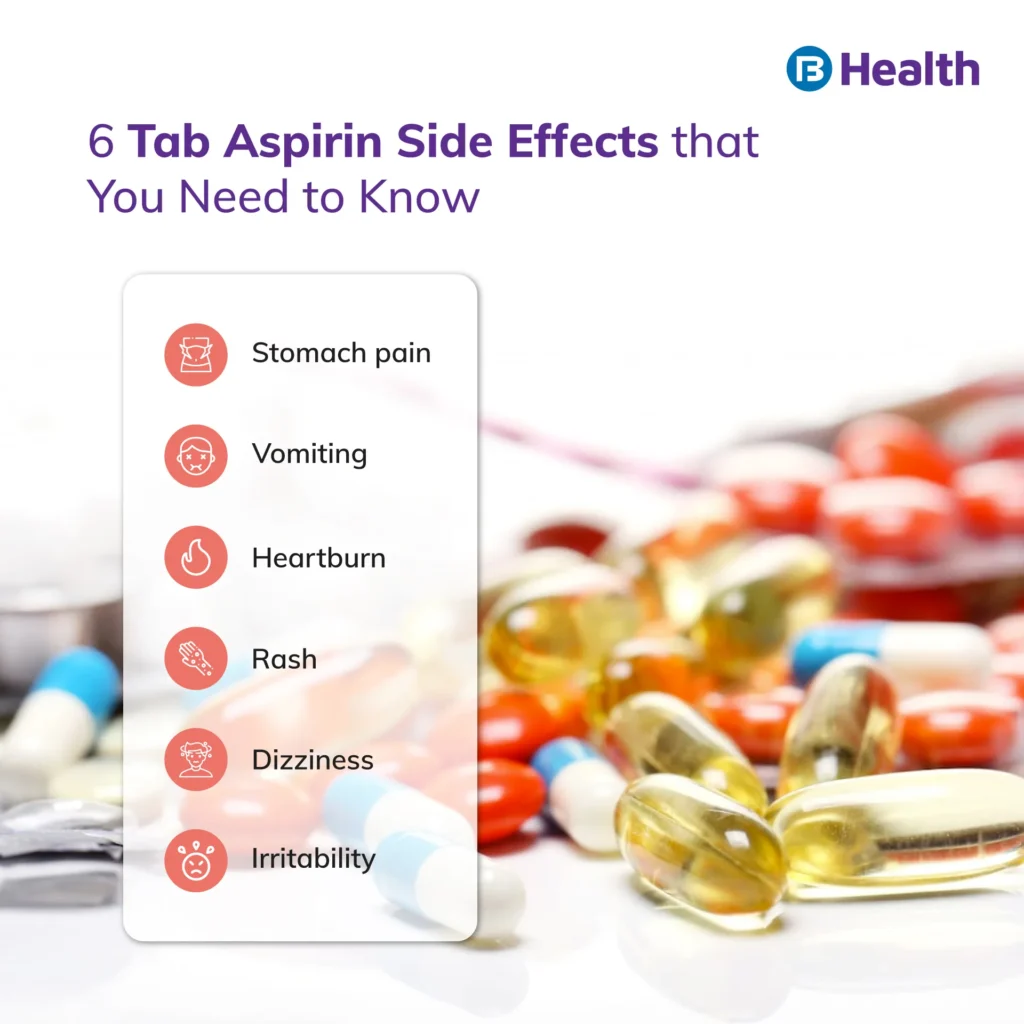
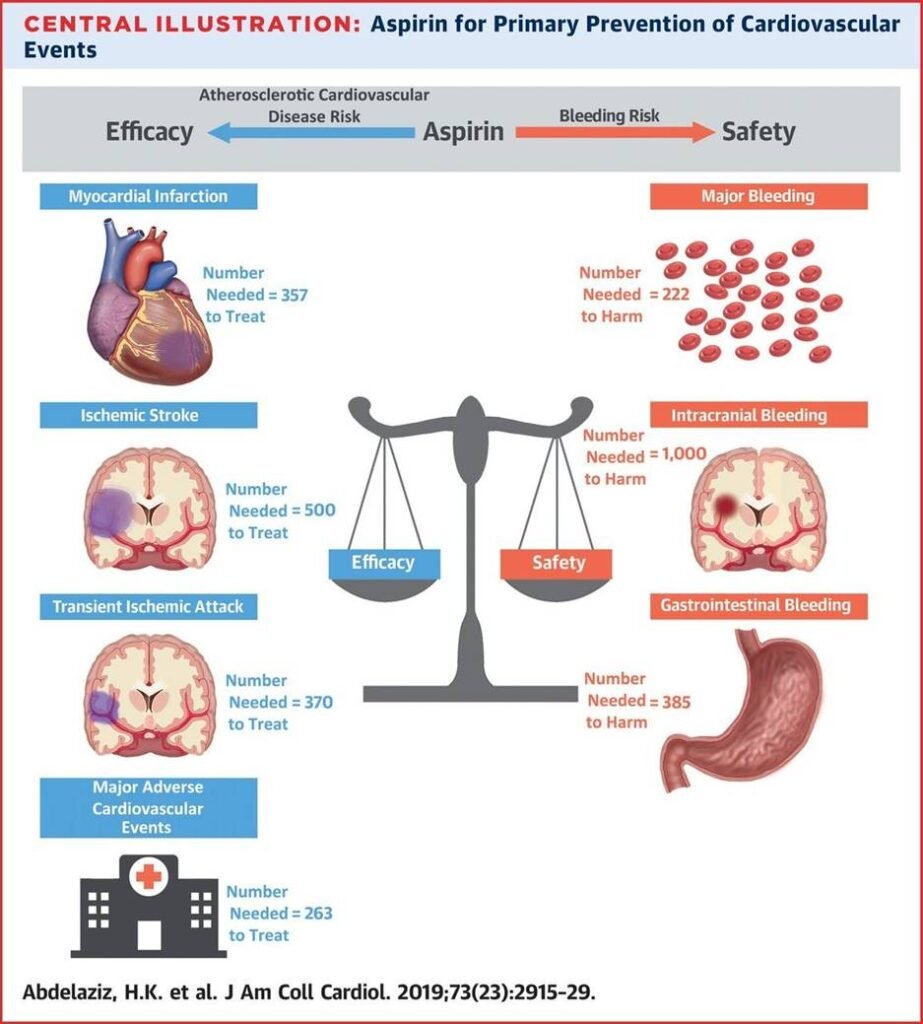
One of the biggest concerns with long-term aspirin use is gastrointestinal bleeding. Aspirin can weaken the protective mucus lining of the stomach, leaving the tissue vulnerable to acid irritation. Over time, such damage may lead to ulcers, stomach pain, or silent bleeding. (JAMA Network)
The second major risk involves the brain. While aspirin can reduce the risk of clot-related strokes, it may also increase the likelihood of a hemorrhagic stroke, where a blood vessel ruptures and bleeds into brain tissue. This is why blanket recommendations are no longer considered best practice. (American College of Cardiology)
The Silent Nature of the Damage
What makes this issue especially concerning is that the damage often develops quietly. Many people do not notice symptoms until the problem becomes serious. A stomach ulcer may go unnoticed for weeks. A brain bleed may present suddenly and severely.
Who might benefit from daily aspirin use?
This is where the conversation becomes much clearer.
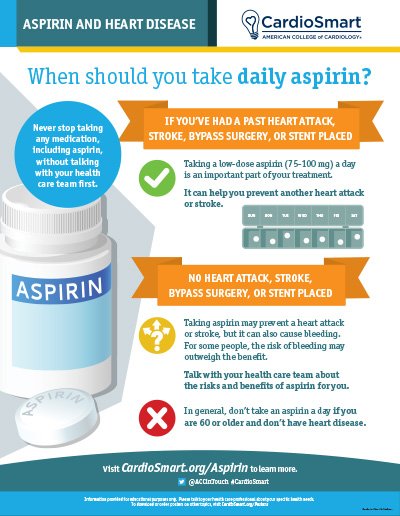
Daily aspirin use is generally recommended for people who have already had a heart attack, ischemic stroke, or coronary stent or are diagnosed with coronary artery disease. This approach is called secondary prevention, and the evidence here is strong. (American College of Cardiology)
In these cases, the benefit of preventing another major cardiovascular event often outweighs the bleeding risk.
However, for someone who has never had heart disease, the answer is much less automatic.
What the Latest Research Says
Modern guidelines have changed significantly over the last few years.
Experts now recommend against starting daily aspirin use in adults aged 60 years or older for primary prevention of cardiovascular disease. The reason is simple: the bleeding risk often outweighs the potential heart benefit. (AAFP)
For adults aged 40 to 59 with an elevated 10-year cardiovascular risk, the decision should be individualized. In other words, aspirin is no longer a universal recommendation.
Primary Prevention vs Secondary Prevention
This distinction is crucial.
- Primary prevention = preventing a first heart attack or stroke
- Secondary prevention = preventing another event after one has already happened
For secondary prevention, daily aspirin use often remains appropriate. For primary prevention, it must be discussed carefully with a doctor. (American College of Cardiology)
Natural Ways to Support Healthy Circulation
The good news is that many lifestyle habits offer powerful cardiovascular benefits without the same bleeding risks.


Keep Moving Every Day
Movement is one of the most underrated forms of heart support. Walking, stretching, and calf raises help circulation by encouraging blood flow through the legs and back toward the heart.
Even a five-minute walk every hour can make a noticeable difference in vascular health.
Choose Omega-3-Rich Foods
Fatty fish, walnuts, chia seeds, and flaxseeds support healthy blood flow and cell membrane flexibility. These foods help the blood move more efficiently without the risks associated with unnecessary medication.
Stay Consistently Hydrated
Hydration plays a quiet but important role in circulation. Drinking water steadily throughout the day supports normal blood volume and helps prevent sluggish flow.
Manage Blood Sugar Levels
High blood sugar can make blood vessels less healthy over time. Stable glucose levels support smoother circulation and reduce long-term cardiovascular strain.
Common Mistakes People Make
One common mistake is assuming daily aspirin use is automatically beneficial after a certain age. Age alone does not determine the decision.
Another mistake is starting aspirin because of visible veins or leg discomfort. Varicose veins and venous circulation issues often require an entirely different approach.
Never Start “Just in Case.”
Taking aspirin “just to be safe” may actually create unnecessary risk. This is why medical guidance is essential before making it a daily habit.
Final Thoughts
Aspirin is not a harmless wellness supplement.
It is a powerful medication with very specific uses.
For the right person, daily aspirin use can be lifesaving. For the wrong person, it may quietly increase the risk of dangerous complications.
The best approach is simple: focus first on movement, nutrition, hydration, and blood sugar control. Then, if aspirin is being considered, discuss it with a qualified healthcare professional based on your personal cardiovascular history. (AAFP)
Is daily aspirin use safe for everyone?
No, daily aspirin use is not safe for everyone. It may help people with a history of heart attack or stroke, but it can increase the risk of stomach bleeding and brain hemorrhage in healthy individuals. Always consult a doctor before starting it.
Does aspirin really thin the blood?
Aspirin does not actually thin the blood. Instead, it reduces the ability of platelets to stick together, which helps prevent clot formation. This is why daily aspirin use is effective in some heart conditions but also increases bleeding risk.
Who should take daily aspirin?
Daily aspirin use is usually recommended for people who have already had a heart attack, ischemic stroke, or have coronary artery disease. In these cases, it helps prevent future cardiovascular events under medical supervision.
Can daily aspirin use prevent a first heart attack?
In some high-risk individuals, aspirin may slightly reduce the risk of a first heart attack. However, for many healthy adults, the benefits are small and may be outweighed by bleeding risks. That is why doctors now evaluate risk before recommending daily aspirin use.
What are the side effects of taking aspirin every day?
Common side effects of daily aspirin use include stomach irritation, ulcers, internal bleeding, and increased risk of hemorrhagic stroke. These risks are higher in older adults and people with a history of ulcers.
Can I stop taking aspirin suddenly?
You should not stop daily aspirin use suddenly without medical advice if it was prescribed for heart disease or stroke prevention. In some cases, stopping abruptly may increase the risk of clot-related events.
Are there natural alternatives to aspirin?
Yes, lifestyle changes like regular exercise, eating omega-3 rich foods, staying hydrated, and managing blood sugar can support circulation naturally. These habits can reduce cardiovascular risk without the bleeding risks linked to daily aspirin use.