

Table of Contents
Introduction
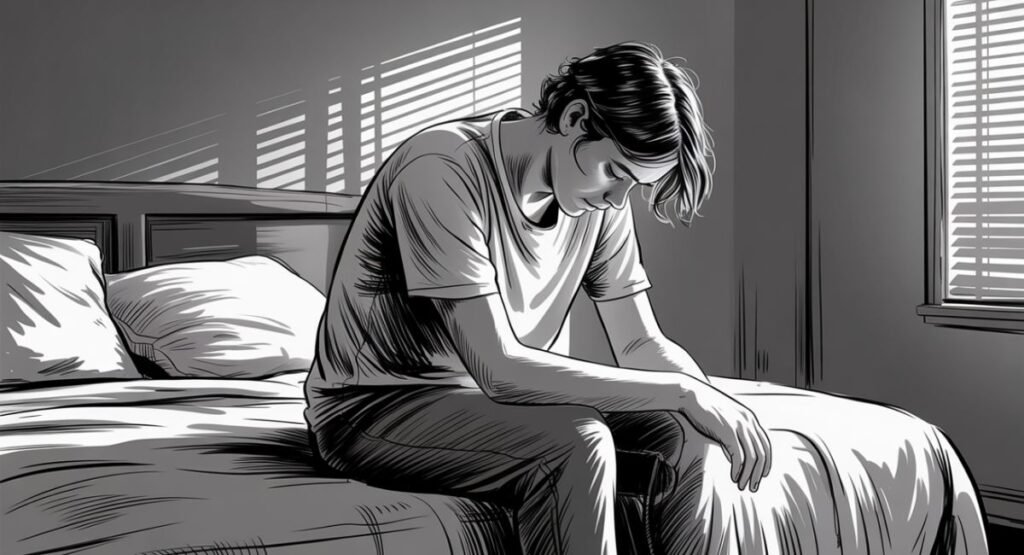
Depression (major depressive disorder) is more than just feeling sad or having a bad day. It is a serious mental health disorder that affects millions of people worldwide, impacting emotional well-being, thoughts, and daily functioning. Individuals may experience a persistent depressed mood, loss of interest in activities they once enjoyed, and even hopelessness or despair. This chronic condition can influence behavior, cognitive abilities, and relationships, making routine tasks challenging. Understanding the difference between temporary sadness and clinical depression is crucial, as early recognition and treatment, including psychotherapy or antidepressant medications, can dramatically improve recovery and quality of life.
What Is Depression? (Overview & Definition)

Depression (Major Depressive Disorder) is a serious mental health disorder marked by a persistent depressed mood, a deep low mood, and a lasting loss of interest in activities you once enjoyed. Unlike passing sadness, this condition disrupts emotional well-being, motivation, sleep, appetite, and decision-making. Clinicians classify it as a mood disorder rooted in altered mood regulation.
What makes clinical depression different from everyday sadness is duration and intensity. Feeling sad after a loss is human. Feeling trapped in hopelessness and despair for weeks or months is not. Depression reshapes perception, causing psychological distress, sadness, and apathy, and often cognitive impairment that interferes with work, relationships, and self-care.
Key Facts and How Common Depression Is
Depression affects millions across the United States and reflects a growing public health crisis. According to the World Health Organization (WHO), depression contributes significantly to disability worldwide, creating an enormous mental health burden. In the U.S., major depressive disorder remains a leading cause of missed workdays and reduced productivity.
Depression impacts all age groups. Women receive diagnoses more often, while men frequently remain untreated due to mental illness stigma. Older adults, teens, and even children face untreated depression, often misattributed to aging, hormones, or behavior. The social cost extends beyond individuals, affecting families, workplaces, and healthcare systems.
| Depression Statistics | United States |
| Lifetime prevalence | Nearly 1 in 5 adults |
| Most affected ages | 18–44 years |
| Gender difference | Higher diagnosis in women |
| Treatment gap | Many lack access to care |
Types of Depression You Should Know
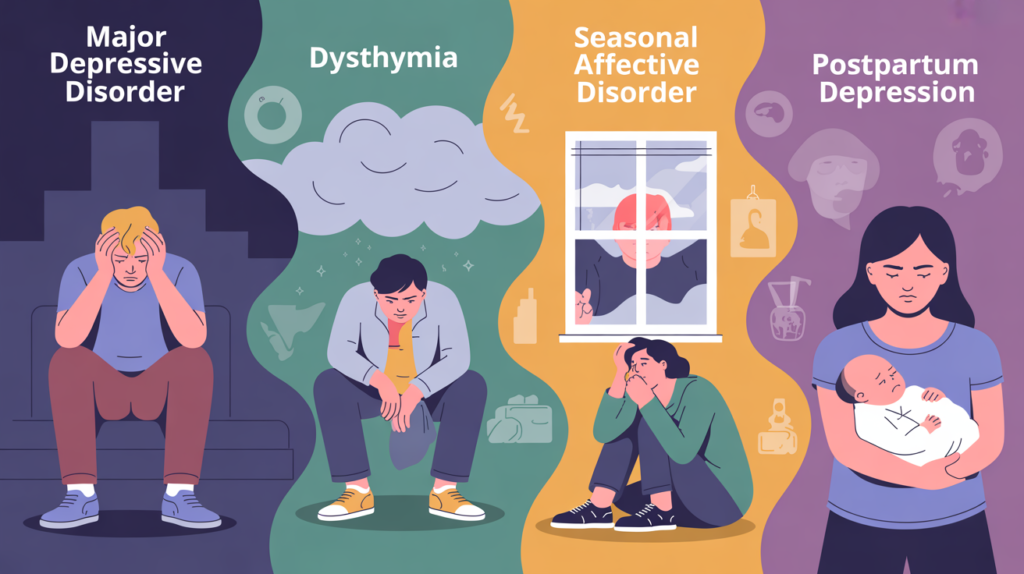
Major depressive disorder involves intense depressive symptoms lasting at least two weeks and often much longer. Another form, dysthymia, now called persistent depressive disorder, causes long-term chronic depression with milder yet exhausting symptoms. Both disrupt daily functioning in different ways.
Other forms include seasonal affective disorder, linked to reduced sunlight, and postpartum depression, which follows childbirth and affects emotional stability. Situational and atypical depression often follow life changes yet still qualify as a psychiatric condition. Depression may also coexist with bipolar disorder, requiring careful differential diagnosis.
Signs and Symptoms of Depression

Depression reveals itself emotionally through sadness, emptiness, and anhedonia, the inability to feel pleasure. Many people describe waking each day with heavy hopelessness, persistent despair, and an internal numbness that dulls joy and purpose. These emotional shifts often precede physical symptoms.
Physical and behavioral signs include fatigue, disrupted sleep, appetite changes, and noticeable behavioral changes like withdrawal or irritability. Cognitive signs involve slowed thinking, poor focus, and negative self-beliefs. In severe cases, suicidal thoughts emerge, signaling the need for immediate professional support.
Depression Symptoms by Age Group
In depression in children and adolescent depression, irritability often replaces sadness. Academic decline, isolation, and risk-taking behavior frequently mask emotional pain. Teens may struggle to articulate feelings, making symptoms harder to detect.
In adults, depression often appears alongside work pressure and family stress. In depression in older adults, symptoms overlap with illness or grief. Conditions like post-stroke depression and autistic burnout further complicate diagnosis. Many warning signs remain unnoticed due to stigma or misinterpretation.
Causes and Risk Factors of Depression
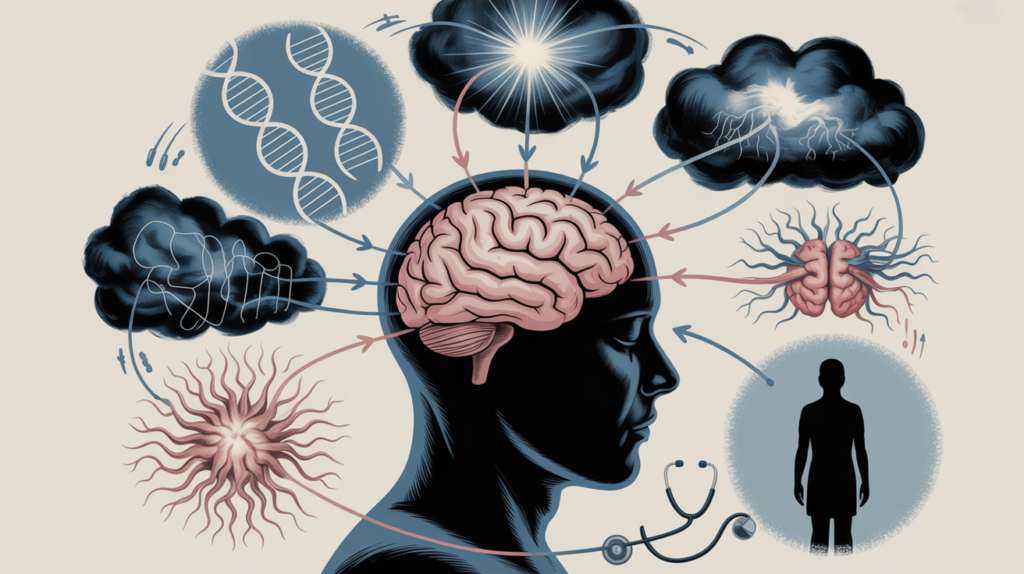
Depression has no single cause. Changes in brain chemistry, inherited genetics, and personality traits such as neuroticism increase vulnerability. Early childhood trauma and adverse childhood experiences shape emotional resilience, influencing lifelong mental health outcomes.
Environmental factors also play a major role. Life stressors, work-related stress, unemployment, and social isolation strain emotional balance. Medical contributors include inflammation, epigenetics, substance-induced depression, and side effects of medication. Depression reflects a deeply biopsychosocial model of illness.
How Depression Is Diagnosed

Diagnosis begins with clinical evaluation within psychiatry and psychology, focusing on symptom history and impact. Clinicians rely on established diagnostic criteria to confirm major depressive disorder and exclude overlapping conditions.
Standard tools like the Beck Depression Inventory (BDI) and the Patient Health Questionnaire (PHQ-9) measure symptom severity. Medical testing may follow to rule out hypothyroidism, diabetes, neurological disorders, or medication effects. Accurate diagnosis ensures appropriate treatment planning.
Treatment Options and Management Strategies

Effective treatment often combines psychotherapy, psychopharmacology, and lifestyle changes. Cognitive behavioral therapy (CBT) helps reframe negative thinking patterns rooted in the cognitive triad. Many people benefit from structured therapy that restores emotional balance.
Antidepressant medications support chemical regulation when symptoms are moderate to severe. Exercise, sleep routines, and social connection strengthen recovery. Emergency care becomes essential if suicidal thoughts intensify. Depression is treatable, though it requires patience and personalized care.
Prevention, Coping, and Living With Depression
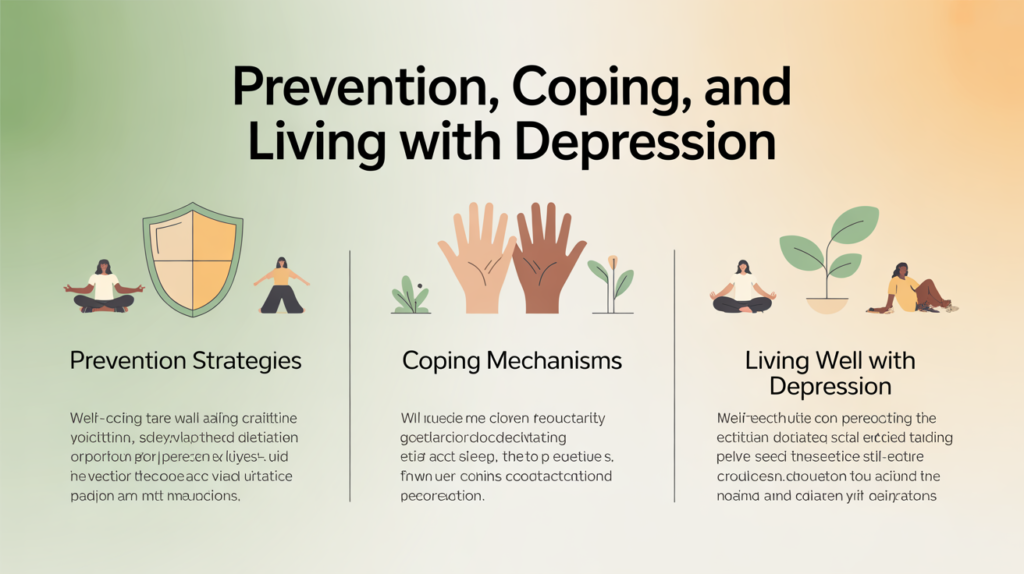
Depression prevention focuses on early support, stress reduction, and strengthening emotional awareness. Healthy routines, connection, and seeking help early reduce recurrence risk. Recovery is not linear, yet progress is possible.
Living with depression means learning self-compassion and resilience. Supporting someone with depression requires listening without judgment. Many people recover fully, while others manage symptoms long-term. With treatment, hope returns, even after the darkest depressive episode.
“Depression does not erase your worth. It only clouds your view of it.”
Final Thought
Depression (Major Depressive Disorder) is not a personal failure. It is a medically recognized condition shaped by biology, psychology, and environment. Understanding depression replaces fear with clarity. Seeking help replaces silence with healing. And recovery, though gradual, is always possible.
What is depression (major depressive disorder)?
Depression, also called major depressive disorder, is a serious mental health disorder marked by a depressed mood, loss of interest, hopelessness, and psychological distress. Unlike normal sadness, it affects thoughts, behavior, and emotional well-being and can last for weeks or months.
What are the common symptoms of depression?
Common depressive symptoms include persistent sadness, low mood, anhedonia (loss of pleasure), fatigue, cognitive impairment, changes in appetite or sleep, behavioral changes, and suicidal thoughts. Symptoms can vary by age and individual.
Who is at risk for depression?
People with a family history of major depressive disorder, childhood trauma, chronic illnesses, substance-induced depression, or prolonged life stressors are at higher risk. Both adults and children can develop depression, and women are more likely to experience it than men.
How is depression diagnosed?
Diagnosis is done through clinical evaluation using diagnostic criteria, questionnaires like the Beck Depression Inventory (BDI) or Patient Health Questionnaire (PHQ-9), and ruling out other conditions through differential diagnosis. Early recognition is key to effective treatment.