

Table of Contents
Introduction
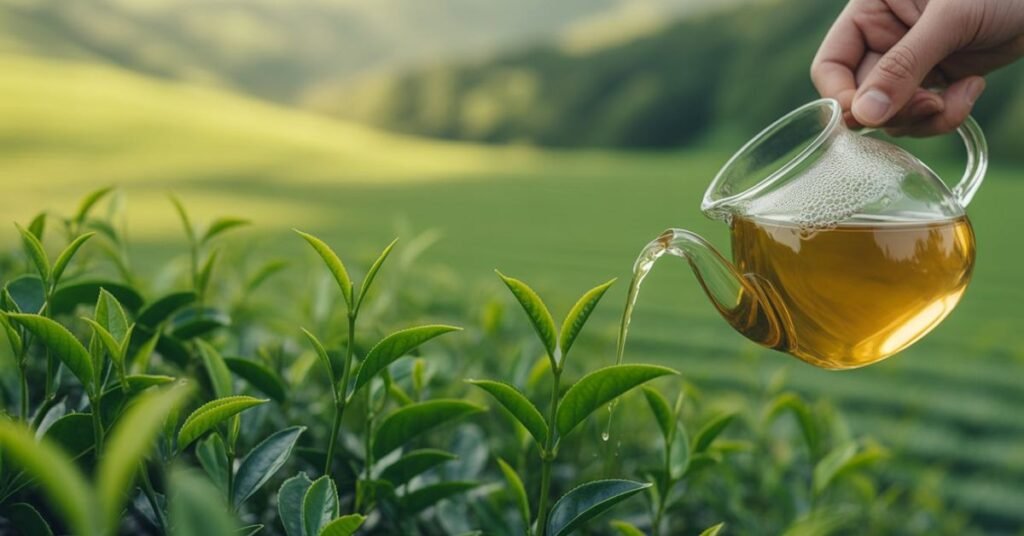
Green tea has become a wellness favorite in the USA because people want natural ways to improve their health without harsh chemicals. This ancient drink comes from Camellia sinensis, the same plant that gives us black tea and oolong tea. The difference lies in how the leaves are treated. Green tea is left unfermented which helps preserve powerful polyphenolic compounds that support your body from the inside out. You also get rich antioxidants like epigallocatechin gallate (EGCG) that protect your cells and promote overall vitality. Many people explore green tea for weight loss while others focus on heart health or better concentration. The health effects of green tea extend far beyond a simple cup which is why researchers keep investigating its benefits in clinical trials and randomized controlled studies.
Today green tea is used for everything from mood support to cardiovascular wellness. You will find it in green tea extract, green tea supplements, and even in an FDA-approved green tea extract ointment for certain skin conditions. The drink is popular in Asian populations and now appeals to health-conscious people across the USA. If you want to understand the real green tea benefits this guide takes you through everything including dosage, safety, liver injury from green tea extract and potential drug interactions. You will learn how to use it wisely and protect yourself from adverse effects linked with excessive intake or low-quality products.
What Is Green Tea? (Overview)
Green tea originates from East Asia where it has been used for centuries for its soothing nature. It is made from Camellia sinensis leaves that undergo minimal processing which helps maintain their catechins and natural aroma. You will find powerful elements like EGCG antioxidants and other polyphenols in tea that shape the health effects of this drink. These compounds give green tea its bright flavor and wellness potential.
The production varies across regions which is why you will see Japanese steamed teas like sencha or matcha compared with Chinese pan-fired varieties. Every type carries essential catechins in green tea, including epigallocatechin gallate (EGCG) which improves antioxidant activity. When you compare fermented vs unfermented tea you will see that oxidation lowers these beneficial molecules which is why green tea remains more potent than black tea or oolong tea.
How Green Tea Works in the Body
Green tea works through strong antioxidant activity supported by rich polyphenolic compounds. These antioxidants reduce oxidative stress which is linked with chronic diseases like coronary heart disease, cancer, and diabetes. When you drink green tea its catechins travel through your bloodstream where they neutralize harmful free radicals and support immune function especially in people with immune function gene variants or genetic susceptibility to inflammation.
It also shows interesting effects on metabolism because of moderate caffeine content. When combined with EGCG it helps increase thermogenesis which supports your body’s calorie-burning process. This mechanism makes green tea for weight loss popular among many people in the USA. The anti-inflammatory influence also affects blood pressure and cholesterol management because reduced inflammation helps your arteries stay flexible and healthy.
Science-Backed Health Benefits of Green Tea
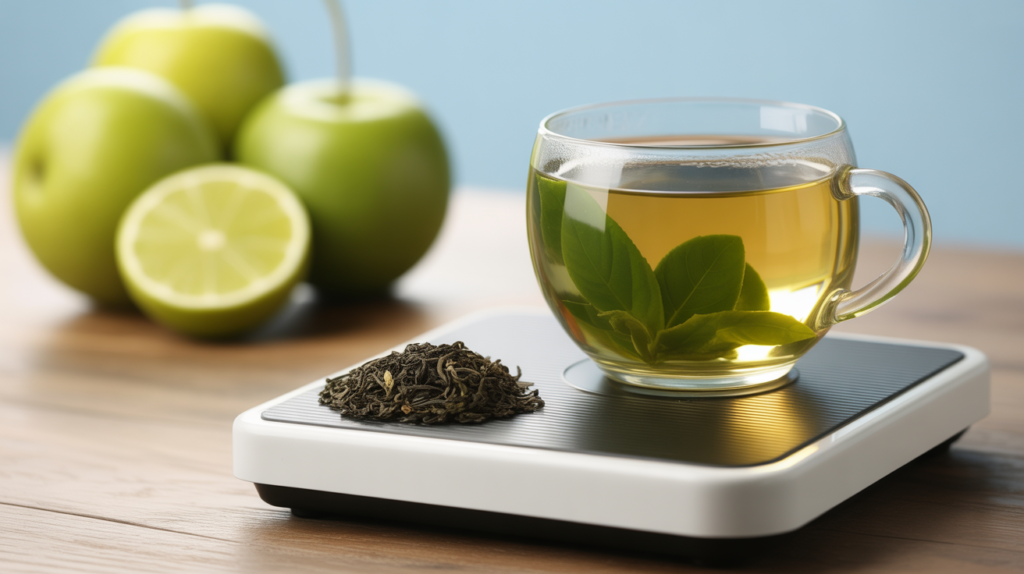
Green tea benefits have been studied for decades because researchers want to understand how its catechins and EGCG antioxidants improve long-term well-being. Many placebo-controlled studies and randomized controlled studies show that regular intake may influence various conditions including cancer prevention research and metabolic improvement linked with obesity and metabolism.
Studies also show a connection with green tea cholesterol reduction especially in balancing LDL and HDL levels. Many adults with cardiovascular risks turn to green tea for heart disease support because it can help reduce triglycerides and offer mild blood pressure improvements. These findings appear in numerous clinical trials which continue to explore the health effects of green tea in different age groups.
Brain and Cognitive Function
Green tea supports brain function because its catechins and mild caffeine in green tea stimulate alertness without the jittery feeling of strong coffee. Many people experience better focus and sustained attention. Antioxidants protect brain cells from early damage which may help reduce age-related cognitive decline in long-term observational research.
Heart Health and Stroke Prevention
Green tea influences coronary heart disease markers by improving LDL cholesterol lowering and increasing antioxidant protection inside blood vessels. American adults who drink it regularly often show better vascular function in observational data. This reduces stroke risk because oxidative stress falls and arterial flexibility improves through consistent daily intake.
Cancer-Related Research
Green tea cancer research looks at how EGCG antioxidants and polyphenolic compounds interfere with abnormal cell growth. Scientists study these effects in laboratory models and human groups. Although green tea is not a cure it may support your body’s natural defenses which is why it appears in many complementary health approaches.
Blood Sugar & Diabetes Support
Green tea supports glucose balance because its catechins improve insulin sensitivity in some people. Adults with prediabetes often use it as a natural approach to better metabolic health. Polyphenols may also reduce inflammation which is important because chronic inflammation worsens blood sugar control in many Americans today.
Fat-Burning & Weight Management

Green tea for weight loss remains popular because studies show it increases metabolic rate and enhances fat oxidation. This effect grows stronger when paired with movement or exercise. The combination of mild caffeine and concentrated epigallocatechin gallate (EGCG) helps your body burn stored fat more efficiently especially around the abdomen.
Anti-Stress & Mood Support
Adults who feel stressed often turn to green tea because it contains L-theanine which promotes calmness without sedation. This gentle soothing effect pairs well with natural antioxidants which help reduce the internal stress caused by inflammation. Many people find their mood steadier when drinking green tea consistently.
Bone, Oral, and Skin Health Benefits
Green tea may influence osteoporosis risk because catechins support bone density in older adults. It also helps oral health by reducing bacterial activity linked with cavities. Dermatologists explore the use of topical green tea extract because it delivers antioxidants directly to the skin especially in cases needing support beyond traditional creams.

How Much Green Tea Should You Drink Daily?
Most studies recommend two to four cups daily which offers strong antioxidant support without overwhelming your system. This range works for adults who tolerate moderate caffeine intake and want daily health benefits. People with sensitivity to caffeine in green tea should start with one cup and observe their reaction.
The best times to drink it include morning or early afternoon because it may improve focus and metabolism during active hours. Avoid late-night consumption to protect your sleep because green tea still contains natural caffeine. Pregnant adults should limit intake because pregnancy and caffeine must be handled with care to avoid overstimulation.
How to Use and Enjoy Green Tea
Green tea becomes more enjoyable when you focus on high-quality leaves and traditional tea preparation. Fresh water and ideal water temperature protect delicate catechins from damage. Most USA drinkers prefer slightly cooler water to avoid bitterness which helps preserve the health effects of green tea.
You can also experiment with supplements like green tea extract capsules which offer concentrated polyphenols in tea. Many adults use them for stronger metabolic results although dietary supplement safety must be considered. Herbal product regulation USA rules ensure labels remain accurate though quality varies across brands.
Brewing Techniques
Every brewing method influences flavor and antioxidant levels. Steaming, steeping time, and water temperature determine how much epigallocatechin gallate (EGCG) you extract. A shorter infusion keeps the tea mild while a longer session increases potency. Consistent technique ensures better results each time you brew at home.
Recipes & Ways to Consume
Green tea appears in smoothies, lattes, matcha bowls, and cold infusions. People who dislike the herbal taste often choose green tea supplements or green tea extract because they offer the same helpful elements in capsule form. These options provide flexibility although they must be used mindfully to avoid liver toxicity.
Choosing High-Quality Tea
When choosing tea look for organic leaves harvested from reputable farms. Loose leaf options often carry higher amounts of antioxidants than bagged versions. Matcha powders offer concentrated nutrition because you consume the whole leaf which increases exposure to polyphenols in tea and natural antioxidants.
Safety, Side Effects, and Precautions
Most adults tolerate green tea well although green tea side effects appear when intake becomes excessive. Some people report digestive discomfort or sleep disruption. A more serious concern is liver toxicity linked with excessive use of concentrated green tea extract supplements. These events remain rare but appear in people with genetic susceptibility or those using multiple hepatotoxic drugs.
Pregnant and breastfeeding adults must limit intake because pregnancy and caffeine need strict monitoring. Breastfeeding safety improves when doses remain low. Many public health guidelines advise adults to track daily consumption to avoid adverse effects. Always consult a clinician if you experience discomfort or unusual symptoms.
Drug Interactions to Be Aware Of
Green tea interacts with various medications including beta-blockers and several antidiabetic medications. The nadolol and green tea interaction reduces drug absorption which affects blood pressure control in some individuals. The same applies to statins like atorvastatin especially in high-dose therapy.
Other interactions include anticoagulants, cytochrome P450 interactions and raloxifene which influence how your liver breaks down medications. Doctors warn people who use multiple medications to track potential green tea drug interactions to protect themselves from unexpected reactions.
Who Should Avoid or Limit Green Tea?
Children should limit intake because green tea contains natural caffeine. Pregnant women and people with anemia must also be cautious because compounds in tea can interfere with iron absorption. Adults with cardiovascular issues or GERD may need to reduce intake because acidity or caffeine can worsen symptoms.
People taking certain medications like blood thinners or stimulants should confirm safety with a doctor before drinking large amounts. Anyone with a history of hepatotoxicity or liver disease must limit concentrated green tea supplements because liver injury from green tea extract appears in rare clinical reports.
Green Tea vs Green Tea Extract
Green tea extract is more concentrated than brewed tea which makes effects stronger and risks higher. Many weight loss herbal supplements use extract because it delivers more catechins per serving. This works for people who want faster results but it increases the risk of adverse effects.
Brewed tea remains safer for long-term use because it contains gentle levels of polyphenolic compounds. When choosing between both options consider your sensitivity to caffeine and your overall health goals. Extract works fast but tea offers long-term wellness with fewer safety concerns.
Final Thoughts
Green tea offers powerful antioxidant support because of its unique catechin structure and natural EGCG levels. It influences metabolism heart health and mood while offering gentle energy throughout the day. This drink is safe for most adults when consumed in recommended amounts which range between two and four cups. It becomes unsafe only when individuals use high-dose green tea extract supplements without professional guidance. When used wisely green tea supports long-term wellness and remains one of the most accessible herbal remedies in the USA today.
FAQs
Does green tea reduce belly fat?
Green tea for weight loss works best with regular movement and mindful eating. The combination of caffeine and EGCG antioxidants improves fat oxidation especially around the abdomen. Results vary between individuals because metabolism differs which is why some people see faster changes than others.
What happens if I drink it every day?
Daily drinkers often experience smoother digestion better focus and calm energy. Long-term intake improves antioxidant protection and supports cholesterol management especially in adults with LDL issues. Consistent use delivers stronger wellness outcomes in most clinical observations because antioxidants build up gradually.
Is matcha better than regular green tea?
Matcha provides more catechins because you consume the entire leaf. This increases the concentration of EGCG antioxidants and caffeine content. People looking for stronger metabolic or cognitive support often choose matcha while those sensitive to caffeine prefer regular green tea instead.
How long does it take to see benefits?
Most people see early improvements in two to four weeks. Antioxidant effects grow stronger after consistent daily intake because the body absorbs catechins slowly. Cardiovascular benefits like LDL reduction may take several months based on clinical trials and public health guidelines.