

Table of Contents
Sugar has a subtle way of infiltrating your daily routine.
It hides in coffee, sauces, cereals, flavored yogurt, bread, and even foods that don’t taste sweet. The real problem is that eating too much sugar often shows up through subtle body signals long before serious health issues appear.
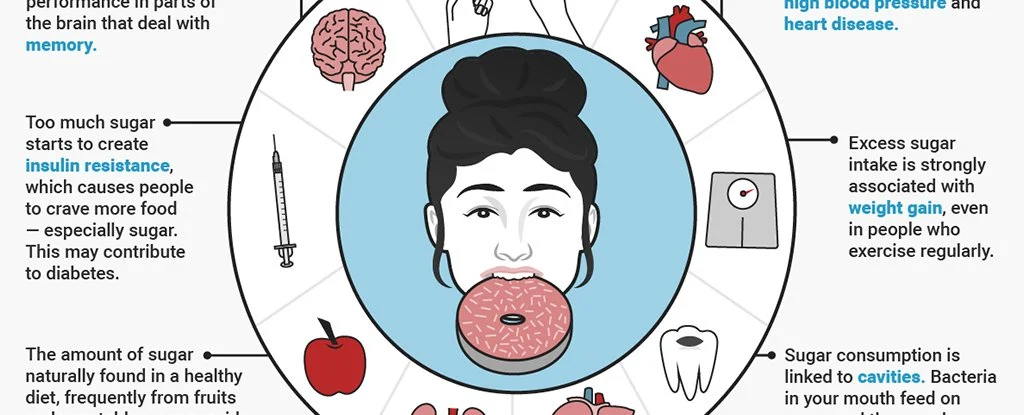
According to recent Harvard Health guidance, excess added sugar is strongly linked with weight gain, fatty liver, inflammation, blood pressure issues, and increased heart disease risk.
If your body has been trying to tell you something, these signs may be the clue.

1. You Feel Hungry All the Time
One of the earliest signs of eating too much sugar is constant hunger.
Sugary foods cause rapid blood sugar spikes followed by sudden crashes. When this phenomenon happens, your body quickly asks for more fuel, even if you just ate. This creates a frustrating cycle of cravings, snacking, and overeating.
Foods like donuts, soda, pastries, and sweet cereals often leave you hungry again within an hour because they lack fiber, protein, and satiety-supporting nutrients.

2. Your Energy Crashes Midday
Ever feel wonderful after a sweet breakfast and completely exhausted by noon?
That classic energy slump often points toward eating too much sugar.
Simple carbohydrates enter the bloodstream quickly, creating a short burst of energy. However, once insulin levels rise and blood sugar levels drop, fatigue sets in abruptly. Harvard notes that sugary drinks are especially problematic because liquid calories are less filling.
Your body isn’t actually lacking energy.
It’s riding a metabolic roller coaster.
3. You Crave Sweets After Every Meal
Many people are surprised by this.
If you believe every meal needs dessert, your taste buds may be adapting to excessive sugar intake.
Over time, eating too much sugar can train your brain to expect sweet stimulation after food. This strengthens reward pathways and makes natural foods like fruit seem less satisfying.
Think of it like turning up the volume too high.
Eventually, normal sweetness no longer feels enough.
4. You’re Gaining Weight Around the Belly
A growing waistline is one of the most common warning signs.
Excess sugar, especially from sweetened drinks and refined snacks, often converts into stored fat. Much of this fat tends
to accumulate around the abdomen and liver.
Harvard emphasizes that excessive added sugar can lead to fatty liver disease, which is closely associated with heart disease and insulin resistance.
This condition is where eating too much sugar starts affecting long-term health.

5. You Feel Tired Even After Sleeping
Sleep alone does not always fix metabolic fatigue.
When your cells struggle to use glucose efficiently, you may wake up exhausted, feel sluggish all day, and experience mental fog.
This often happens when frequent sugar spikes reduce insulin sensitivity over time.
Your body has fuel.
It just isn’t working well.
6. Your Skin Breaks Out More Often
Sugar and skin often have a stronger connection than people realize.
High sugar intake may increase inflammation and trigger hormonal fluctuations that worsen acne, oil production, and breakouts.
For many people, reducing sugar noticeably improves skin clarity within weeks.
This is especially true when eating too much sugar comes from soda, chocolate snacks, sweet coffee drinks, and bakery items.
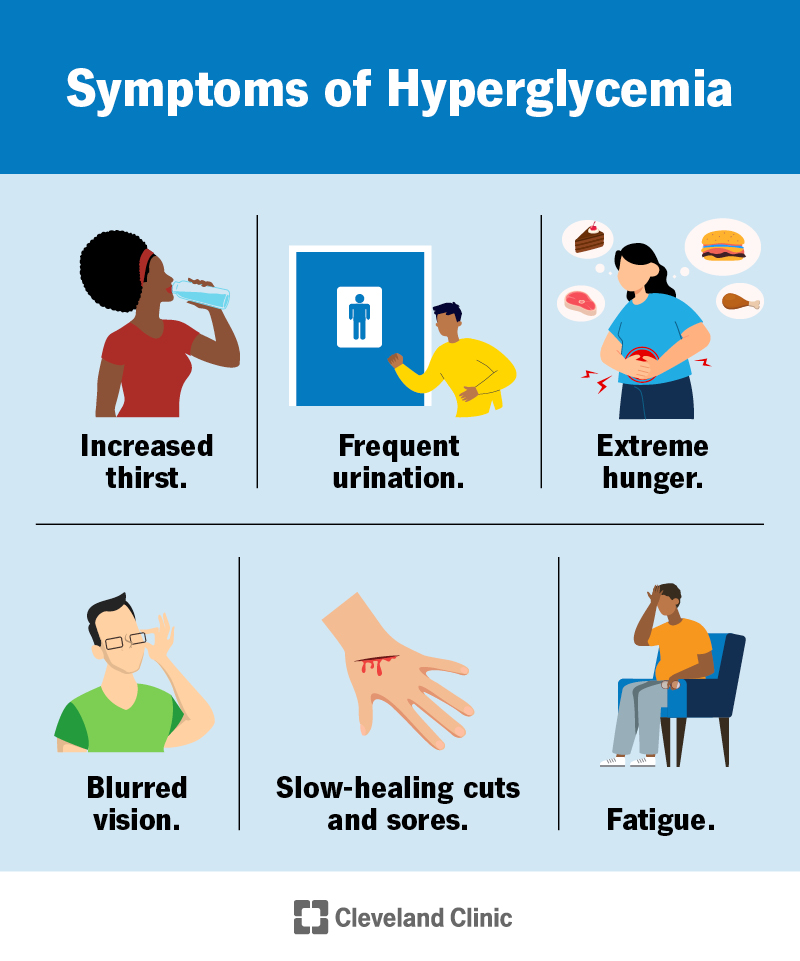
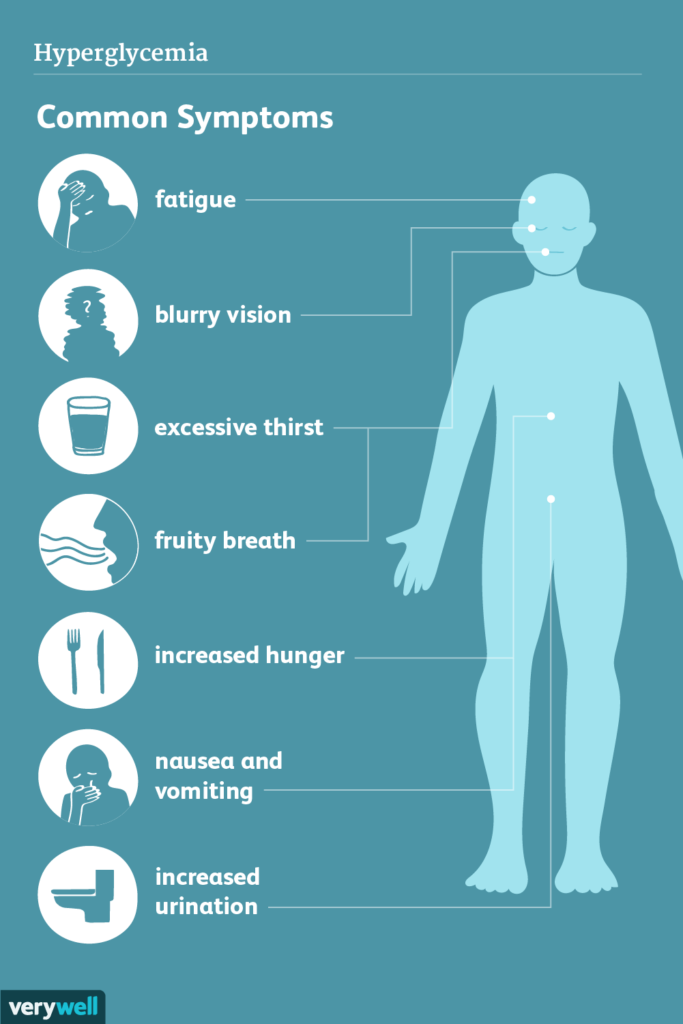
7. You’re Always Thirsty
Persistent thirst can be a sign that your blood sugar is running high.
When glucose rises, your body pulls extra water to help flush excess sugar through urine. This often leads to frequent urination, dry mouth, and increased thirst.
If this condition happens regularly, it should not be ignored.
Occasionally it can signal prediabetes or hyperglycemia.
8. You Get Frequent Headaches
Sudden sugar highs and lows can trigger headaches.
The rapid fluctuation in blood glucose affects circulation, hydration, and brain fuel delivery. Many people notice headaches after sugary snacks, energy drinks, or long gaps between meals following sweet foods.
This is another classic sign of eating too much sugar.
9. Your Mood Swings More Than Usual
Sugar affects more than your body.
It affects your mind too.
Blood sugar instability may lead to irritability, anxious feelings, brain fog, and sudden mood drops.
One moment you feel energized.
Next, you feel drained and unusually emotional.
These emotional swings often mirror the spike-and-crash pattern caused by refined carbohydrates and added sugars.

10. Cuts and Wounds Heal Slowly
Your body needs balanced blood sugar for proper tissue repair.
Excess sugar can increase inflammation and interfere with circulation, making wounds, acne marks, and cuts heal more slowly.
This condition is one of the lesser-known signs of eating too much sugar, but it can be an important one.
11. You’re Getting More Belly Fat and Liver Issues
Sugar, particularly fructose, places a heavy load on the liver.
When consumed in excess, it may increase fat production in the liver and contribute to non-alcoholic fatty liver disease.
This becomes especially relevant with sugary beverages, fruit juices, and processed snacks.
12. You Depend on Sugar for Quick Energy
If every afternoon requires candy, cookies, or sweet tea, your body may be relying on rapid glucose fixes instead of stable energy.
That dependence is often the strongest sign of eating too much sugar.
A well-balanced meal with protein, healthy fats, and fiber should keep you steady for hours.
If it doesn’t, sugar may be driving the cycle.

Why Balance Matters More Than Fear
Sugar itself is not the villain.
Natural sugars found in fruits, vegetables, and dairy come packaged with fiber, vitamins, and antioxidants.
The real issue is excessive added sugar.
Harvard recommends keeping added sugar as low as possible and being especially mindful of sweetened drinks and processed foods. (Harvard Health)
The goal is not perfection.
It’s awareness.
Final Thoughts
- Your body whispers before it screams.
- Cravings, fatigue, skin issues, thirst, mood swings, and belly fat may all be early signals of eating too much sugar.
- Once you recognize the signs, small daily changes can make a huge difference.
- Swap soda for water.
- Choose whole foods.
- Move your body.
- Sleep better.
- Those simple habits can completely change how your body handles sugar.
1. How do I know if I am eating too much sugar?
Common signs include constant cravings, fatigue, weight gain, acne, and mood swings. These symptoms often indicate blood sugar imbalance caused by excessive sugar intake.
2. What happens when you eat too much sugar daily?
Daily high sugar intake can lead to insulin resistance, fatty liver, inflammation, and increased risk of heart disease and diabetes over time.
3. Is natural sugar worse like added sugar?
No. Natural sugars in fruits and dairy come with fiber and nutrients, while added sugars provide empty calories and can harm metabolic health.
4. How much sugar is too much per day?
According to health experts, added sugar should be limited to about 25–36 grams per day depending on gender and lifestyle.
5. Can cutting sugar improve energy levels?
Yes. Reducing sugar helps stabilize blood sugar levels, leading to more consistent energy and fewer crashes throughout the day.